The Person Who Made $69 Million with NFTs Four Years Ago Is Still Making Money

 Prefer us on Google



beeple, the man who sold a single NFT for a record-breaking $69 million, has always been seen as a symbol of the NFT golden age that once was.
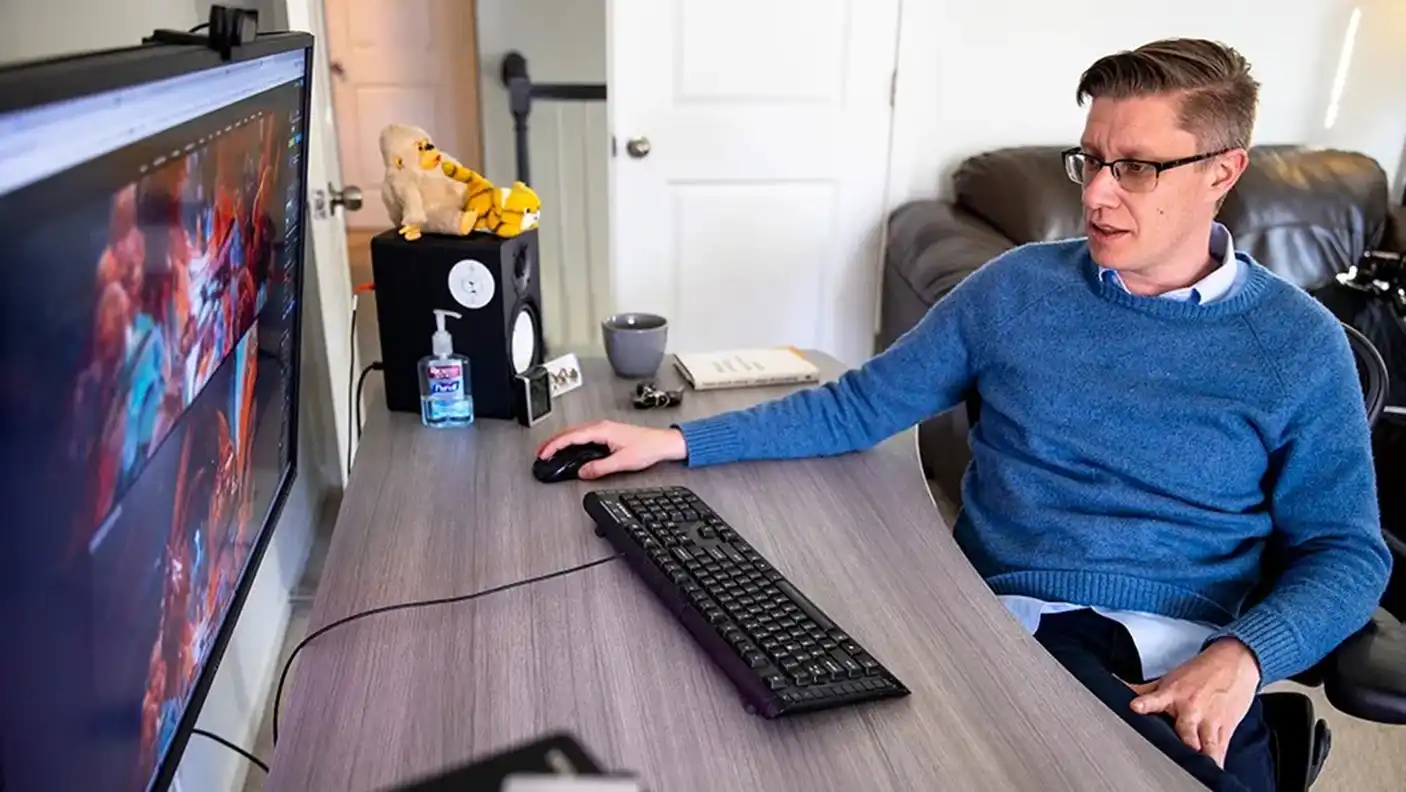
Despite the fading glory of NFTs, beeple and his team have remained active in the NFT community. At this year's Basel Art Fair, he once again brought a "Golden Dog" — Regular Animals — to the currently lackluster NFT market.
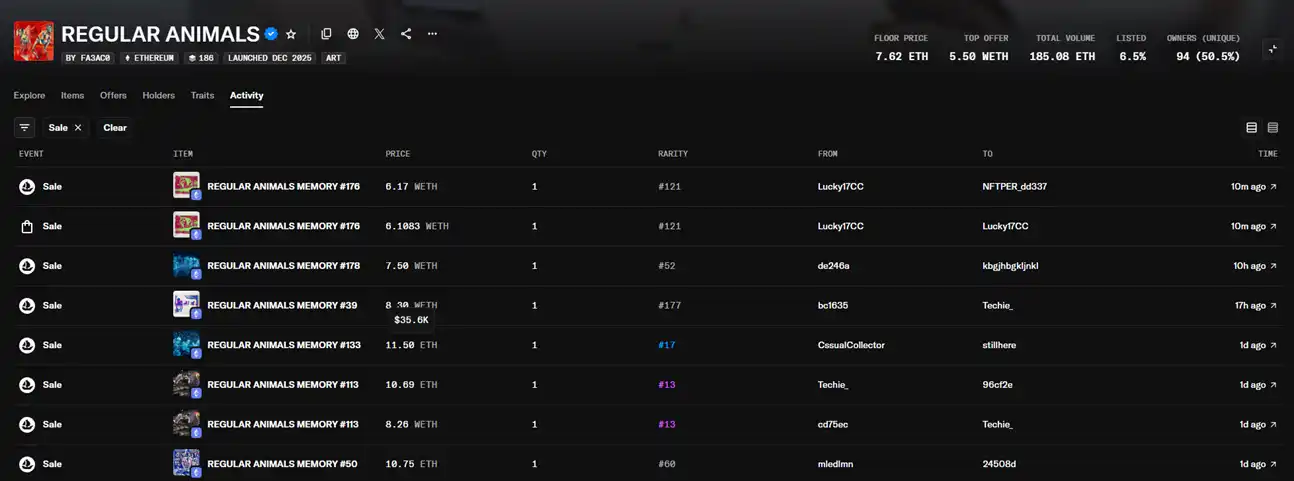
Yesterday, multiple pieces of Regular Animals were sold on OpenSea for over 10 ETH (around $35,000) each, even though this artwork was originally given out for free at the Basel Art Fair, with a total of 256 pieces distributed. By this calculation, beeple gave away NFTs worth millions of dollars at the Basel Art Fair.
For the Basel Art Fair project, beeple and his team presented Regular Animals, a collection of "regular animals." These are a bunch of robotic dogs, as shown in the image below, with somewhat eerie human faces resembling well-known personalities such as Musk, Andy Warhol, Zuckerberg, Picasso, and even beeple himself.
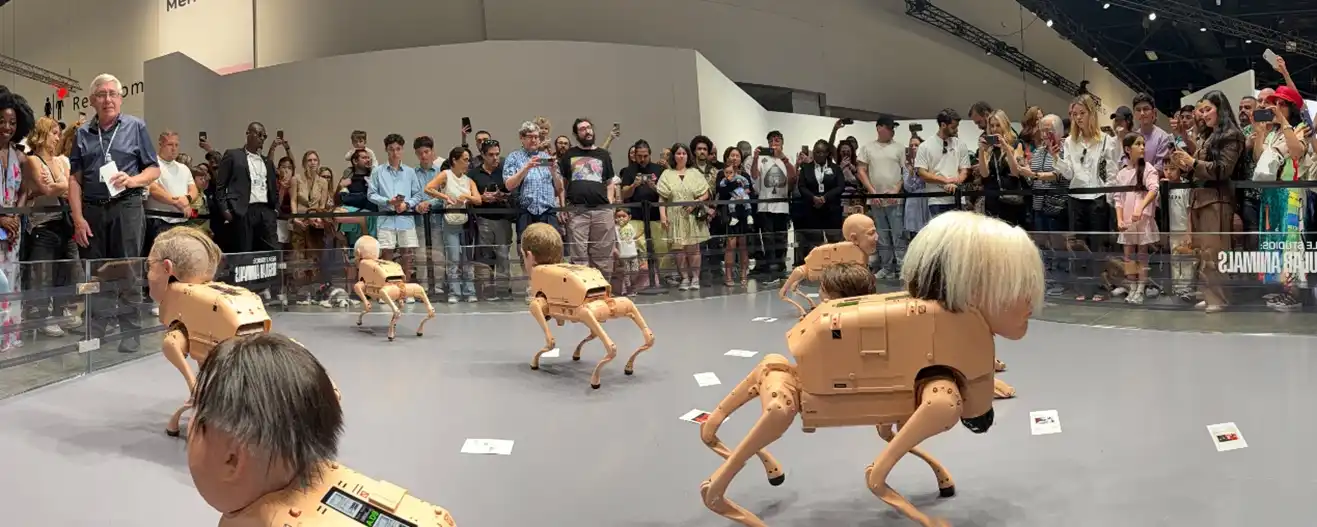
However, the visual effect of these somewhat eerie robotic dogs is not the only feature; these robotic dogs observe their surroundings through cameras in their heads and use a continuously evolving visual algorithmic logic to create art.
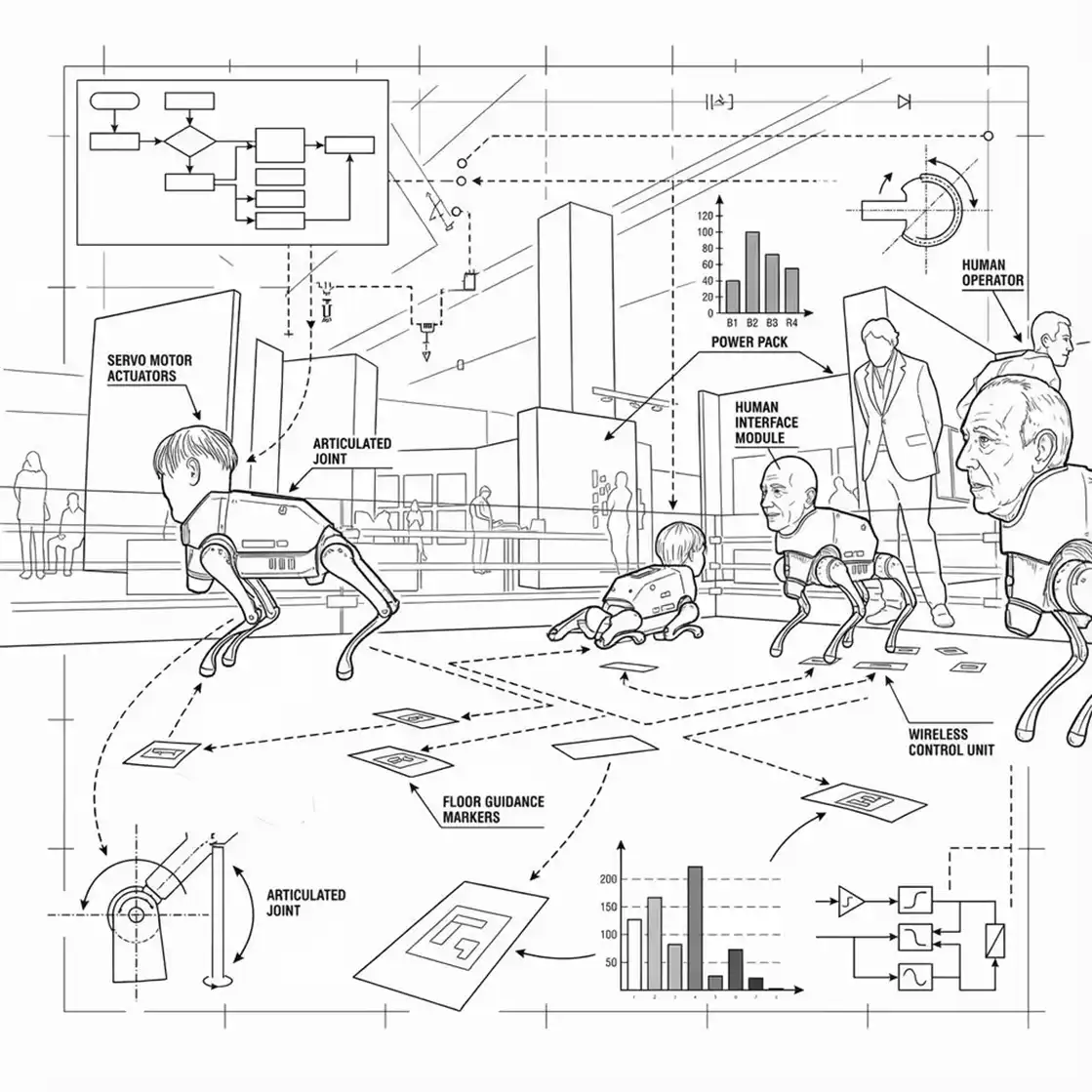
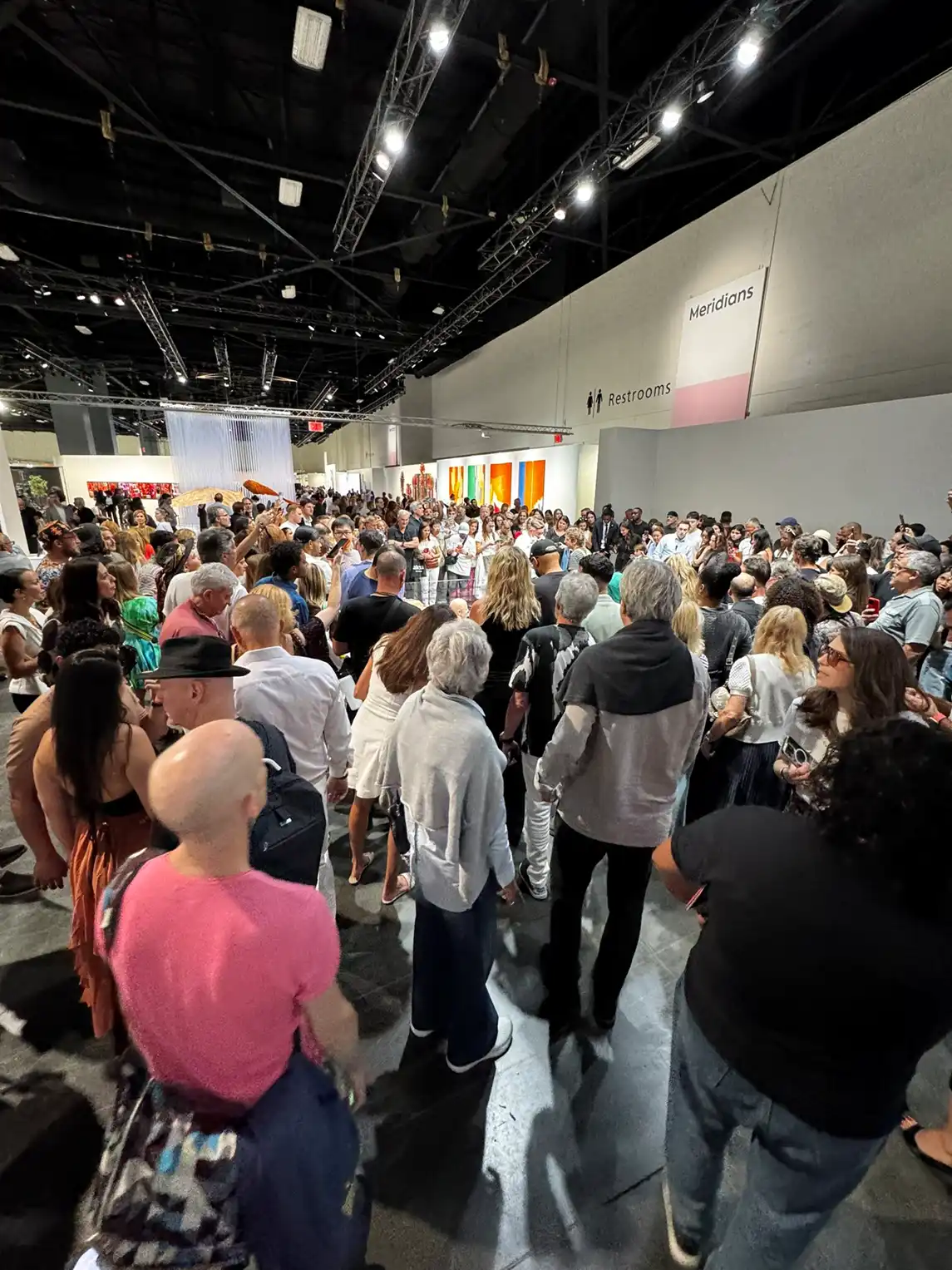
The selection of these celebrity personas embodied by the robotic dogs is not arbitrary. These personalities were chosen because they have influenced the way humans perceive the world, whether through algorithms, art, or politics. As humans, we view the world through these perspectives, and so do these robotic dogs. At the Basel Art Fair, these robotic dogs and humans observe each other, and each moment of observation becomes an artwork created by these robotic dogs, which serve as their autobiographies.
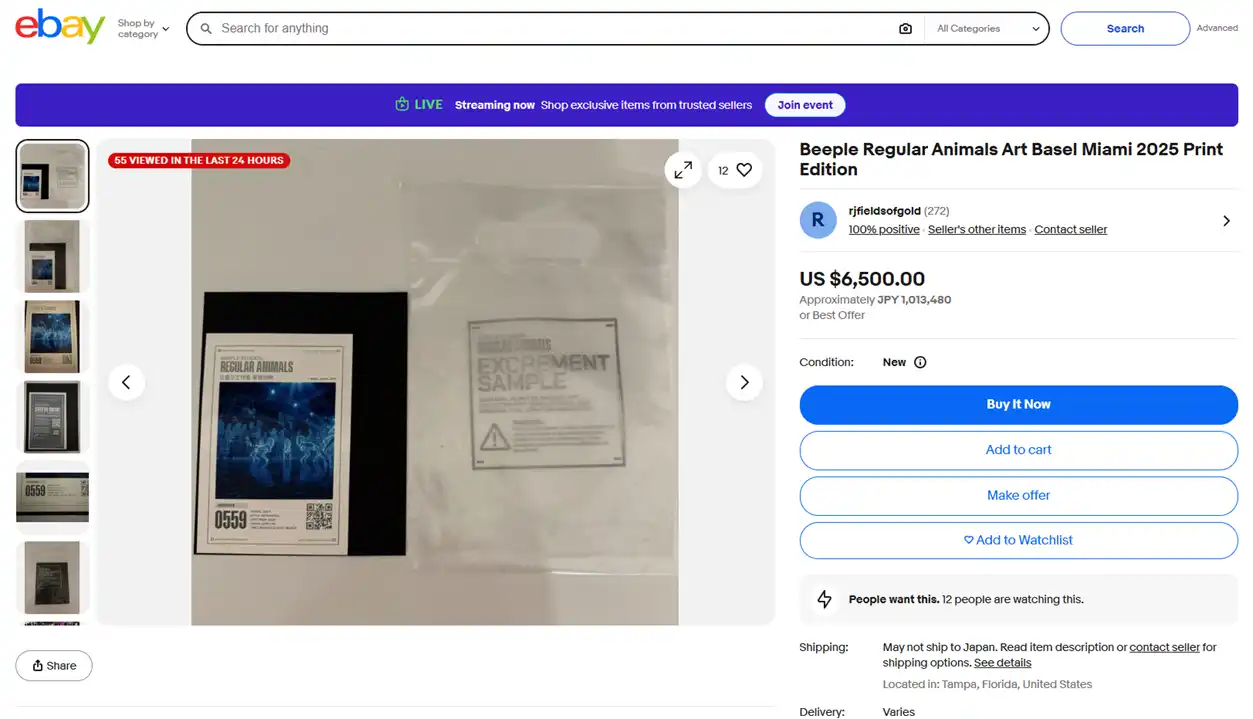
Interestingly, Regular Animas also has a physical series, totaling 1024 pieces. On eBay, someone has already listed it for a fixed price of $6500. The market pricing suggests that the NFT is far more valuable than the physical artwork, reminiscent of Damien Hirst's "The Currency" series from years ago, forcing owners to choose between physical and NFT.
Before achieving great success in the NFT space, beeple had been creating art every day since 2007, with none selling for over $100. After gaining fame and fortune, beeple did not splurge like some artists or crypto project founders. Instead, he acquired a roughly 460-square-meter studio/gallery, assembled a team of dozens of 3D artists, engineers, and researchers (including a former Boeing engineer), invited Carolyn Christov-Bakargiev, former director of the Castello di Rivoli contemporary art museum, as an advisor, continuously exhibited his work at art shows around the world, and created new art pieces.
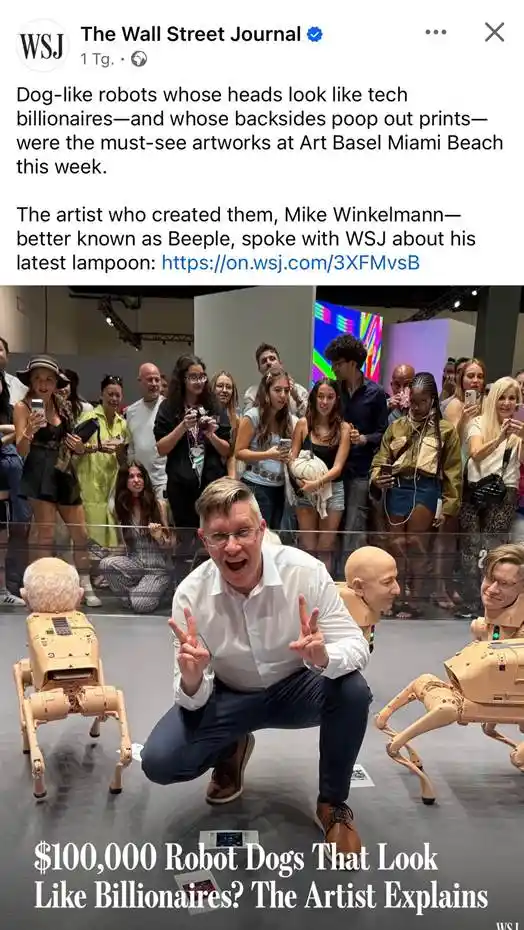
Beeple's recent exhibition featuring robotic dogs has garnered attention not only in the crypto community due to its prices but also received coverage from traditional media outlets like the WSJ.
Disclaimer: This content is provided for general branding and informational purposes only and doesn't constitute financial, investment, legal, or tax advice. Any events, rewards, online events, or related information mentioned herein should not be considered a recommendation, solicitation, or invitation to purchase, sell, trade, or otherwise deal in any crypto assets or to use any services. Crypto assets are highly volatile and may result in loss. WEEX services and online events may not be available in all regions and are subject to applicable laws, regulations, and eligibility requirements. You are responsible for ensuring that your use of WEEX services complies with local laws and for carefully assessing the risks before participating in any crypto-related activities.
You may also like
Fear Surrounding Solana Reaches Peak in 2026, According to Santiment
a16z Co-founder Marc Andreessen Joins Federal Reserve AI Working Group
Hotcoin Research | Alphabet (GOOGL) Tokenized Stock Project Report
The European Parliament Extends 'Chat Control' Until 2028
Nine Strategies of Quantitative Trading: Which Ones Can Ordinary People and AI Easily Handle?
What is OTC trading in crypto? How whales buy without moving the price

Japan's Finance Minister Satsuki Katayama: Japan's Cryptocurrency ETF Should Consider Lifting Restrictions

Standard Chartered Reaffirms: Bitcoin Will Surpass $100,000 by the End of 2026! Now is the Perfect Buying Opportunity
Bank of America: Keep an Eye on the Japanese Market, It Will Be the "Canary in the Coal Mine" for a Global Decline
AscendEX Exchange Announces Shutdown! Concerns Over Insufficient Hot Wallet Assets Rise, Users Panic Withdrawals
Computing Capital Markets
IPCA Below Expectations in June: What It Means for the Dollar and Interest Rates
SemiAnalysis Latest Interview: Storage Has Room to Double, Be Cautious with CPO in the Short to Medium Term, CPU is Just a Supporting Role

FDV vs market cap: The two numbers that decide if a token is cheap
Is Ethereum Really a 'World Computer'?
An Investor's 17 Judgments on Embodiment, Models, and Computing Power
The Intellectual Arbitrage Trap of Bittensor: Capital Only Speculates on Tokens, Quality AI Goes Unnoticed
Litecoin Wallet Addresses Grow by Over 22 Million in Just 6 Months
Shiba Inu: After a Pause, Eternity and Metaverse Projects Prepare for Their Return

What are wallet drainers? Inside the approval-phishing industry
The Era of AI Trading Has Arrived: LTP Launches the World's First AI Agent Live Quantitative Trading Championship

Can Changing Chains Really Change the Game?
Revolut integrates its crypto exchange with AI assistants as agentic trading spreads
DOJ charges inmate over alleged $290K forfeited crypto theft
June Trading Volume Doubles: x402 Ecosystem Continues to Expand, Content Monetization Narrative Faces Key Test
Walsh's 'Unified Front': Aiming for Rate Cuts?
Ethereum vs Solana Whitepaper Comparison (2026)
French Tech: AI and Quantum on the Rise, Crypto Absent
Home Robot NEO Grows "Dexterous Hands": How Do Hands Become the API to the Physical World?

What is SCEX? The Cryptocurrency Exchange for Vietnam's Market by Sacombank
Fear Surrounding Solana Reaches Peak in 2026, According to Santiment
a16z Co-founder Marc Andreessen Joins Federal Reserve AI Working Group
Hotcoin Research | Alphabet (GOOGL) Tokenized Stock Project Report
The European Parliament Extends 'Chat Control' Until 2028
Nine Strategies of Quantitative Trading: Which Ones Can Ordinary People and AI Easily Handle?
What is OTC trading in crypto? How whales buy without moving the price