
Bitcoin’s All-Time High: What It Means for the Future?

 Prefer us on Google


Since its creation in 2009, Bitcoin has undergone a remarkable transformation—from an obscure digital experiment to a globally recognized asset class. On September 14, 2025, it reached a historic all-time high of $124,457, cementing its position as a transformative financial innovation. Behind this number lies a story of extreme volatility, technological evolution, and growing acceptance.
So, how did Bitcoin achieve such staggering heights?
This is the journey of Bitcoin’s price—from its first recorded transaction to its latest peak—and how its relentless, though turbulent, ascent forever changed the cryptocurrency landscape. Whether you trade, invest, or simply follow crypto, understanding Bitcoin’s past may offer clues to its future.
Key Takeaways
- Bitcoin began virtually worthless—2,300 BTC equaled $1 in 2009. By July 2025, it surpassed $123,000, demonstrating an extraordinary capacity to rebound from corrections and set new records.
- Halving events (2012, 2016, 2020, 2024) and accelerating institutional adoption have been fundamental drivers of Bitcoin’s value, highlighting how scarcity and acceptance fuel its long-term appreciation.
- Despite major setbacks—exchange hacks, regulatory pressure, and macroeconomic turmoil—Bitcoin has repeatedly recovered and climbed to new highs, illustrating its resilience.
Inception and Early Growth (2009–2011)
In 2009, Bitcoin had no established value—2,300.03 BTC equaled $1. Its first real-world price emerged in May 2010, when Laszlo Hanyecz famously spent 10,000 BTC on two pizzas, valuing each Bitcoin at about $0.0025. This transaction, now celebrated as Bitcoin Pizza Day , marked the birth of Bitcoin as a medium of exchange.
By early 2011, Bitcoin reached parity with the US dollar. Just four months later, it climbed to nearly $32. However, this early success was short-lived. In June 2011, a major security breach at Mt. Gox triggered a collapse—Bitcoin fell 99%, sinking back to around $10. At this stage, Bitcoin was highly vulnerable: low liquidity, minimal infrastructure, and limited understanding made it prone to extreme swings.
The June 2011 crash remains one of Bitcoin’s largest percentage declines—a reminder of its early fragility.
First Halving and Early Bull Run (2012–2013)
In November 2012, Bitcoin underwent its first halving, reducing mining rewards from 50 BTC to 25 BTC per block. This introduced the world to Bitcoin’s built-in scarcity mechanism.
By April 2013, heightened media coverage and growing online adoption helped push Bitcoin to $200. Later that year, however, the shutdown of the dark web marketplace Silk Road and the seizure of 26,000 BTC caused a sharp drop from $139 to $109.
Yet Bitcoin proved resilient. In November 2013, it broke $1,000 for the first time, eventually peaking near $1,200 before settling around $600. Profit-taking and regulatory anxiety had tempered the rally—but Bitcoin had entered public consciousness.
Bitcoin’s association with Silk Road prompted early regulatory scrutiny—and ultimately pushed the industry toward legitimacy.
-- Price
Identity and Development (2014–2016)
This period saw Bitcoin begin to mature. In December 2014, Microsoft started accepting Bitcoin for Xbox and Windows store purchases—a symbolic milestone that signaled corporate confidence.
No new all-time highs were set between 2014 and 2016, but Bitcoin stabilized, trading between $400 and $700. This consistency helped shift its reputation from speculative experiment to credible technology.
In July 2016, the second halving reduced block rewards from 25 BTC to 12.5 BTC. Meanwhile, technical upgrades like Segregated Witness (SegWit) gained traction, addressing scalability and setting the foundation for future growth. The narrative was changing: people stopped asking “Is Bitcoin a scam?” and began considering “Could this be the future of money?”
Breakout and Correction (2017–2019)
2017 was a landmark year. Bitcoin regained the $1,000 mark in January, overcame scaling debates and China’s trading bans, and soared to an astonishing $20,000 by December.
But such heights weren’t sustainable. By early 2018, growing regulatory uncertainty and a broader crypto sell-off drove a steep correction. Facebook’ ban on crypto ads and continued pressure from Asian markets accelerated the decline. Bitcoin fell to around $5,800—a painful “crypto winter” had arrived.
Yet true to form, Bitcoin found its footing again. Through 2019, it gradually recovered, climbing back to over $12,000 by June. The rebound demonstrated its stubborn resilience.
Record-Shattering Highs (2020–2025)
The current bull run has been unlike any before—propelled not just by retail interest, but by institutional adoption and macroeconomic trends.
- March 2020: COVID-19 triggered a drop to $6,483, but Bitcoin rebounded fast as investors sought inflation-resistant assets.
- December 2020: Bitcoin surged to $28,768, fueled by acquisitions from companies like MicroStrategy and Square.
- 2021: Tesla’s $1.5 billion Bitcoin purchase helped push BTC to $68,789. The launch of Bitcoin ETFs added further momentum.
- 2022–2023: A bear market brought prices below $20,000, influenced by interest rate hikes and the collapse of Terra and FTX. Yet, recovery followed—Bitcoin returned to $35,000 by late 2023.
- 2024–2025: The fourth halving, regulatory clarity under the Trump administration, and tidal waves of institutional ETF inflows propelled Bitcoin into six figures. It broke $123,000 in July 2025 and reached $124,290 by August.
What’s Next for Bitcoin?
As of late August 2025, Bitcoin is trading above $113,000. For those who’ve followed its journey, this volatility is familiar—Bitcoin rises, corrects, and often climbs higher. Panic-selling during dips has historically meant missing major recoveries.
The lesson? Focus on the long-term trend rather than short-term noise. Understand the cycles, learn the history, and don’t let emotion dictate your decisions.
Conclusion
Bitcoin’s journey from cents to hundreds of thousands of dollars reflects more than just price appreciation—it symbolizes the growth of an entire asset class. Its story is still being written, with each cycle adding new chapters of innovation, adoption, and market maturation.
Whether you’re looking to trade Bitcoin’s volatility or hold for the long term, having a reliable platform is essential.
At WEEX, you can trade BTC with:
- Low fees and deep liquidity
- Robust security measures
- User-friendly tools for all experience levels
- 24/7 customer support
Join a platform built for performance and simplicity. Take advantage of Bitcoin’s potential—responsibly and with confidence.
Further Reading
- Smart Tips for Buying and Selling Bitcoin
- What Is Bitcoin? A Simple Guide for Crypto Beginners
- What Is Bitcoin and How Does It Work?
Disclaimer: The opinions expressed in this article are for informational purposes only. This article does not constitute an endorsement of any of the products and services discussed or investment, financial, or trading advice. Qualified professionals should be consulted prior to making financial decisions.
This content is provided for general informational purposes only and doesn't constitute financial, investment, legal, or tax advice. Any events, rewards, online promotions, or related information mentioned herein should not be considered a recommendation, solicitation, or invitation to purchase, sell, trade, or otherwise deal in any crypto assets. Crypto assets are highly volatile and may result in loss. The availability of WEEX services, products, and related events may vary by region. You are responsible for ensuring that your participation is in accordance with applicable local laws and regulations.
You may also like
Is RSI a Good Indicator? How the Relative Strength Index Works, Its Limits and How Traders Use It
CRWV Stock Swings From -9.5% to +5.9%: Why CoreWeave Reversed
Walrus (WAL) Jumps 30%: Sui Storage Token Rallies on AI Data
CoreWeave Stock Plunges 15%: Why a Bond Yield Spooked CRWV

Best Crypto Miner for Beginners: What to Check on Cost, Power, Hashprice and Profit Before You Buy
MU Stock Falls Below $1,000: Is the CXMT Threat Real or Just an Excuse to Take Profits?
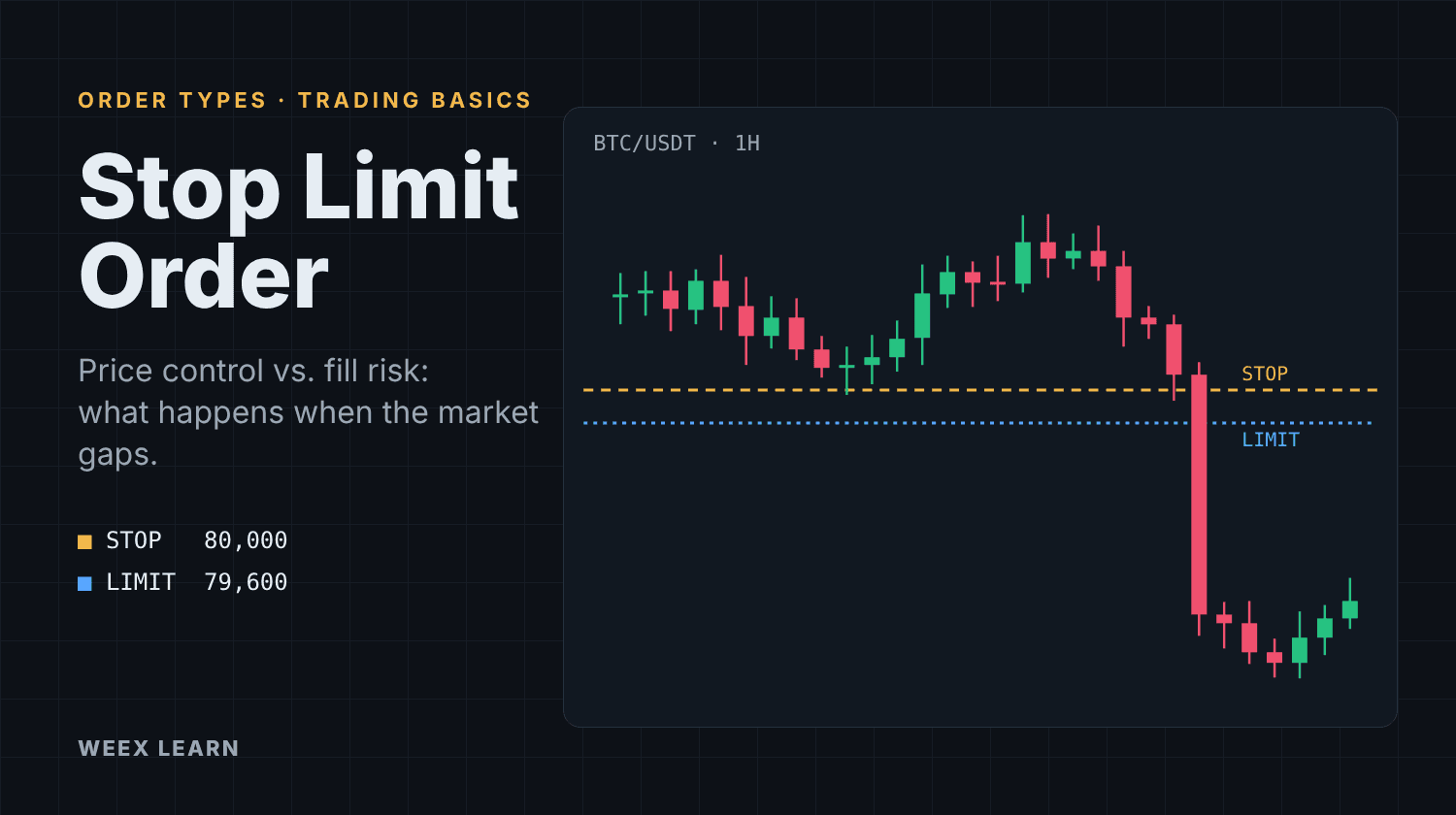
Stop Limit Order: How It Works and Why It Can Fail to Fill

Best Crypto Podcasts for Beginners: A 4-Week Listening Plan

Will Bitcoin Break $87,000 This Week? CPI, Fed Speakers and ETF Outflows to Watch

Conflux (CFX) Price Jumps on China's National Blockchain Network Plan: Does the Policy Actually Name CFX?

What Is Plume (PLUME)? Why the RWA Token Stays 93% Below Its High Even After the Layer 2 Rally

Who Is David Ellison? Skydance’s Strategy, Media Consolidation, and the Investment Case
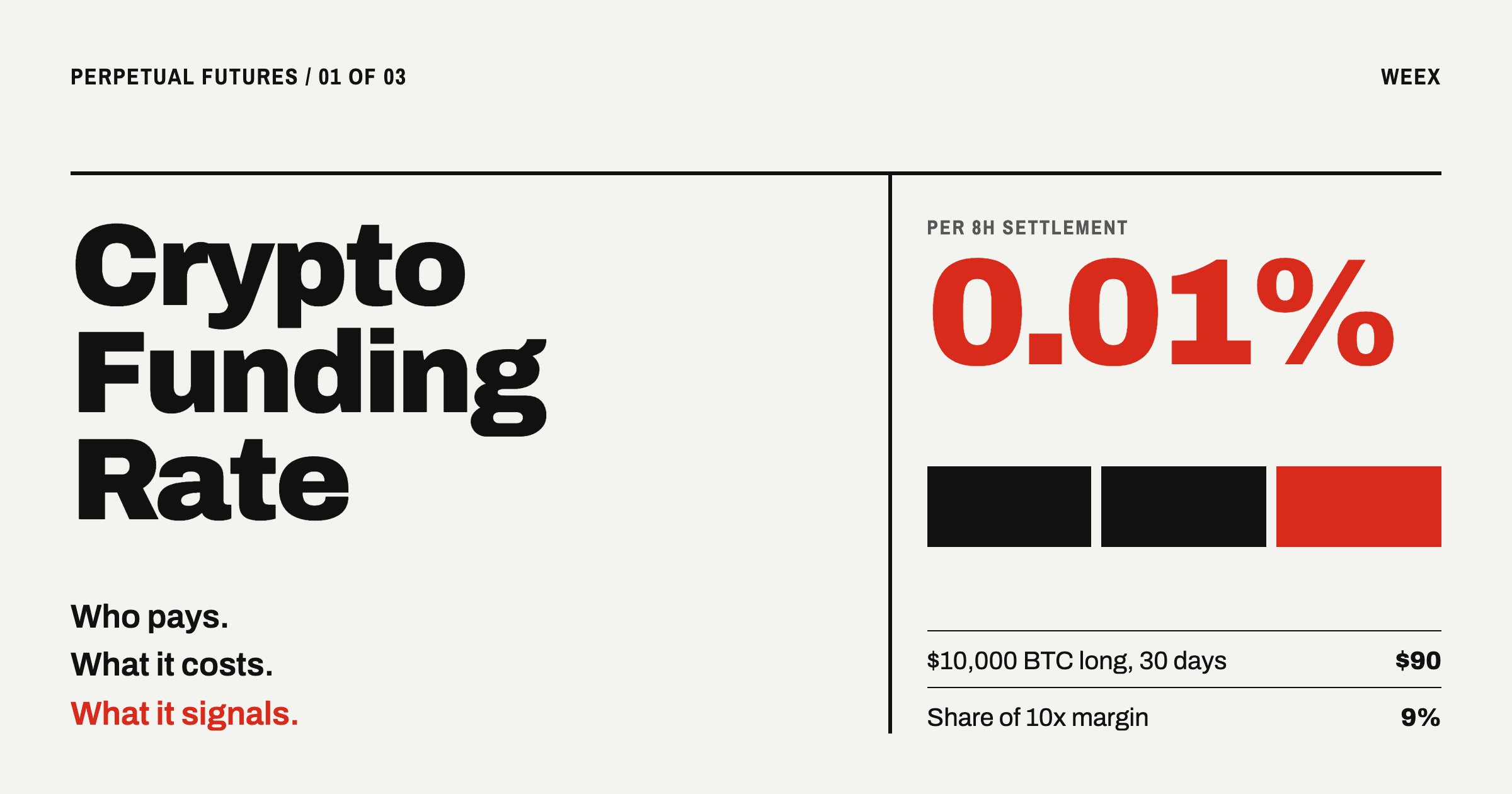
Crypto Funding Rate: Who Pays, What It Costs, What It Signals
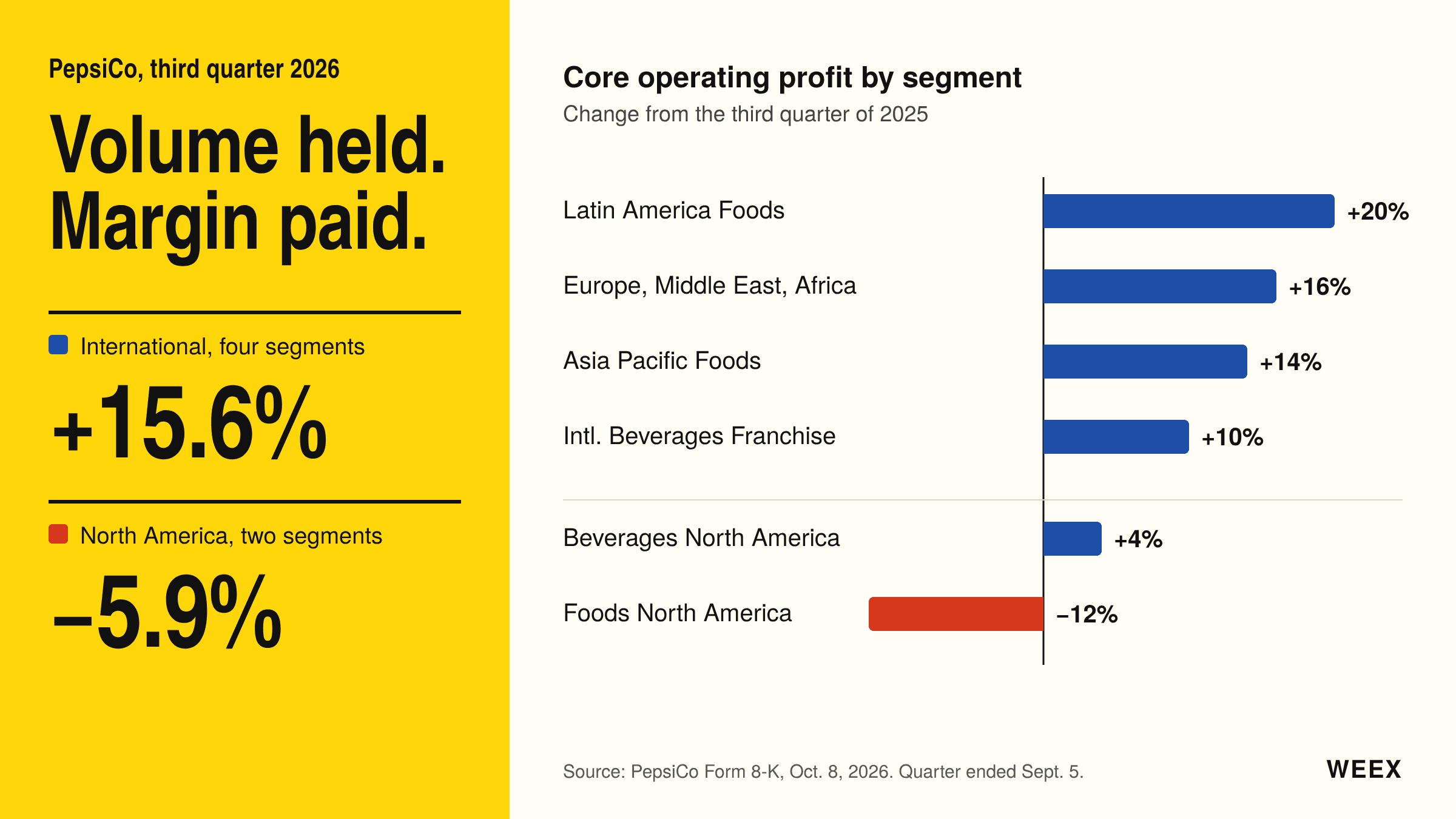
PEP Earnings: PepsiCo Beats Q3, Cuts Guidance on North America
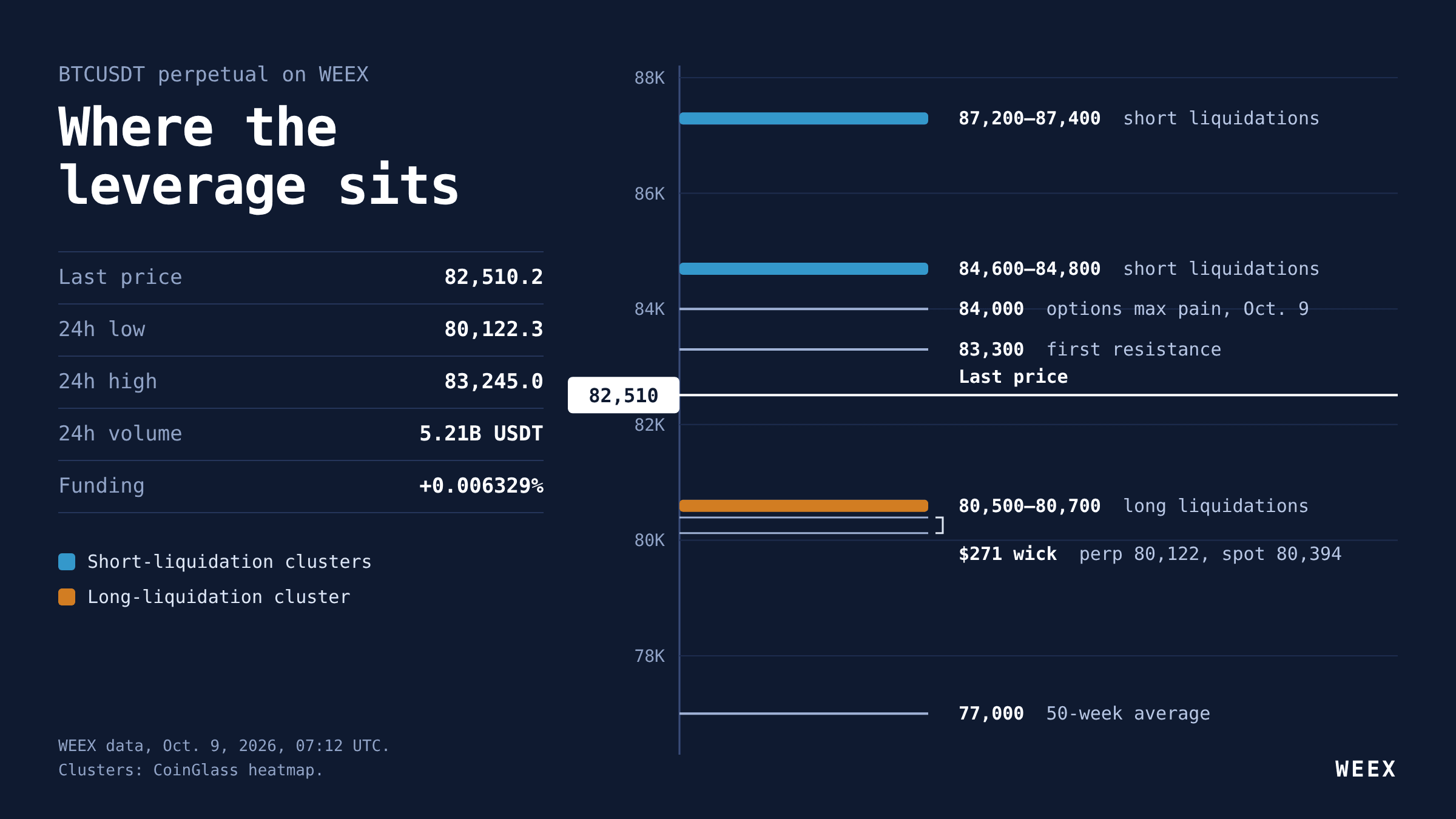
BTC Futures Analysis: $80K Held, but Longs Are Still Paying Up
Third-Party Trading Platforms vs Direct WEEX Trading: Fees, Liquidity, Security, and Control
How to Day Trade Crypto for Beginners: Do the Fee Math First
What Is Blockchain and How Does It Work? One Real Payment Traced
What Is a Blockchain Node? Types, 2026 Counts, and Real Costs

TSMC Stock Outlook Ahead of Q3 Earnings: Can AI Demand Push Shares Higher?
Taiwan Stock Market Nears 50,000: Can the TAIEX Break the Milestone After the Holiday?
How to Buy USDT in Thailand: Payment Methods, Fees and Transfer Checks

What Is RLC Crypto? How iExec (RLC) Powers Confidential Computing
Best Crypto Trading Strategies for Beginners: What to Know Before You Trade
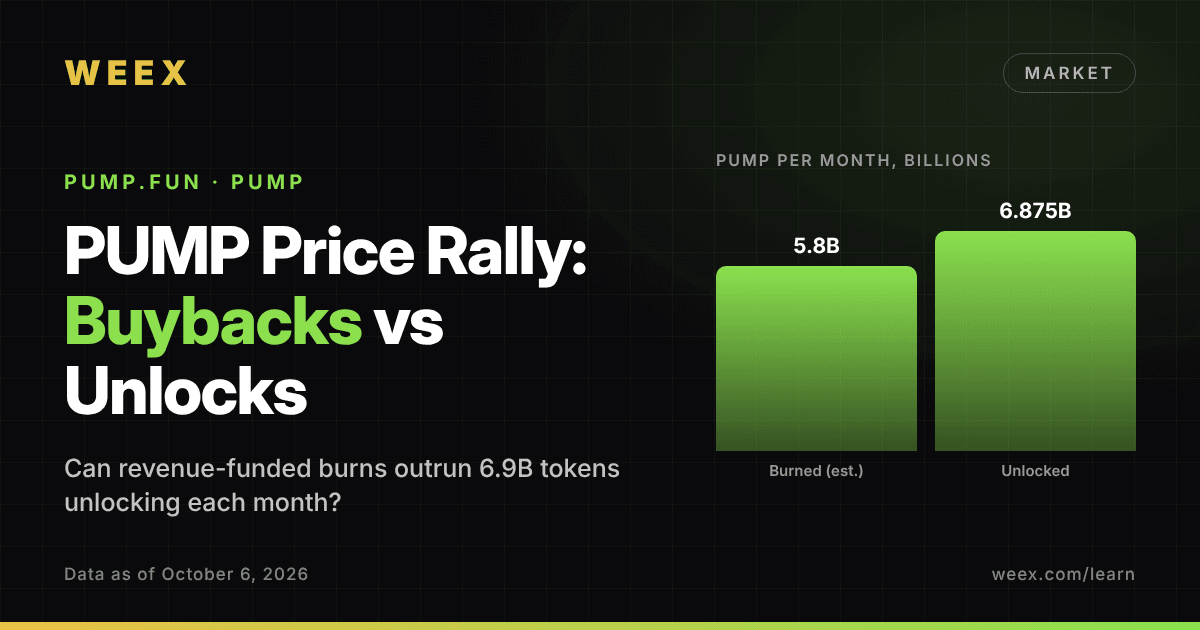
PUMP Price Rally: Can Pump.fun Buybacks Outrun Monthly Unlocks?
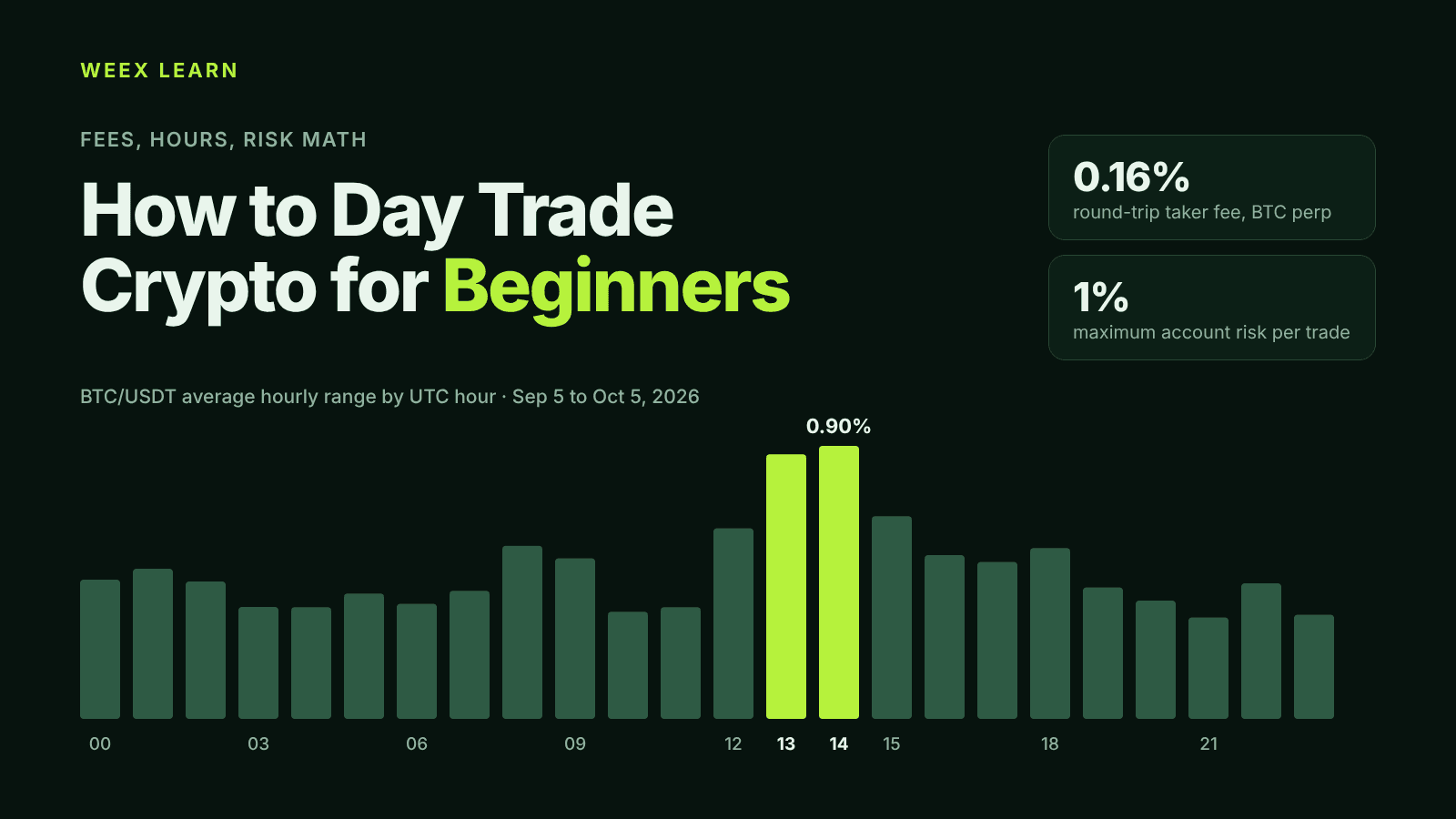
How to Day Trade Crypto for Beginners: Fees, Hours, Risk Math
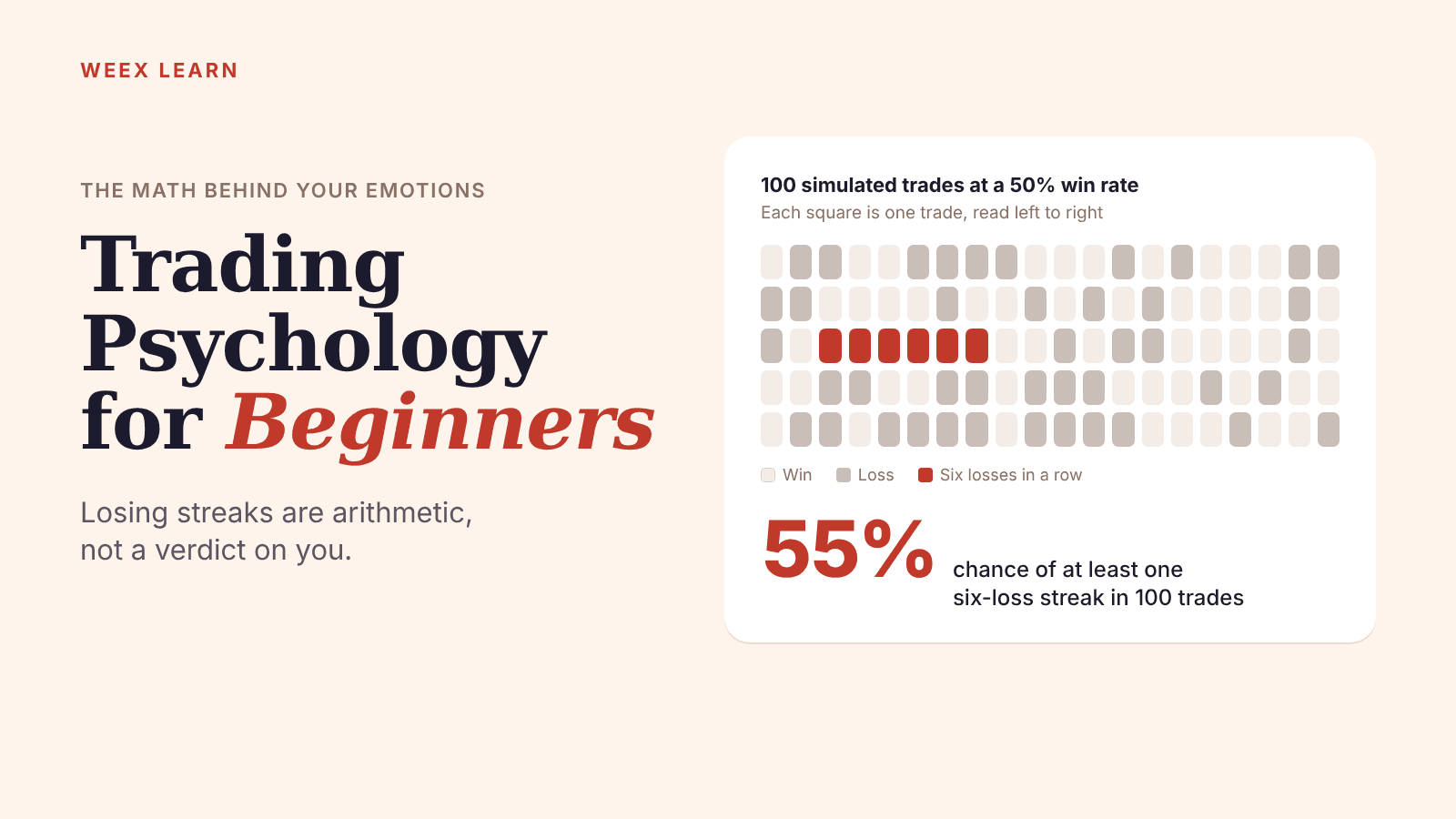
Trading Psychology for Beginners: The Math Behind Your Emotions
Best Crypto Apps for Beginners: The Five Features That Actually Matter on Your Phone

WEEX Passkey Now Secures Withdrawals: The 4 Actions It Covers
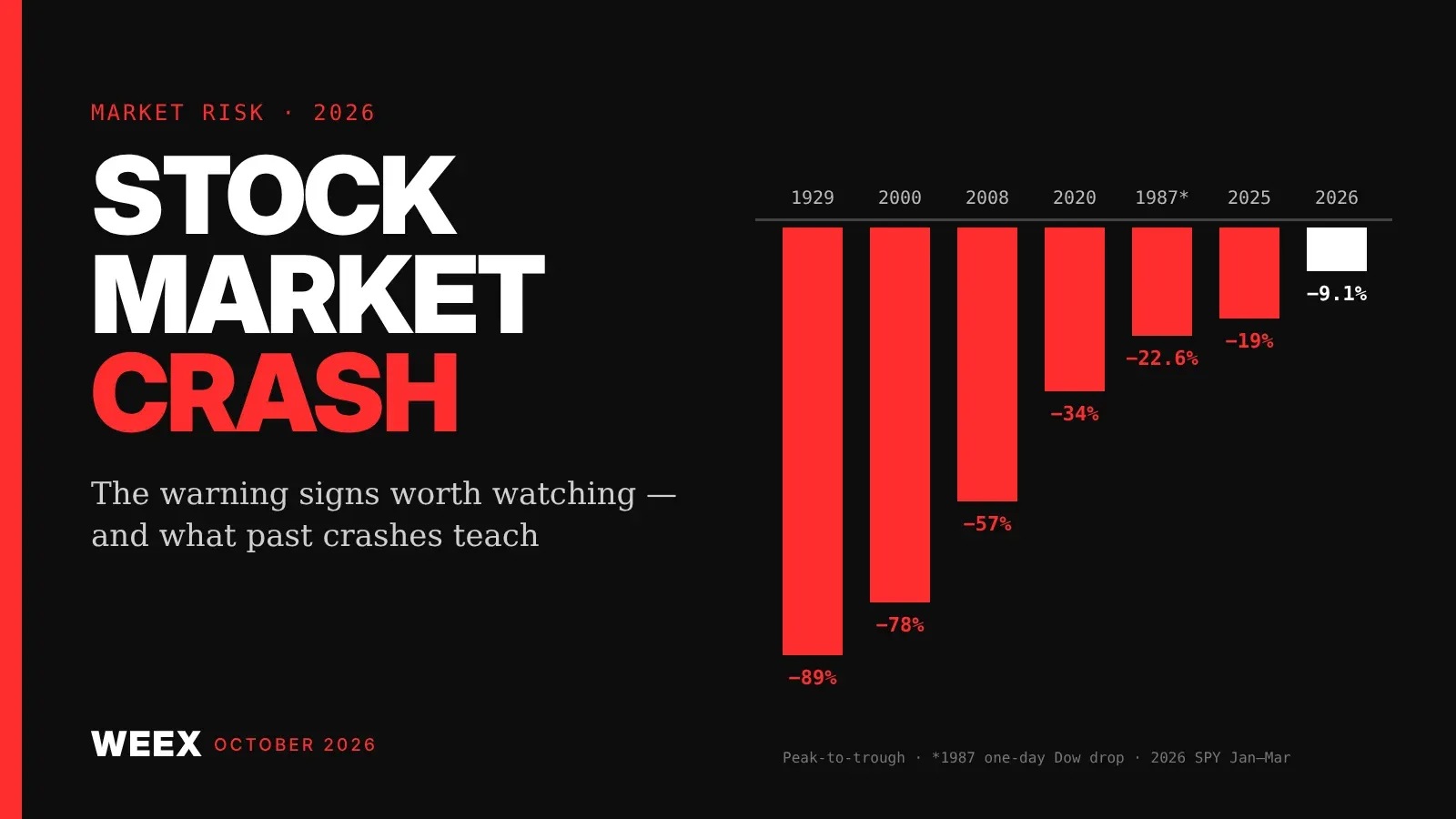
Stock Market Crash Risk in 2026: The Warning Signs Worth Watching
Is RSI a Good Indicator? How the Relative Strength Index Works, Its Limits and How Traders Use It
CRWV Stock Swings From -9.5% to +5.9%: Why CoreWeave Reversed
Walrus (WAL) Jumps 30%: Sui Storage Token Rallies on AI Data
CoreWeave Stock Plunges 15%: Why a Bond Yield Spooked CRWV
Best Crypto Miner for Beginners: What to Check on Cost, Power, Hashprice and Profit Before You Buy
MU Stock Falls Below $1,000: Is the CXMT Threat Real or Just an Excuse to Take Profits?


