
What is Spot DCA? Your Essential Guide to Smarter Crypto Investing in Volatile Markets


As of February 4, 2026, the crypto market continues to show its unpredictable side, with Bitcoin hovering around recent highs amid regulatory shifts and increased adoption by institutions. According to data from CoinMarketCap extracted on this date, major assets like BTC and ETH have seen volatility spikes, making strategies like Spot DCA more relevant than ever for everyday investors. In this article, we’ll break down what Spot DCA really means, how it operates in real trading scenarios, and whether it’s a solid approach for assets like Bitcoin. Expect clear explanations on its mechanics, risk comparisons, and practical tips, plus short-term forecasts on its use in current market trends and long-term outlooks for building portfolios amid Web3 growth.
Understanding the Basics of Spot DCA in Crypto Trading
Spot DCA, short for Spot Dollar-Cost Averaging, stands out as a practical strategy for navigating the ups and downs of cryptocurrency prices. At its core, this approach involves automating buys or sells of crypto assets at set intervals, aiming to smooth out the average cost over time. Unlike trying to time the market perfectly, which even seasoned traders struggle with, Spot DCA spreads out your investments to lessen the blow from sudden price swings. Think of it as dipping your toes into a fluctuating pool rather than jumping in all at once – you end up with a more balanced entry point.
This method draws from traditional dollar-cost averaging, where you invest fixed amounts regularly regardless of price. In the crypto world, Spot DCA takes it further by using bots to handle the execution on spot markets, which deal with immediate trades without leverage. Sources like OKX’s help resources describe it as an automated tool that buys more when prices dip and sells when they rise, helping users capitalize on volatility. For beginners, this means less stress over daily charts; you set parameters once, and the system runs in the background.
Crypto researcher and analyst Alex Becker, in a recent interview on CoinDesk, noted, “Spot DCA bots are game-changers for retail investors, turning market dips into opportunities without the emotional rollercoaster.” This aligns with current trends, where platforms are rolling out more user-friendly tools amid rising interest in DeFi and staking. As of early 2026, with market cap data from CoinMarketCap showing Bitcoin’s dominance steady at around 50%, Spot DCA offers a way to build positions in such assets steadily.
How Does Spot DCA Work in Practice?
Diving deeper into how Spot DCA operates, it revolves around setting up a bot that triggers trades based on price movements rather than fixed times. You start by choosing a trading pair, like BTC/USDT, and defining key parameters such as the initial amount, price deviation percentages, and take-profit levels. The bot then places orders automatically: in buy mode, it ramps up purchases as prices fall below your starting point, aiming for a lower average cost. Once the price rebounds past your take-profit threshold, it sells to lock in gains and restarts the cycle.
Sell mode flips this logic, ideal if you hold the base asset like BTC and want to sell incrementally as prices climb. According to details from trading bot explanations, this process repeats as long as funds are available, with safeguards like stop-loss limits to cap potential losses. For instance, if Bitcoin drops 5% from your entry, the bot might double the next buy order, averaging down your cost. This martingale-inspired element – where order sizes increase after dips – can accelerate recovery in volatile markets, but it requires careful setup to avoid overexposure.
In real-world application, Spot DCA shines in sideways or trending markets. A report from Binance’s strategy guides highlights that it automates responses to price deviations, making it more dynamic than simple time-based buying. Users select risk profiles, from conservative to aggressive, powered by AI to match their tolerance. As crypto trader and author Peter Brandt shared in a 2025 Bloomberg piece, “Strategies like Spot DCA work best when you believe in an asset’s long-term uptrend, like Bitcoin’s cycle of halvings driving value.” This ties into current forecasts, where analysts predict Bitcoin could test $100,000 by mid-2026 if ETF inflows continue, per CoinMarketCap trends.
Comparing Spot DCA to Other Crypto Trading Strategies
To grasp Spot DCA’s unique edge, it’s helpful to see how it stacks up against similar tools. Auto-Invest focuses on consistent buys at fixed intervals, much like traditional DCA, building holdings over time without selling. Spot Grid, on the other hand, sets up a range of buy and sell orders within a price band, profiting from small fluctuations in volatile pairs. Spot DCA differentiates by emphasizing multiple entries leading to a single exit, triggered by price deviations rather than grids.
Here’s a clear comparison based on strategy breakdowns from reliable sources:
| Strategy | Goal | Key Mechanism | Ideal For |
|---|---|---|---|
| Auto-Invest | Automate investments to grow holdings | Fixed amount buys at set frequencies | Long-term holders ignoring short-term volatility |
| Spot Grid | Profit from small price changes | Buy/sell orders in a predefined price range | Volatile, range-bound markets like altcoins |
| Spot DCA | Exploit volatility to average costs | Price-based orders with multipliers for buys/sells | Investors in assets like BTC during dips and rallies |
This table, drawn from trading bot comparisons, shows Spot DCA’s strength in adapting to market moves against your position, potentially yielding better averages in unpredictable conditions.
Is DCA Bitcoin a Good Idea for Beginners?
When it comes to Bitcoin, applying DCA through a spot bot often makes sense for those new to crypto. Bitcoin’s history of massive rallies followed by corrections – think the 2022 bear market dipping below $20,000 before rebounding – underscores why averaging in reduces the risk of buying at peaks. Data from CoinMarketCap as of February 2026 indicates Bitcoin’s average yearly volatility around 60%, so spreading purchases can lead to a more favorable entry price over months or years.
Experts like Michael Saylor of MicroStrategy have long advocated for DCA in Bitcoin, stating in a recent CNBC discussion, “It’s not about timing the market; it’s about time in the market.” For beginners, this strategy minimizes emotional decisions, especially in Web3 ecosystems where staking BTC derivatives adds layers. Short-term, with halving effects lingering, Spot DCA could help capture gains if prices consolidate around $80,000. Long-term, as adoption grows, it positions you for potential 5-10x returns by 2030, based on historical cycles.
Is DCA Less Risky Than Other Approaches?
Absolutely, Spot DCA tends to be less risky than lump-sum investing or day trading, as it mitigates the impact of volatility by distributing entries. Instead of risking everything on one high or low, you average costs, which historical backtests from sources like OKX show can outperform in 70% of volatile periods for assets like ETH. However, it’s not foolproof – prolonged downtrends can still lead to losses if prices don’t recover.
Compared to high-leverage trading in DeFi, DCA’s spot focus avoids liquidation risks. Analyst Cathie Wood from ARK Invest remarked in a 2025 report, “DCA strategies shine in uncertain times, offering a buffer against black swan events.” Still, incorporating stop-losses is crucial, as market crashes like 2022’s demonstrated.
Weighing If DCA is Good or Bad for Your Portfolio
Spot DCA isn’t inherently good or bad; it depends on your goals and market conditions. It’s excellent for patient investors who view crypto as a long-term store of value, helping build stakes in blue-chip coins without constant monitoring. On the flip side, in strong bull markets, it might mean missing out on bigger gains from all-in buys. Recent news from CoinDesk in early 2026 highlights how DCA bots helped users navigate the post-halving volatility, turning potential losses into averaged wins.
As a crypto trader myself, I’ve seen DCA pay off in sideways markets, but it requires discipline – set realistic multipliers to avoid exhausting funds. For Web3 enthusiasts exploring NFTs or staking, combining it with diversified pairs enhances outcomes.
FAQ: Common Questions About Spot DCA
What is Spot DCA and How Can Beginners Get Started?
Spot DCA is an automated strategy that averages your crypto buys or sells over time to handle volatility. Beginners can start by selecting a platform like WEEX, setting up a bot with simple parameters like investment amount and price triggers. It’s user-friendly and reduces timing errors, per CoinMarketCap insights.
How Does Spot DCA Work with Volatile Assets Like Bitcoin?
Spot DCA works by triggering more buys when Bitcoin prices dip, lowering your average cost until a rebound sells for profit. In buy mode, it places larger orders on falls, cycling repeatedly. This suits Bitcoin’s swings, as noted in OKX guides, helping achieve better long-term entries.
Is DCA Bitcoin a Good Idea in 2026’s Market?
Yes, DCA Bitcoin is a solid idea amid 2026’s regulatory clarity and adoption trends, spreading risks over halvings. It avoids peak buys, potentially yielding steady gains if prices hit forecasts like $120,000 by year-end, based on analyst predictions.
Is DCA Less Risky Than Timing the Crypto Market?
DCA is less risky as it evens out volatility without predicting tops or bottoms. While not eliminating losses in bear markets, it outperforms lump-sum in most scenarios, according to historical data from reliable sources.
Is DCA Good or Bad for Long-Term Crypto Investors?
DCA is generally good for long-term investors, promoting consistent growth without emotional trades. However, in prolonged downturns, it could amplify losses if not monitored, making it bad without stop-losses. Balance it with research for best results.
What Are the Key Parameters in a Spot DCA Bot?
Key parameters include price steps, take-profit levels, initial amounts, and multipliers for orders. These control how the bot averages costs, with AI profiles aiding setup for moderate to aggressive strategies.
In wrapping up, Spot DCA remains a reliable tool for crypto enthusiasts facing 2026’s dynamic landscape, blending automation with strategic averaging to turn volatility into an ally. From my experience trading through multiple cycles, the real key lies in pairing it with ongoing market awareness – don’t set it and forget it entirely. As Web3 evolves, strategies like this empower more people to participate confidently, potentially leading to more stable portfolios over time.
DISCLAIMER: WEEX and affiliates provide digital asset exchange services, including derivatives and margin trading, only where legal and for eligible users. All content is general information, not financial advice-seek independent advice before trading. Cryptocurrency trading is high risk and may result in total loss. By using WEEX services you accept all related risks and terms. Never invest more than you can afford to lose. See our Terms of Use and Risk Disclosure for details.
You may also like
What is World Cup Doge (WCDOGE) Coin? Is WCDOGE a Good Investment?
What is WCDOGE crypto? Meme token or football fan play? Real data, honest risks, and how to buy World Cup Doge.

SIM Owner Details: Legal PTA Check and Safety Guide
Learn what SIM owner details means, how to check SIMs on your CNIC through official PTA channels, and how to avoid lookup scams.
NBIS Stock: What Nebius’ AI Cloud Surge Means Now
NBIS stock jumped as Nebius reported rapid AI cloud growth. See the key Q1 2026 numbers, catalysts, valuation risks, and what to watch next.

Grass Token Price: GRASS Live Data, Drivers, and Risks
Track Grass token price, market cap, supply, unlocks, and key GRASS price drivers before trading the Solana AI and DePIN token.

WCOR Coin Explained: World Collective Oil Reserve on Solana
WCOR coin is a Solana token tied to an oil-reserve registry narrative. Here’s what it claims, current data, and the risks traders should watch.
What Is SAOS Crypto? Can SAOS Hit $0.1?
Is SAOS crypto a hidden gem? Strategic American Oil Supply on Solana explained. No hype, just data: $75K cap, locked LP, RWA narrative.
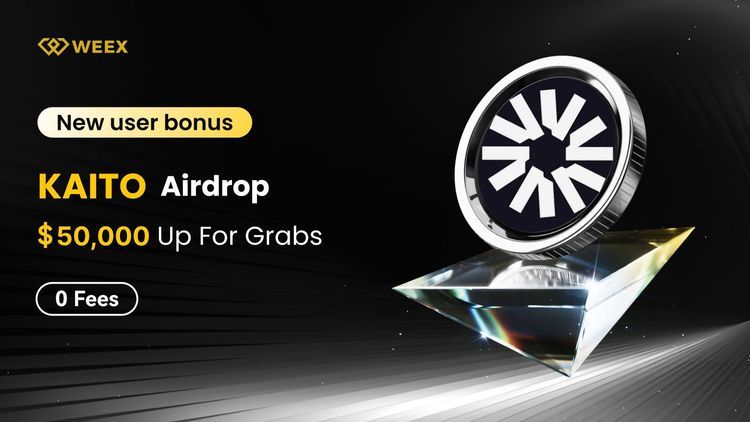
KAIO Airdrop: Share 50,000 USDT on WEEX with 0-Fee Trading
Trade KAIO/USDT with 0 fees on WEEX from May 7–14, 2026. New users can complete deposit and spot trading tasks to share 50,000 USDT in rewards.

What Is SAOS? Strategic American Oil Supply Token Explained
SAOS is a meme token on Solana with a 75,000 USD market cap and 22,000 USD locked liquidity, positioned around oil supply themes but lacking real asset backing
It thrives on pure narrative speculation, with no utility, website, or doxxed team, making it highly volatile and attention-dependent
Traders should distinguish SAOS from legitimate real-world asset projects, as its branding is speculative rather than substantive
Positive aspects include locked liquidity reducing rug pull risks, but low trading activity signals high uncertainty
How to Buy Public Asset Control (PAC) Token in 2026: Latest Solana Buying Guide
How to buy Public Asset Control (PAC) token in 2026, PAC contract address, Solana wallet setup, Jupiter swap guide, latest price, liquidity, and risks.
What Is Public Asset Control (PAC) Token and How Does It Work? Latest Solana PAC Token Guide
Public Asset Control (PAC) token explained. Learn what PAC is, how it works on Solana, current price snapshot, risks, and buying basics.

Can PAC Coin Reach $1 Soon? Analyzing Public Asset Control
PAC is a Solana-based meme token with a government-themed narrative, but it is highly speculative.
At its current price (~$0.0009) and 1B supply, reaching $1 would require a $1B market cap, which is very unlikely.
Short-term moves to $0.001 or $0.01 are more realistic, but the token is highly volatile due to low liquidity and hype-driven trading.
Overall, $1 is not a realistic target, and PAC is better suited for short-term speculation than long-term investment.

United Nations Oil Reserve (UNOS) Crypto: Solana Token, UN Links, and Risks
United Nations Oil Reserve (UNOS) Crypto explained: Solana token basics, UN links, oil-backing claims, market risks, contract checks, and buying cautions.

What Is Public Asset Control (PAC) Coin? Explained for Beginners
Public Asset Control (PAC) is a Solana-based token that uses a “government asset control” narrative involving oil and gold themes, but it has no verified ties to any real institutions or governments. It is mainly an entertainment-focused, speculative meme coin.
The project’s claims about links to entities like BlackRock or Palantir are unverified, and its own disclaimer states it is not a real financial or institutional asset. Like many new Solana tokens, PAC is highly volatile, with low liquidity and limited transparency, including no fully verified audit.
Overall, PAC is a high-risk speculative token driven by hype and storytelling rather than real utility. Beginners are advised to be cautious, verify contract details, and prioritize risk control before considering any trading.
What Is Official Saudi Oil Reserve (OSOR) Coin?
Learn what OSOR coin is, why its Saudi oil narrative matters, how to verify the contract, and what risks to check before trading.
Global Digital Oil Reserve (GDOR): What It Is, Risks, and How to Check It
Global Digital Oil Reserve (GDOR) is an oil-themed Solana token with unclear backing. Learn its risks, market data, and verification checklist.

Is OBC Crypto a Good Investment?
Is OBC crypto a good investment? We analyze the latest market data, holder concentration, liquidity risks, and short-term momentum. Read this before you invest in OBC token.

Can OSOR Reach $1? Full Price Analysis 2026
OSOR crypto price prediction 2026: Can Saudi Oil Reserve token reach 1? Read before buying.

What is International Oil Supply (IOS) Coin?
Wondering what is IOS crypto? Here’s a straight look at International Oil Supply (IOS) coin—the Solana token tied to oil reserve data. Contract address, risks, and what’s still unverified.
What is World Cup Doge (WCDOGE) Coin? Is WCDOGE a Good Investment?
What is WCDOGE crypto? Meme token or football fan play? Real data, honest risks, and how to buy World Cup Doge.
SIM Owner Details: Legal PTA Check and Safety Guide
Learn what SIM owner details means, how to check SIMs on your CNIC through official PTA channels, and how to avoid lookup scams.
NBIS Stock: What Nebius’ AI Cloud Surge Means Now
NBIS stock jumped as Nebius reported rapid AI cloud growth. See the key Q1 2026 numbers, catalysts, valuation risks, and what to watch next.
Grass Token Price: GRASS Live Data, Drivers, and Risks
Track Grass token price, market cap, supply, unlocks, and key GRASS price drivers before trading the Solana AI and DePIN token.
WCOR Coin Explained: World Collective Oil Reserve on Solana
WCOR coin is a Solana token tied to an oil-reserve registry narrative. Here’s what it claims, current data, and the risks traders should watch.
What Is SAOS Crypto? Can SAOS Hit $0.1?
Is SAOS crypto a hidden gem? Strategic American Oil Supply on Solana explained. No hype, just data: $75K cap, locked LP, RWA narrative.


