
- Buy Crypto
- Markets
 Futures
- Spot
- Copy Trade
 Earn
Earn- More
From Wall Street to the Crypto World: BNB Network CEO's Ten-Year Journey

Original Article Title: Podcast: Building the $500MM+ Binance-based Digital Asset Treasury, with BNB Network CEO David Namdar
Original Article Author: MATT LOW, Fintech Blueprint
Translation: Peggy, BlockBeats
In this episode, Lex interviews David Namdar, CEO of BNB Network Company, starting from his early 2012 encounter with Bitcoin, all the way to co-founding Galaxy Digital and his current role leading BNB Network Company. Namdar reflects on the evolution of the interaction between traditional public markets and crypto assets, highlighting how regulatory barriers and speculative cycles have shaped market participation.
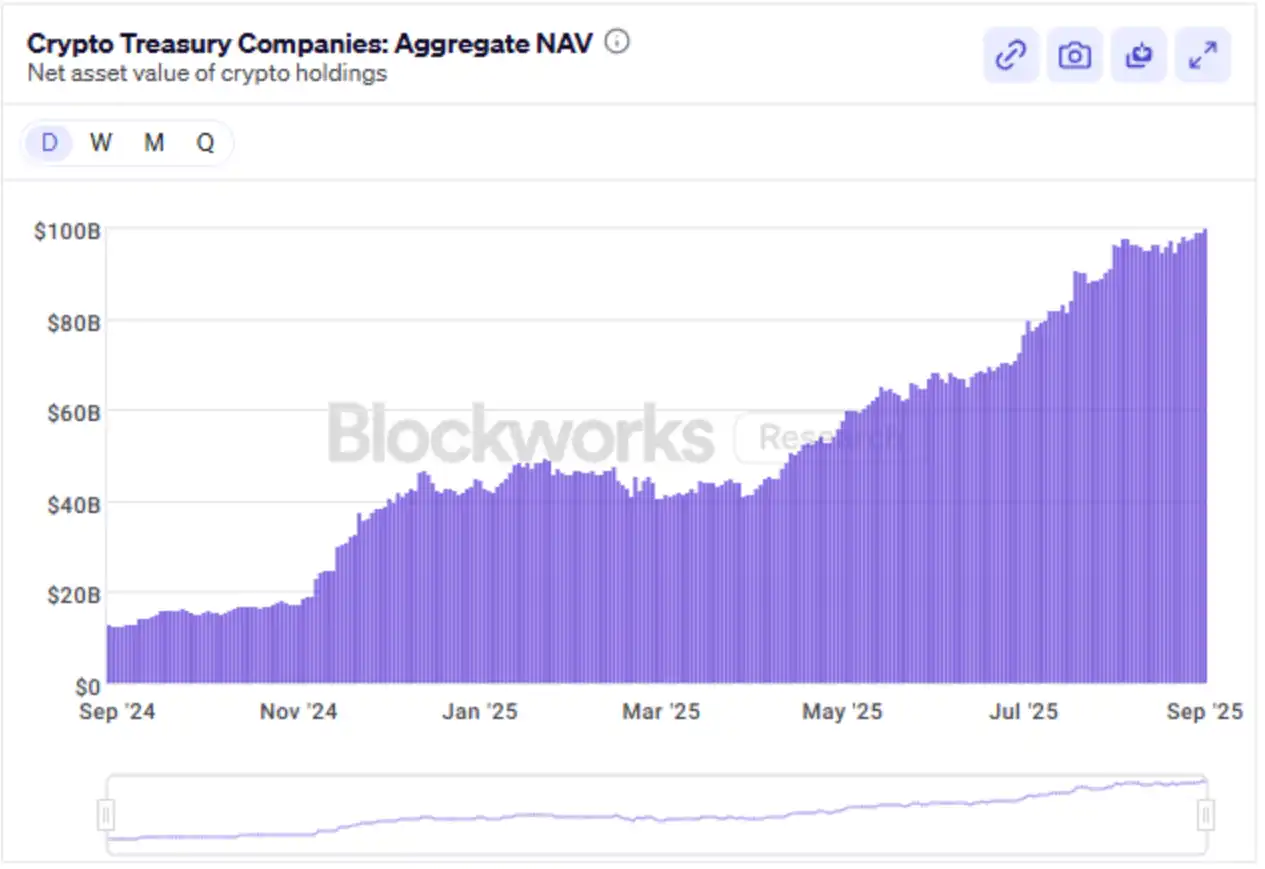
He further analyzes the rise of Digital Asset Treasuries (DAT) companies, emphasizing how MicroStrategy under Michael Saylor pioneered this model by converting $400 million of cash reserves into Bitcoin, with its Bitcoin holdings now exceeding $75 billion.
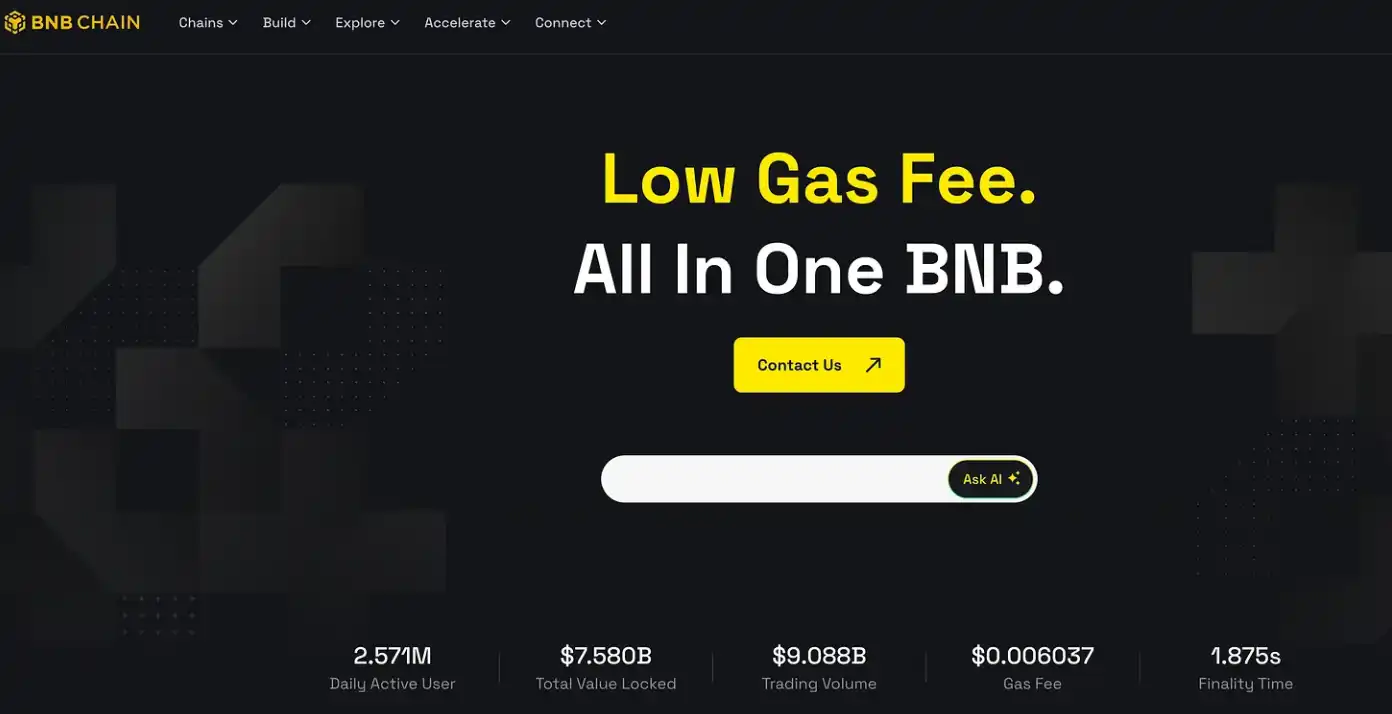
They then discuss the role of Binance in this ecosystem: with 290 million users, representing around 40% of global crypto trading volume, and utilizing a quarterly burn mechanism of up to $2 billion, turning BNB into a deflationary asset.
Finally, Namdar shares why in the new DAT project, he chose to focus on BNB rather than Bitcoin, providing U.S. investors with a previously undervalued yet powerful asset exposure.
TL;DR
1. Digital Asset Treasuries are becoming "disguised crypto ETFs"
Public companies like MicroStrategy and MetaPlanet are transforming their balance sheets into crypto asset holdings, offering indirect exposure to assets like Bitcoin, Ethereum, BNB, etc. Due to restrictions on ETFs or direct investment channels, this model is attracting billions of dollars in funds, becoming a new investment gateway.
2. BNB has massive global utility but is severely "undervalued" in the U.S. market
BNB is aimed at 290 million users, with quarterly token burns of up to $2 billion, making it one of the most widely used tokens globally. However, for U.S. investors, it is nearly inaccessible, creating a significant disconnect between market awareness and asset demand, presenting a potential opportunity for public market investment tools around BNB.
3. Cryptocurrency Market Prices Often Rely on Misunderstood and Unsustainable Incentive Mechanisms
Namdar points out that the demand expansion in past cycles has been driven more by staking rewards and nominal gains rather than true value creation. The lack of economic and financial literacy has intensified the pursuit of "superficial returns," masking the underlying fundamentals and undermining long-term sustainability.
Who Is David Namdar?
David Namdar's career path leading to becoming the CEO of BNB Network has intricately intertwined with every key stage of the cryptocurrency industry's development. Starting from traditional finance roles at UBS Hong Kong and Millennium Management, he discovered Bitcoin in 2011 and became one of the earliest advocates, attending New York's first Bitcoin meetups in 2012–2013.
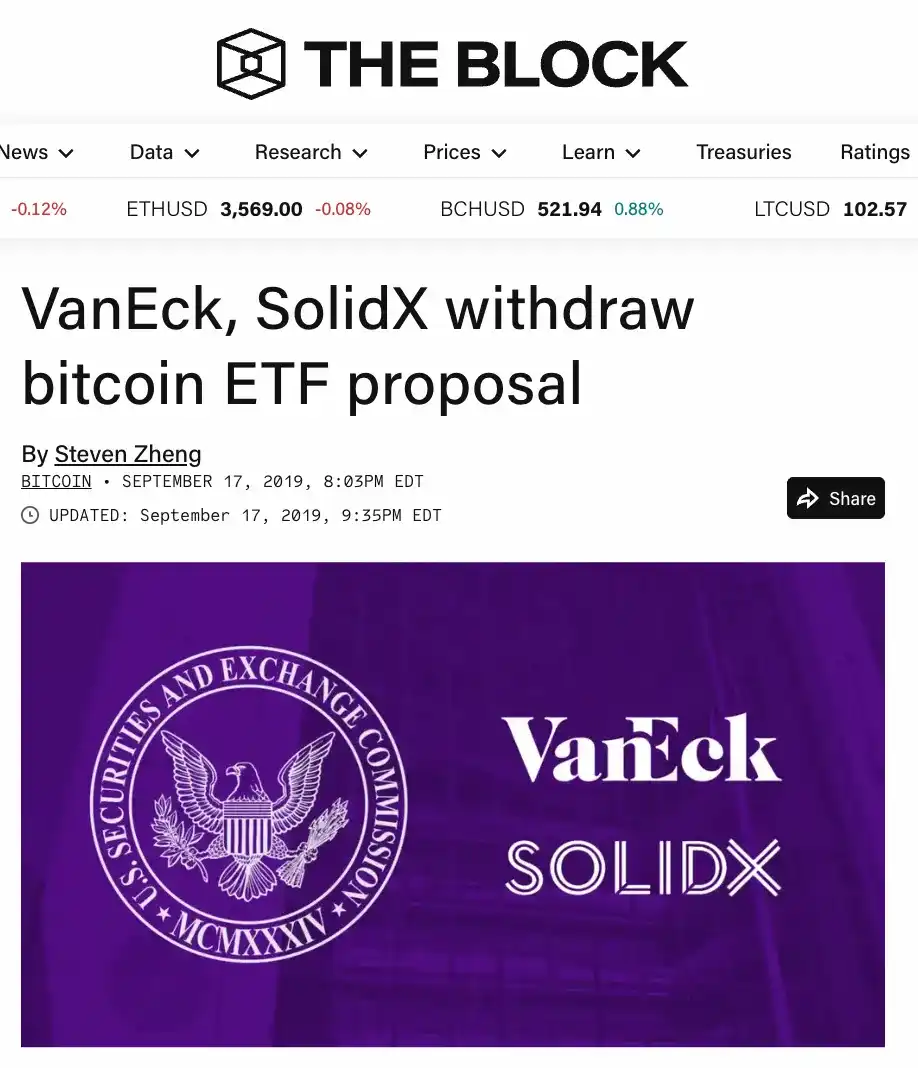
In 2014, he co-founded SolidX Partners and submitted the second global Bitcoin ETF application shortly after the Winklevoss brothers. Subsequently, in 2017, he collaborated with Michael Novogratz to establish Galaxy Digital and successfully took it public in Canada.
After departing from Galaxy, he founded Coral DeFi, co-founded NFT.com, and became an active angel investor while providing advisory services to several digital asset treasury companies. With a unique blend spanning Wall Street trading, early-stage crypto entrepreneurship, and institutional-grade digital asset management—a journey from Bitcoin's nascent days to the institutionalization wave of crypto, accumulating over a decade of experience—he emerged as the ideal candidate to lead BNB Network in 2024 to advance its ambitious $500 million treasury strategy.
Conversation Excerpt
Lex Sokolin: Hello, everyone, and welcome to today's conversation. I am thrilled to have David Namdar with us. He is the CEO of BNB Network Company, a co-founder of Galaxy Digital, and a very early crypto entrepreneur and investor. David, welcome to our conversation.
David Namdar: Thank you, Lex. I'm delighted to be here.
Career Development
Lex Sokolin: Let's start with a quick review: How did you get into the crypto field? What led you to become a co-founder of Galaxy? What was your experience like in those early years?
David Namdar: Actually, that wasn't the first chapter of my journey in the crypto industry. The true beginning should be traced back to my career starting at UBS in Hong Kong.
At that time, I was responsible for covering the entire Asian market and engaging in global trading activities. Later, I returned to New York to work at Millennium, one of the world's largest hedge funds, where I traded in almost every stock market. It was then that I realized that Asians seemed to have an advantage in the realm of "currency" compared to the Western world: because everyday individuals in Hong Kong, Tokyo, and Shanghai interacted with and contemplated multiple currencies, whereas in the West, people only needed to focus on the US dollar or the euro, and everything operated too smoothly.
It was also at Millennium where I first encountered Bitcoin. I started attending some of the earliest Bitcoin offline meetups in New York around 2012 or 2013, trying to persuade my hedge fund and banking colleagues to pay attention to this thing. But when I saw their reluctance, I chose to depart. In late 2013 or early 2014, I founded my first company in this space.
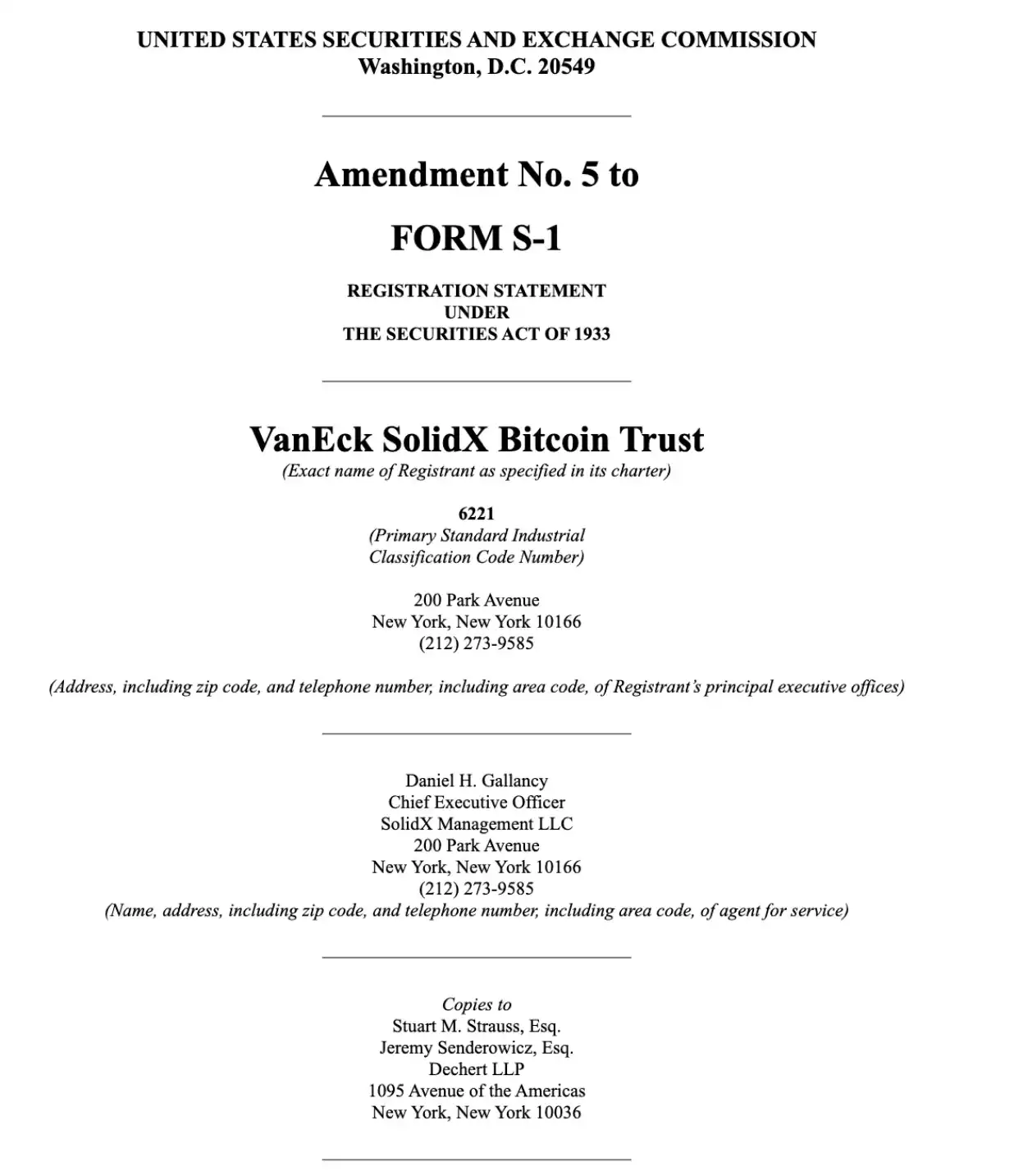
David Namdar: That company was SolidX Partners. Our goal was to establish a boutique investment bank focused on digital assets. At that time, we attempted to launch a Bitcoin ETF — the world's second Bitcoin ETF application, second only to the Winklevoss brothers. Simultaneously, we also tried to innovate on the derivatives side, using total return swaps, and published some of the earliest Bitcoin and digital asset research reports, analyzing them as an institutional asset class.
All of this took place from 2014 to 2015, and to be honest, it was indeed a bit early. Particularly after the Mt. Gox collapse in 2013, many people still held doubts about this field, feeling that the risks were too high, the issues too numerous, and many believed that governments would outright shut down Bitcoin, thinking Bitcoin could never evolve into what it is today.
A few years later, I met Mike Novogratz. He had just left Fortress at the time to focus on managing his family office. He had made several investments in this space, including Ethereum and Ripple, which were introduced through a referral from Dan Morehead at Pantera, whom I had known since our time at Fortress.
David Namdar: So I started managing all of his digital assets, to be honest, while continuing to do what I do best: create chaos, expand opportunities, and step by step drag everyone into the crypto world. In the family office, I was basically "at war with everyone," constantly pushing him and the whole team towards crypto, getting deeper and deeper into it, and thereby sowing the seeds for the later creation of the hedge fund and business we jointly built, which eventually became Galaxy Digital.
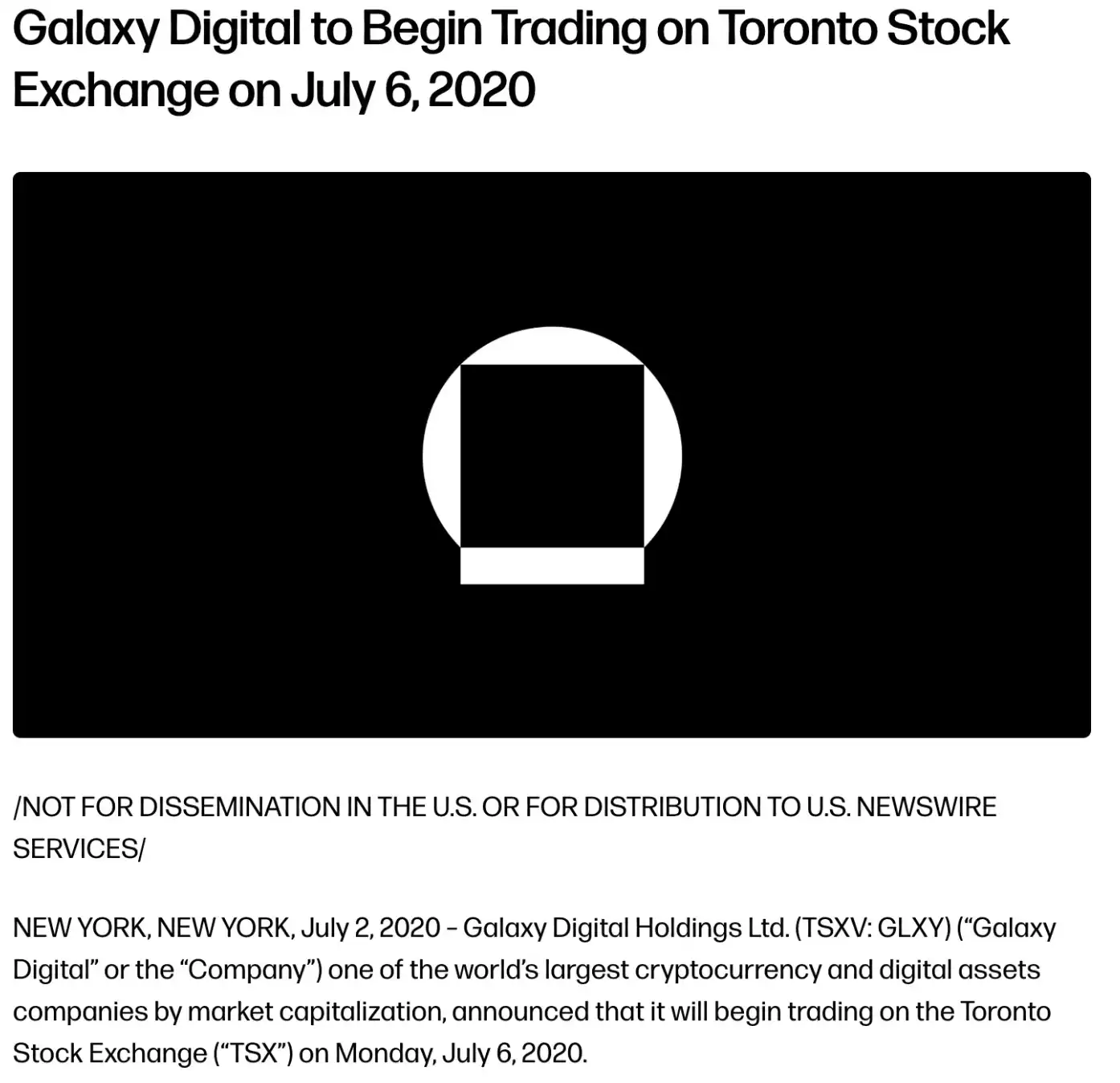
Later on, I pushed for us to take the company public. However, at that time, the U.S. regulatory environment did not allow us to go down that path, so we turned our gaze to Canada. Several crypto mining companies had already gone public in Canada, and the local market was more open to crypto assets. Some Canadian investors even compared crypto mining to traditional mining of gold, silver, or other commodities, so they were more willing to accept this asset type earlier on.
So we became one of the first teams to bring a "truly diversified crypto investment bank and crypto business" to the public market. One could say that this public company was an amplified and evolved version of my first company, SolidX.
Lex Sokolin: You accomplished a lot in a very short amount of time, thank you for sharing. I'm actually very interested in the public markets because this somewhat involves the topic of digital asset treasuries. What was your motivation for going public? Typically, companies go public to provide liquidity to shareholders, but for a company like Galaxy at the time, why did you decide to list on a Canadian exchange? Additionally, how did you view the market structure of that exchange? After all, it's not the Nasdaq; was the liquidity at the time sufficient? Was this important? What were the key considerations?
David Namdar: That's a very good question. Let me start by going back to SolidX. At the time, one of the challenges SolidX faced was that, following the financial crisis, we tried to launch a Bitcoin ETF, aiming to create a product that would allow retail investors to trade while institutional investors could manage subscriptions and redemptions on their ETF desks.
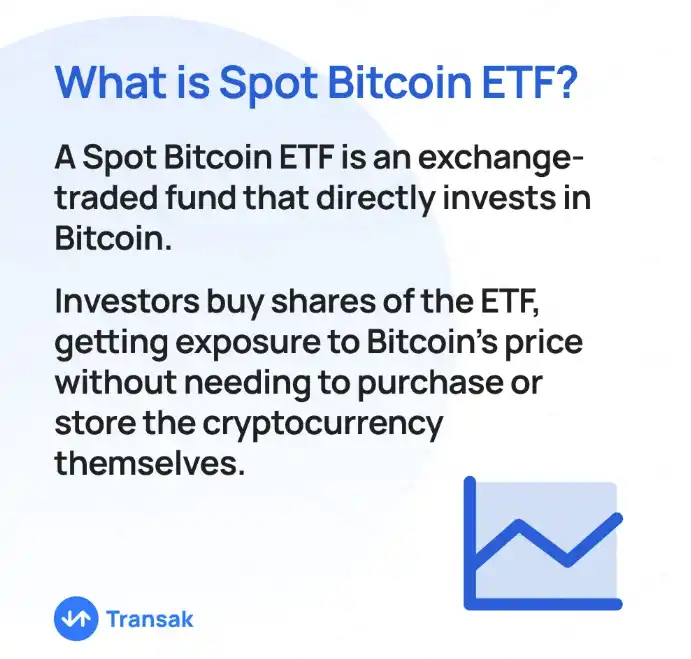
David Namdar: The problem was that at the time, the market was still too early, people didn't see the opportunity, and instead were too concerned about Bitcoin as the underlying asset for our attempted Total Return Swaps. Another obstacle was ISDA. This is an internationally recognized standard derivative contract, and banks were reluctant to engage in these ISDA agreements with a small start-up company.
If SolidX could have become a public company earlier at that time, assuming the market environment and opportunities allowed, then these issues might have all been resolved, and SolidX might have successfully brought the product to market.
Turning back to Galaxy Digital, as we contemplate this company's positioning in trading, investment banking advisory, and other businesses, and the various sectors it could expand into in the future, we realize the need to have public market credibility while being able to leverage public market capital to drive business growth.

David Namdar: Today, nearly a decade later, we see more and more companies able to raise significant funds in the private markets. However, at that time, whether for market validation, attracting clients and doing business with large institutions, or raising capital through the public markets, both of these were key drivers behind our decision-making.
Lex Sokolin: Next, could you reflect on the following years, especially the situation in the U.S. public markets? I'm interested in exploring how the market's attitude has evolved from fintech to digital assets, then to cryptocurrency and DeFi. The comfort level people have in holding and operating assets, intergenerational differences, and overall market sentiment towards these assets in the U.S. public markets. This is a significant question, and what comes to my mind is the SPAC frenzy of 2021 and 2022, the wave of fintech companies and IPOs, and the early crypto exchanges and brokers attempting to go public. Can you outline the evolution of the U.S. capital markets regarding this asset class and related areas?
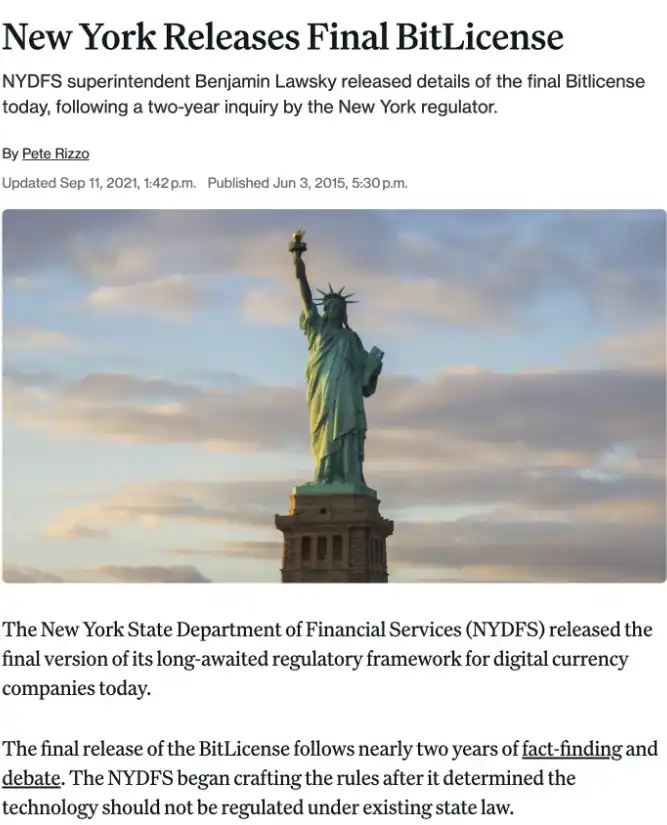
David Namdar: Absolutely, I would love to delve into that topic. I remember our first meeting was probably between 2016 and 2018, a period when the market was at a crucial stage of evolution. Unfortunately, one of the core factors hindering this progress was the heavy regulatory environment. Many industry insiders, including myself, believe that the regulatory BitLicense introduced by the New York Department of Financial Services (NYDFS) and the policies of Ben Lawsky significantly slowed down and hindered innovation, causing many crypto companies and capital to avoid New York and even the U.S. This impact was very evident in 2017, 2018, 2019, and can arguably be said to persist until today.
During the ICO frenzy of 2017 and 2018, indeed, some companies, such as Galaxy, and some mining companies managed to go public, but the overall environment remained challenging.
David Namdar: The situation at the time was that Bitcoin and Ethereum had almost become the "fundraising currency" for the entire digital asset world. People had to buy Bitcoin or Ethereum to participate in various ICOs and the projects constantly emerging in the crypto ecosystem. As a result, many companies that raised a significant amount of Bitcoin during ICOs chose to hold onto these Bitcoins, and as the price of Bitcoin rose, their unrealized gains increased as well, with Ethereum following a similar trend.
Therefore, ICO projects and funded companies essentially became speculators on the underlying assets. As more and more people bought Bitcoin and Ethereum to participate in these projects, and as these projects appeared profitable on paper, a "reflexivity" effect emerged, further driving the market up. Most of these activities occurred in the private markets, with little to no similar occurrences in the public markets.
Around 2021, with the DeFi frenzy, the situation began to change. People were no longer entering the crypto world solely through Bitcoin and Ethereum; instead, various new channels emerged, allowing investors to invest through stablecoins.
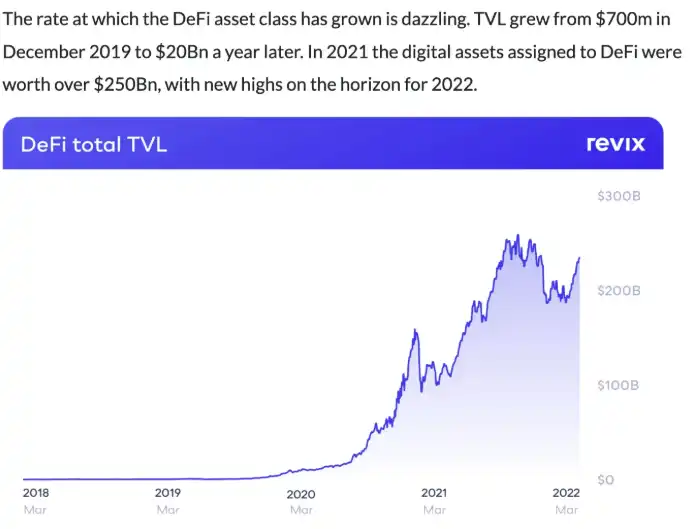
David Namdar: At that time, Tether's scale started rapidly expanding, Circle also gained popularity, and other large crypto assets rose as well, providing pathways for people to enter the crypto world through these channels. Simultaneously, a similar leverage effect emerged in the market: new projects incentivized users to lock up tokens or assets by offering returns, requiring them to stake Bitcoin, Ethereum, or stablecoins into these new protocols.
However, one core issue was that many of these so-called "returns" were, in fact, inflation disguised as returns. If you and I launch a project, hold 50% of the token supply, sell 10% to the market, and retain 40% as a reward, then as users gradually receive this 40% through "returns," we early holders continuously sell tokens to new buyers while they wait for returns.
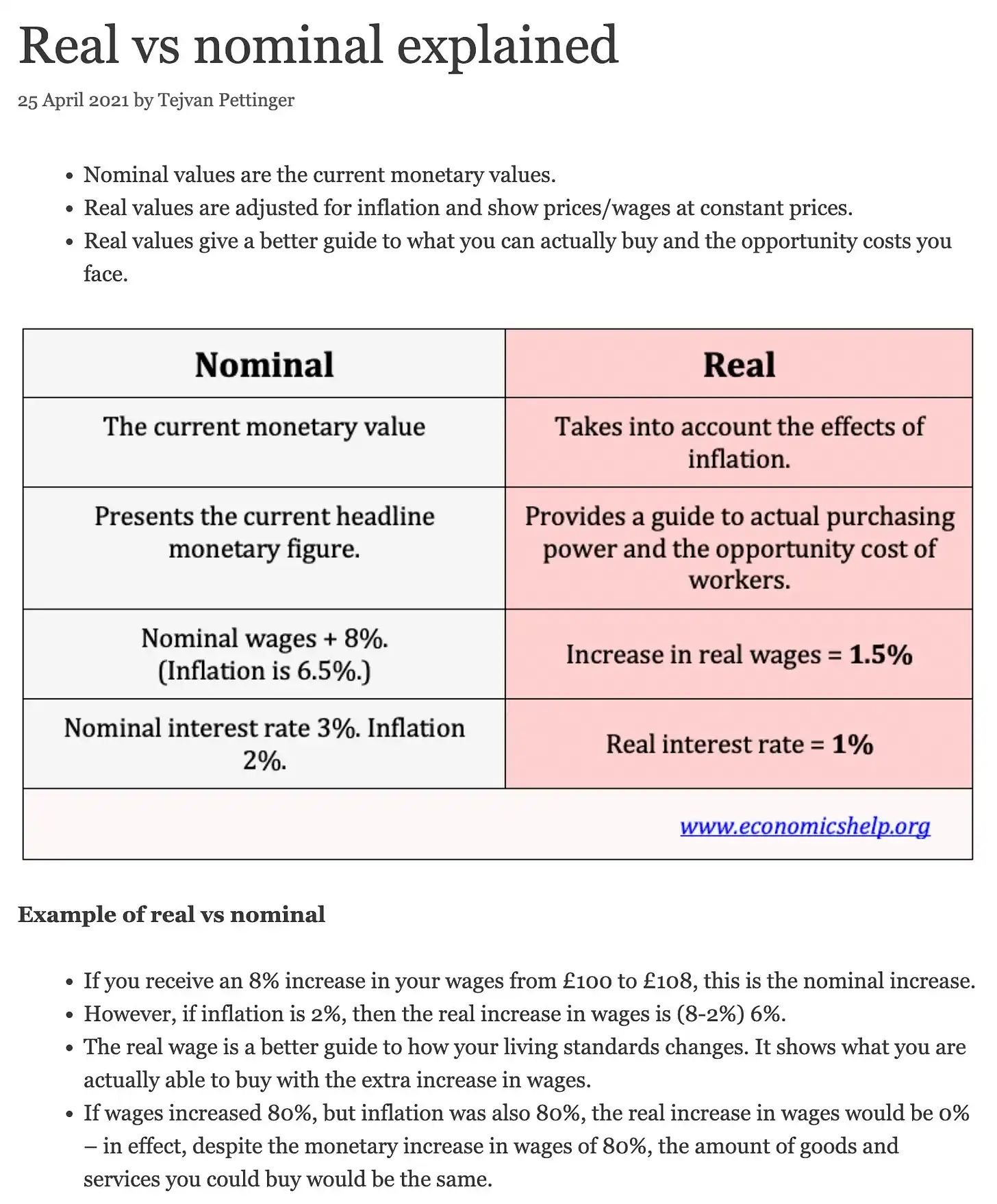
Lex Sokolin: I have to interject because this has always amazed me. High school Economics 101 talks about the difference between nominal and real interest rates, and I feel that if people truly understood the difference between nominal returns and real returns, many crypto projects might not even exist.
David Namdar: I think this is one of the fascinating aspects of the crypto market for me. Whatever industry people came from before, once they enter the crypto space, they have to grow and evolve. For example, if someone comes from a hedge fund or traditional market background, they suddenly need to learn about early-stage tech investing, understand the global regulatory environment, and grasp technology in an entirely new way. If they are a lawyer, they not only need to know the law but also understand the market, early and late-stage investing, and even dive deeper than ever into security and tech.
This kind of cross-disciplinary learning is positive, but at the same time, each cycle brings a lot of misunderstandings about economics, with many people unable to distinguish what is true technological innovation, what is just hype, or purely marketing.
Lex Sokolin: This also raises a question: post-pandemic, the U.S. public markets' attitude toward crypto and fintech companies. After two years of lockdown, everyone is online, speculative sentiment is high, everything is digital, business is fully pivoting to Amazon instead of physical stores. People were ready for these changes, you even saw the Reddit retail trader army of GameStop appear, there was a lot of capital waiting to deploy in the market, but then all of that quickly disappeared. What happened?
David Namdar: During this period, GameStop and Reddit's frenzy overlapped with the excitement in the crypto market. I remember Coinbase's IPO, the buzz and momentum at that time were almost identical to Robinhood's IPO.
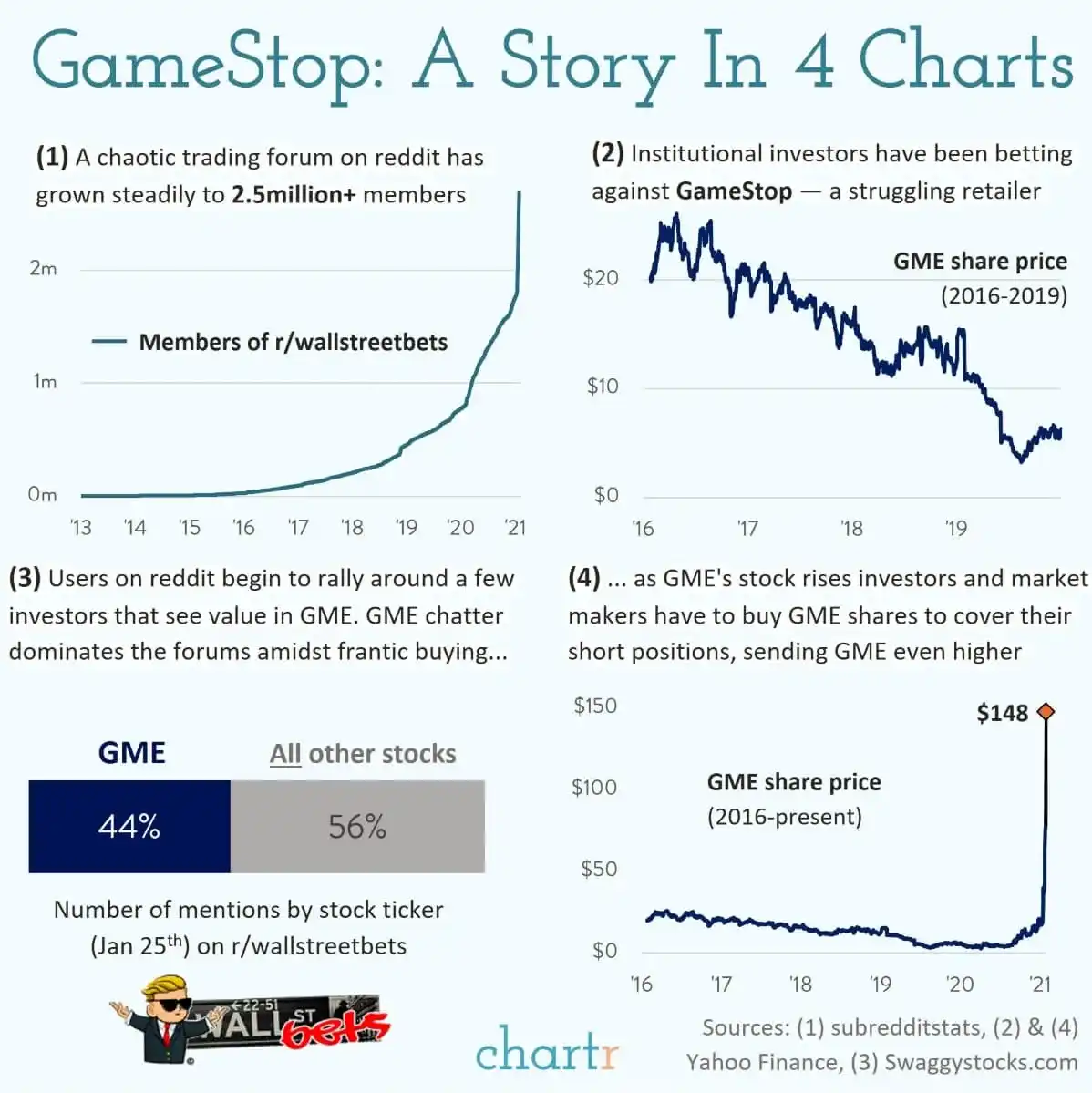
David Namdar: All of this eventually came together. I think, the most significant point during that period was that, besides the crypto market, it was actually the first time retail traders truly attempted to take control in the capital markets, gaining a bigger investment voice. And in the crypto market, there was a similar trend, as part of a longer-term, grander vision—to remove intermediaries, take control of personal finance, achieve financial sovereignty, and idealize the future form of currency and finance.
But the reality is, they still faced trading fees, regulatory barriers, and obstacles in market structure. Many even believed that this game was still "rigged." If I remember correctly, at that time, Robinhood, under pressure from the behind-the-scenes funding and institutions, repeatedly paused the buying of some popular meme stocks and concept stocks.
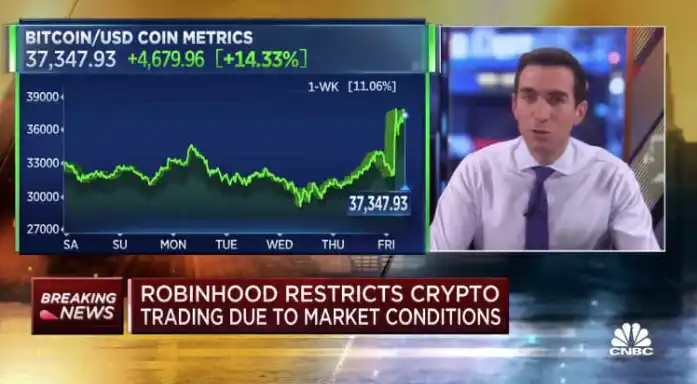
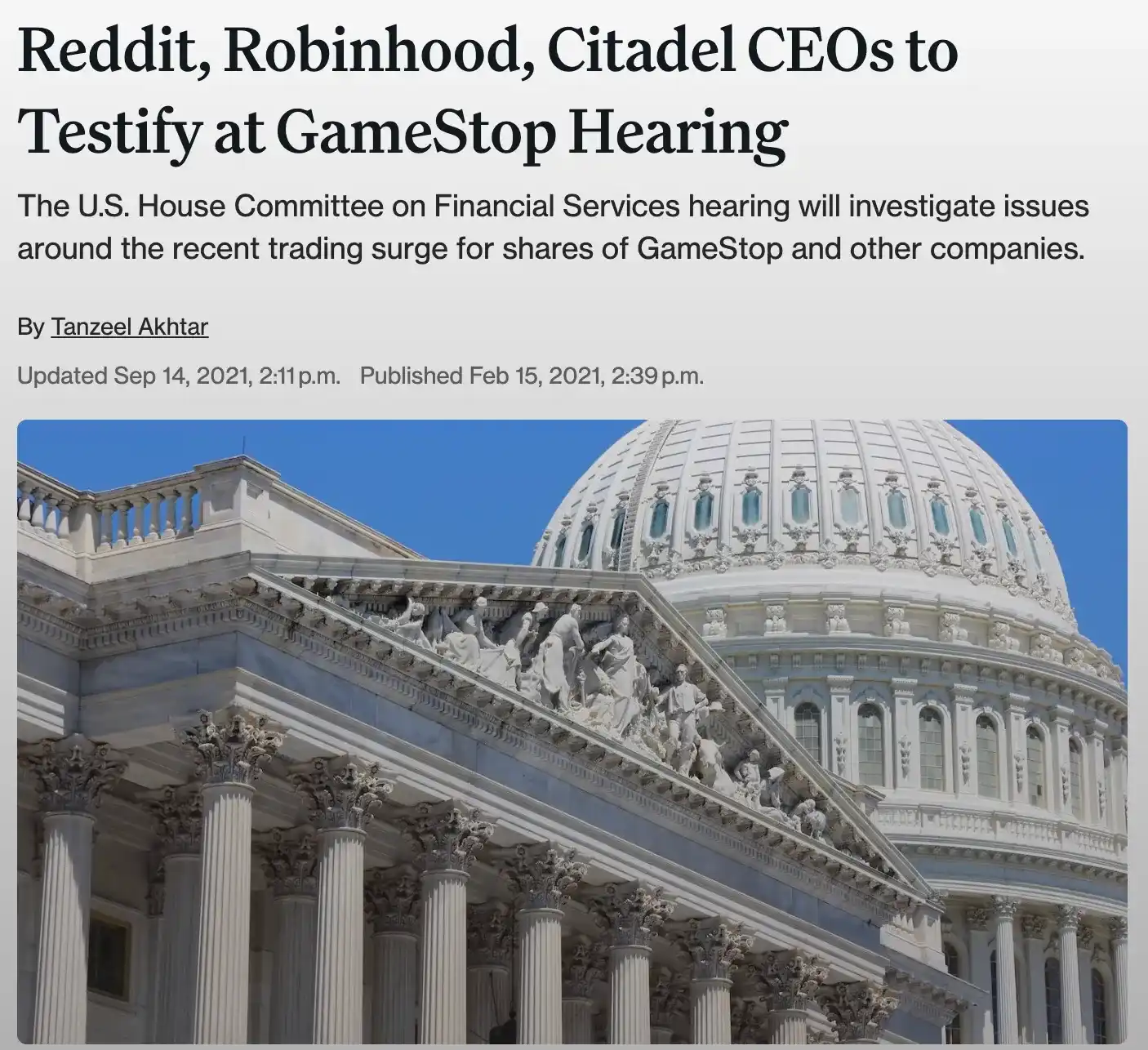
David Namdar: Although that event led to a brief market crash, it also further strengthened people's confidence in the crypto market because in the crypto world, there is no situation where large institutions manipulate the rules of the game.
Digital Asset Treasuries
Lex Sokolin: Next, let's talk about Digital Asset Treasuries. First, define what they are, how they came about, and then discuss the current market landscape.
David Namdar: To explain this concept, we need to take a step back. I usually start with Michael Saylor, but this time I want to go back even further. In fact, a couple of companies in the early days started this trend, and I still keep in touch with some of them to this day, such as Charles Allen, who used to run BTCS, a company that has now transformed and is seen as a representation of the Ethereum treasury.
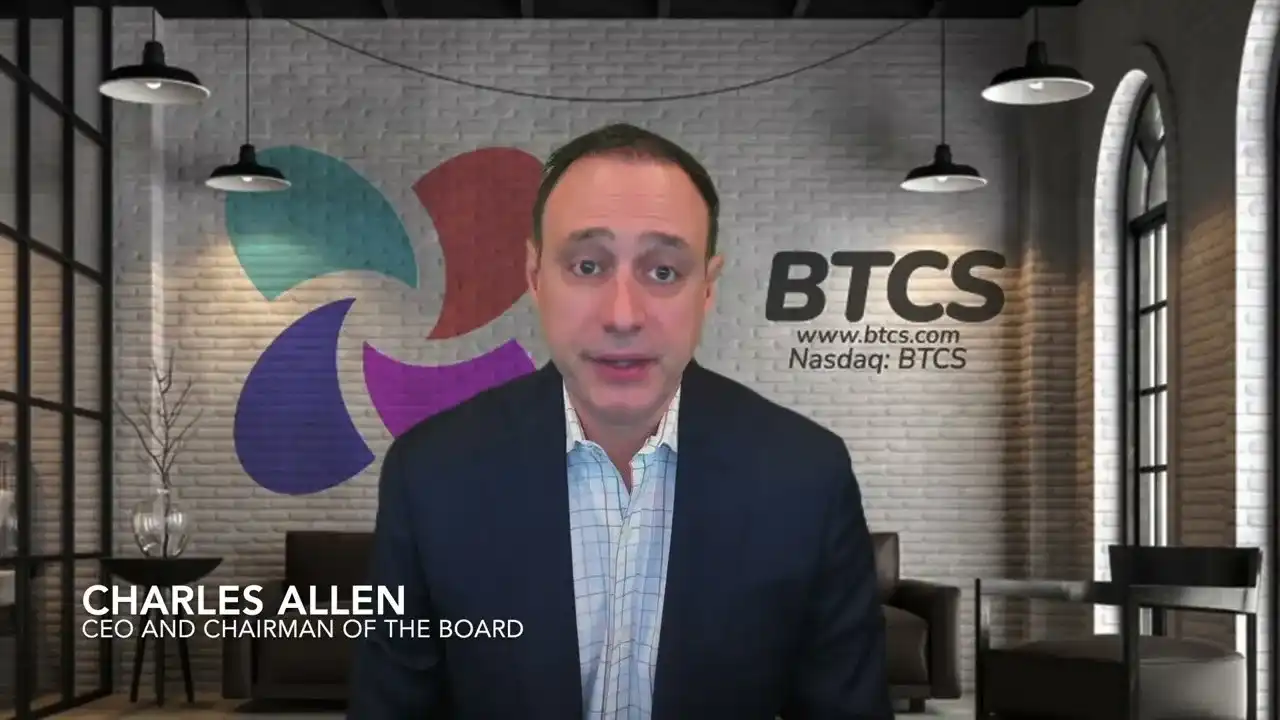
David Namdar: It went public in 2014 or 2015 and was one of the earliest publicly traded companies to hold digital assets on its balance sheet. In contrast, other mining companies usually sell immediately after mining Bitcoin or Ethereum to cover expenses, with the remaining amount recorded as revenue.
Going back five years ago, let's talk about Michael Saylor's story. He spent most of his career running a traditional tech company focused on software, but the company's growth was stagnant, yet it had about $400 million in cash on the balance sheet. Later, he was convinced to believe in the value and potential of Bitcoin, and there is an interesting story behind this: as far as I know, he sold the domain name voice.com to Brendan Blumer — who was a key figure in Block.one and the EOS ICO. When Saylor saw that this transaction amounted to $30 million, he realized that there must be a greater opportunity in the crypto world.
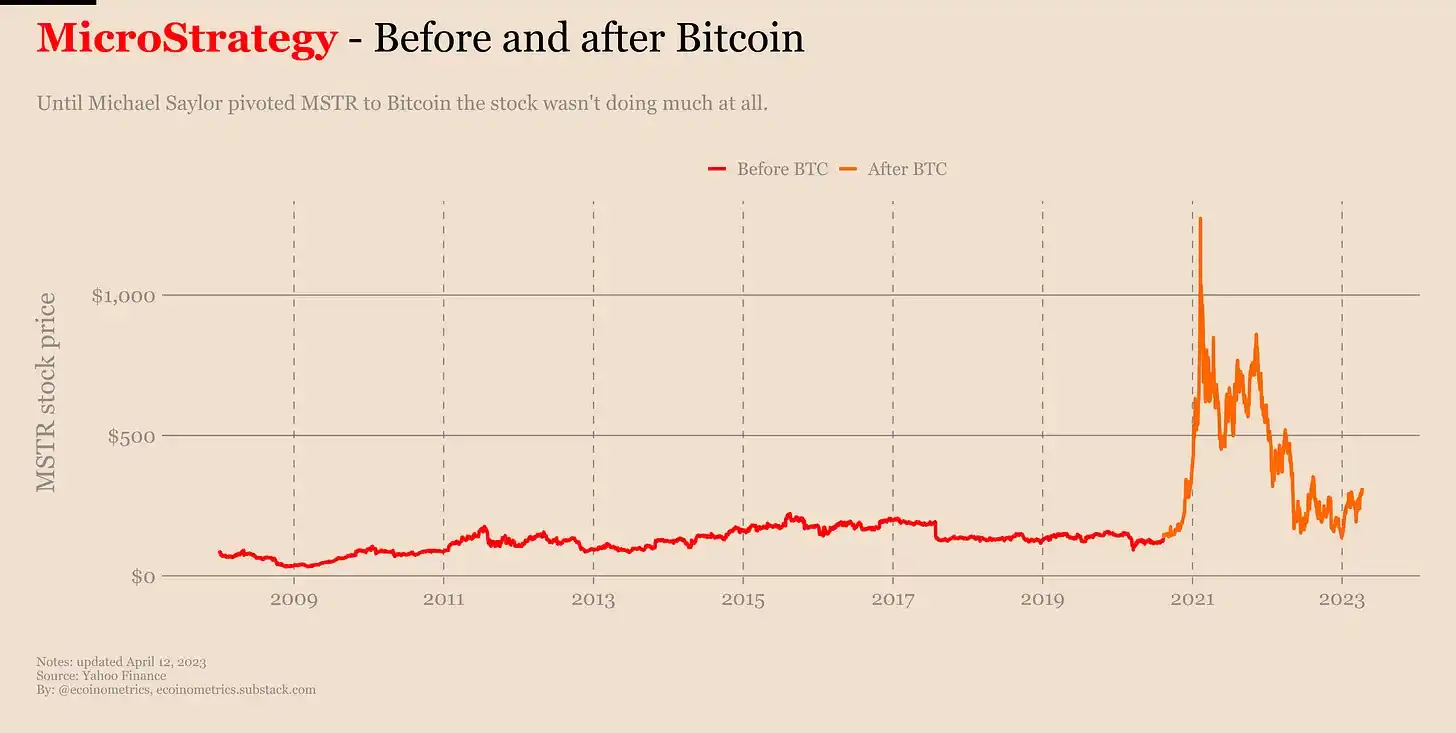
David Namdar: His idea at the time was: "If these people in the crypto circles can have so much capital, then there must be an opportunity here." This made him rethink the potential of Bitcoin and eventually go all-in, in an incredible way. He converted all of the company's $400 million cash into Bitcoin, believing that Bitcoin is more powerful and robust than fiat currency. He fiercely debated with the board of directors about this, overcoming various regulatory obstacles. In the end, when he started buying Bitcoin, the company's stock price rose, the market reacted positively, and investors were very excited.
Subsequently, he kept selling more shares at a premium, using the proceeds to buy Bitcoin, creating a "sell stocks, buy coins" cycle. Furthermore, he issued convertible bonds and other financial products, with the sole purpose of accumulating more Bitcoin. This process actually initiated the financialization of Bitcoin.
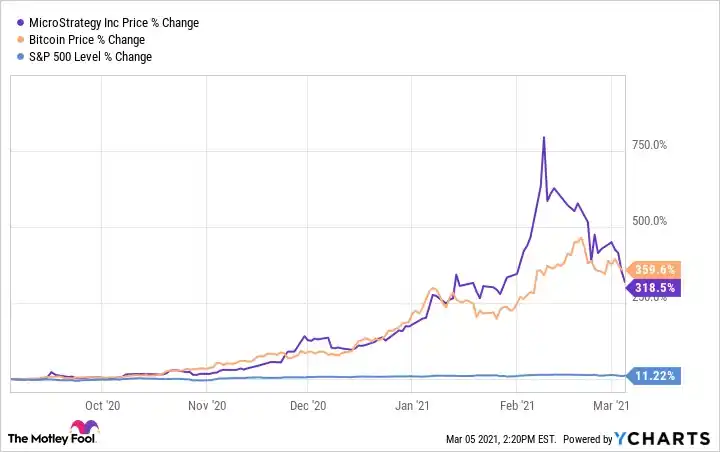
David Namdar: Over the past five years, he has successfully accumulated over $75 billion worth of Bitcoin, and the company's market value has now exceeded $100 billion. Due to his achievements and holding 3% of the global Bitcoin supply, this strategy quickly sparked imitation and became an industry trend.
He not only executed himself, but also actively promoted the idea, hosting the 'Bitcoin for Corporates' event to teach corporate finance officers, CFOs, and small business owners about the advantages of Bitcoin compared to fiat currency. He even entered large publicly traded companies and private enterprises, popularizing the concept of a digital asset treasury.
Over the past year or two, this trend has not only spread in the United States but has also expanded to multiple global markets. Currently, there are over 100 digital asset treasury companies focusing on Bitcoin accumulation, with over a dozen companies beginning to realize that holding other key crypto assets is also valuable.
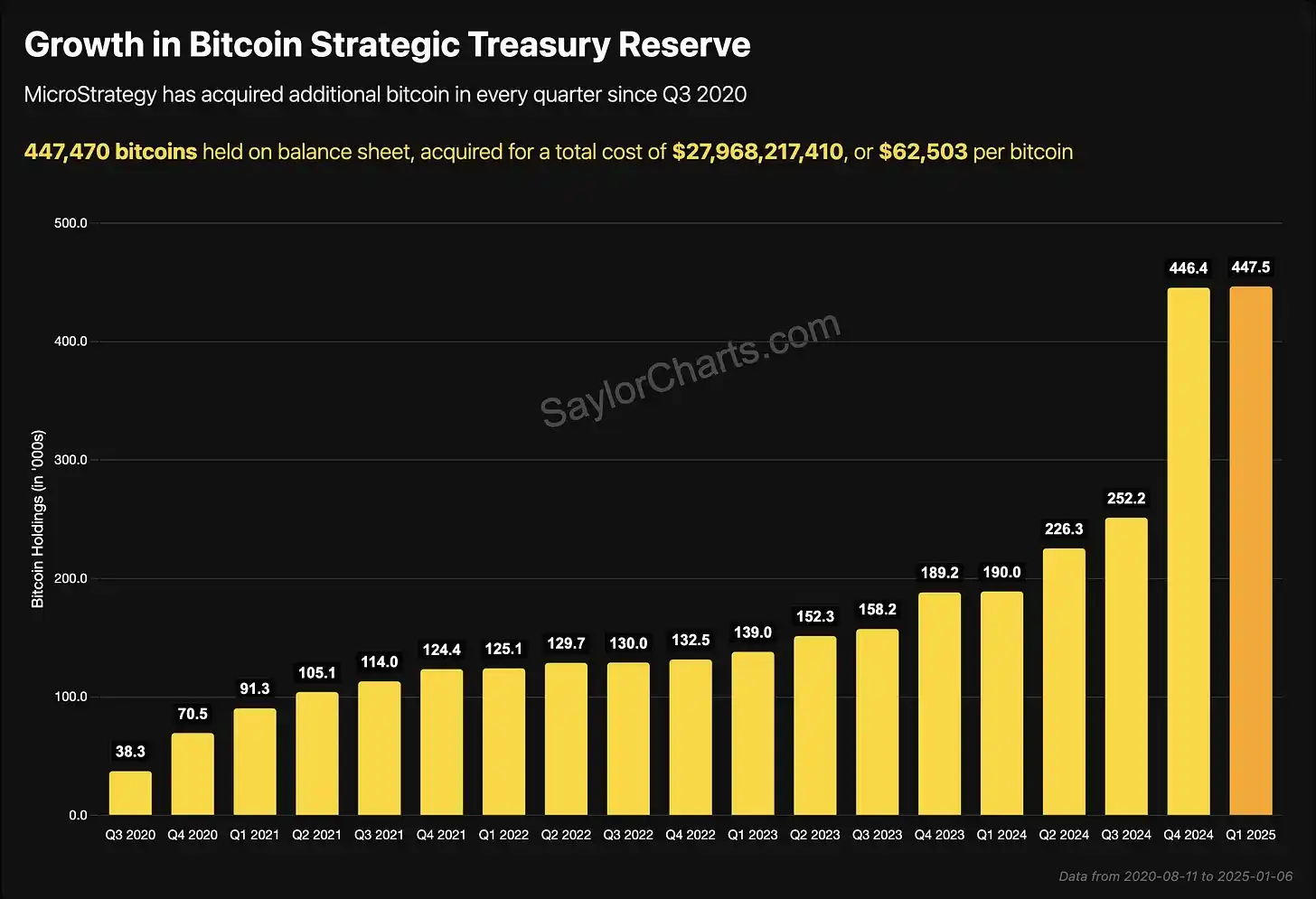
David Namdar: Now, he has accumulated over $75 billion worth of Bitcoin in the past five years, with a company valuation exceeding $100 billion. Due to his successful control of approximately 3% of the global Bitcoin supply, this strategy quickly sparked imitation and became an industry trend. He not only executed himself but also actively promoted, hosting the 'Bitcoin for Corporates' event to teach corporate finance officers, CFOs, and small business owners about the advantages of Bitcoin compared to fiat. Today, this trend has spread not only in the United States but also expanded to multiple global markets. Currently, there are over 100 digital asset treasury companies focusing on Bitcoin accumulation, with over a dozen companies starting to expand into Ethereum, Solana, and even other core crypto assets like BNB.
Lex Sokolin: Going back to Michael Saylor's operations, especially the early premium of market cap relative to net asset value, what financial instruments did he use to achieve such rapid growth?
David Namdar: Of course. Early on, I was not sure when he started using convertible bonds specifically, but what is certain is that during 2021 and 2022, his business did face some vulnerability. I remember he even borrowed money on-chain through DeFi products because at that time the market was watching his Bitcoin liquidation price, and if it fell to $3,000 or $5,000, he might have to be liquidated.
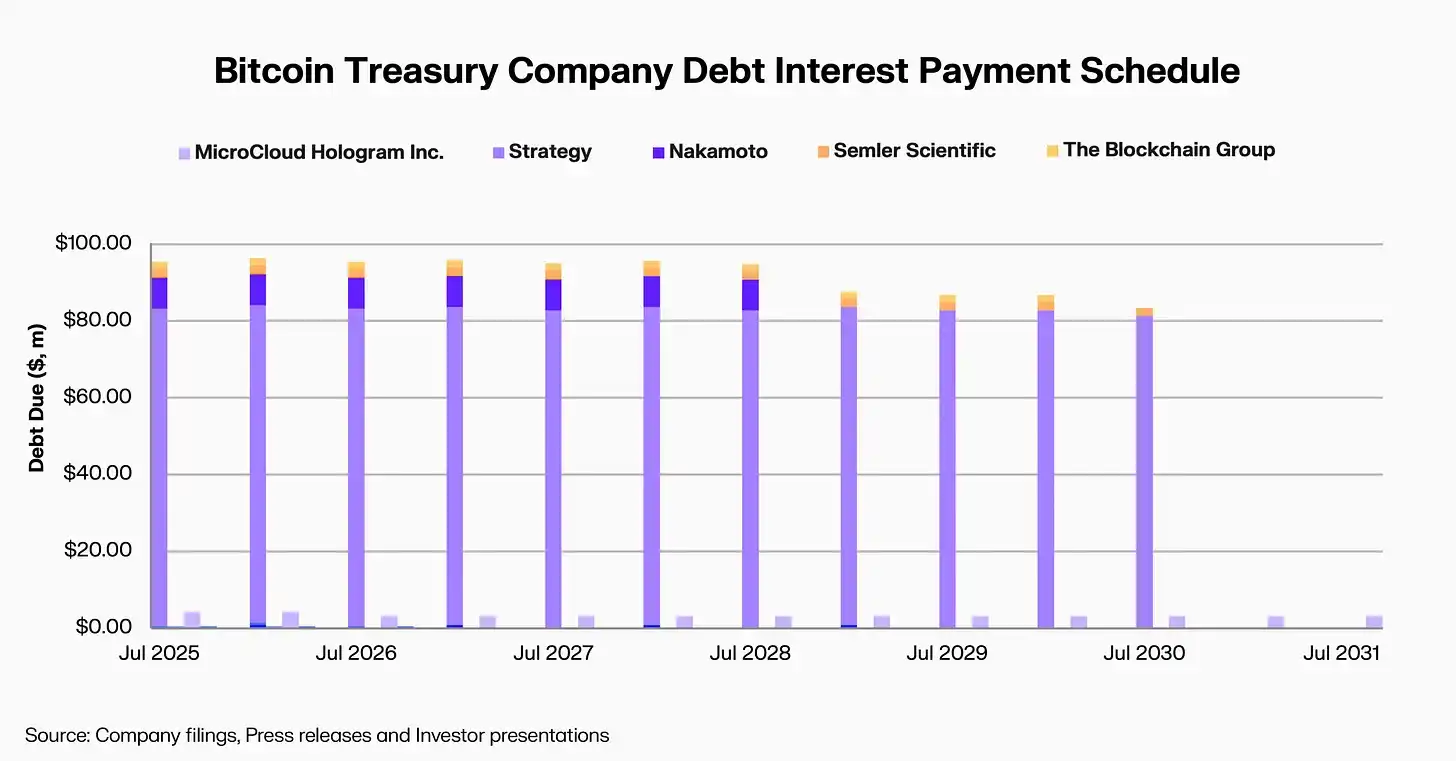
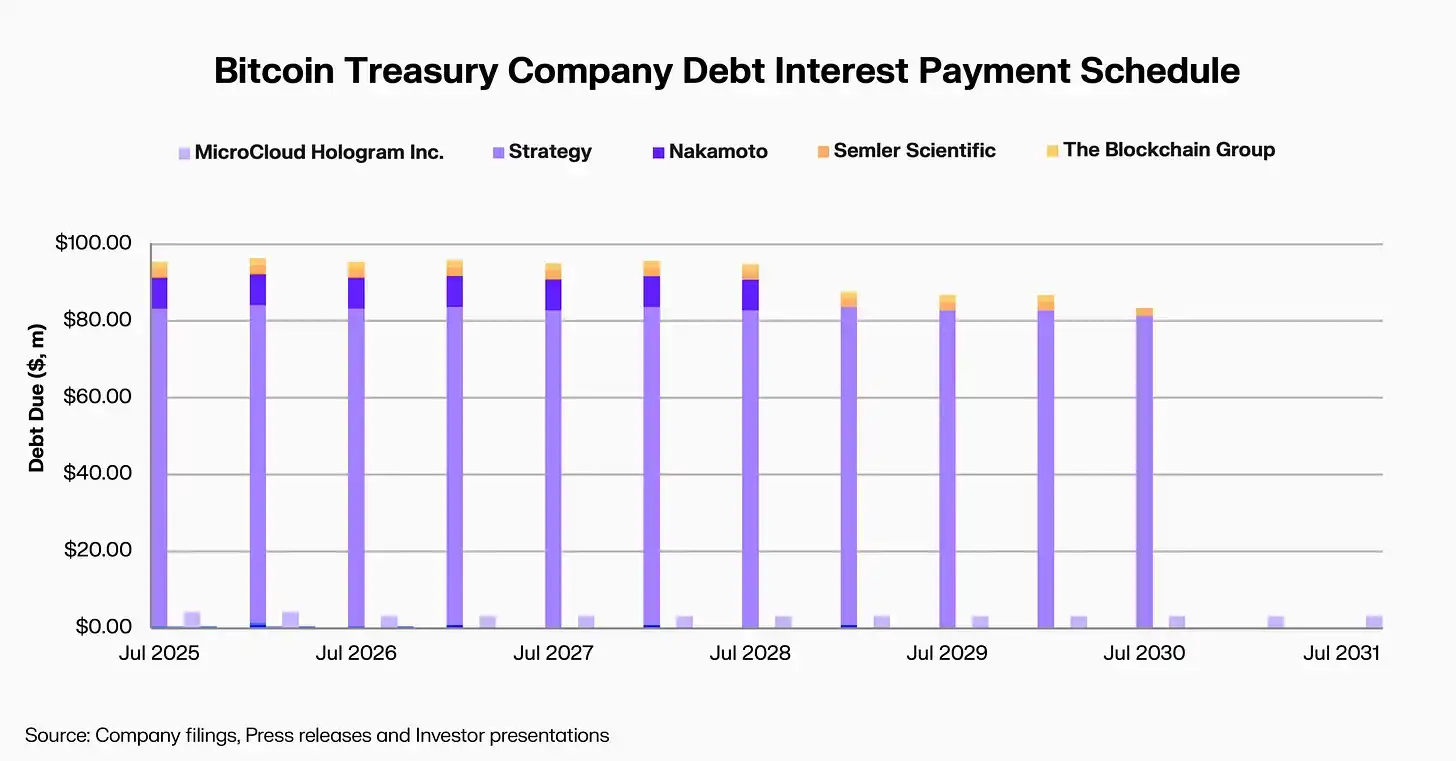
His strategy included using an ATM (At-the-Market) issuance mechanism to sell stocks at a premium when the stock price was high, and this premium duration far exceeded market expectations, usually 70% to 100% higher than the book value of his held Bitcoin. Additionally, he was a pioneer in driving the 'financialization' of Bitcoin, issuing multiple convertible bonds. As the balance sheet expanded, he even obtained very favorable debt terms and issued preferred stock.
His logic was straightforward: Bitcoin's annual growth rate is 20% to 30%, or even higher, making it one of the fastest 'horses' globally. He believed that as long as he could borrow fiat currency at 0% or 5% interest, it was worth doing so and holding as much Bitcoin as possible. This strategy has been extremely successful to date.
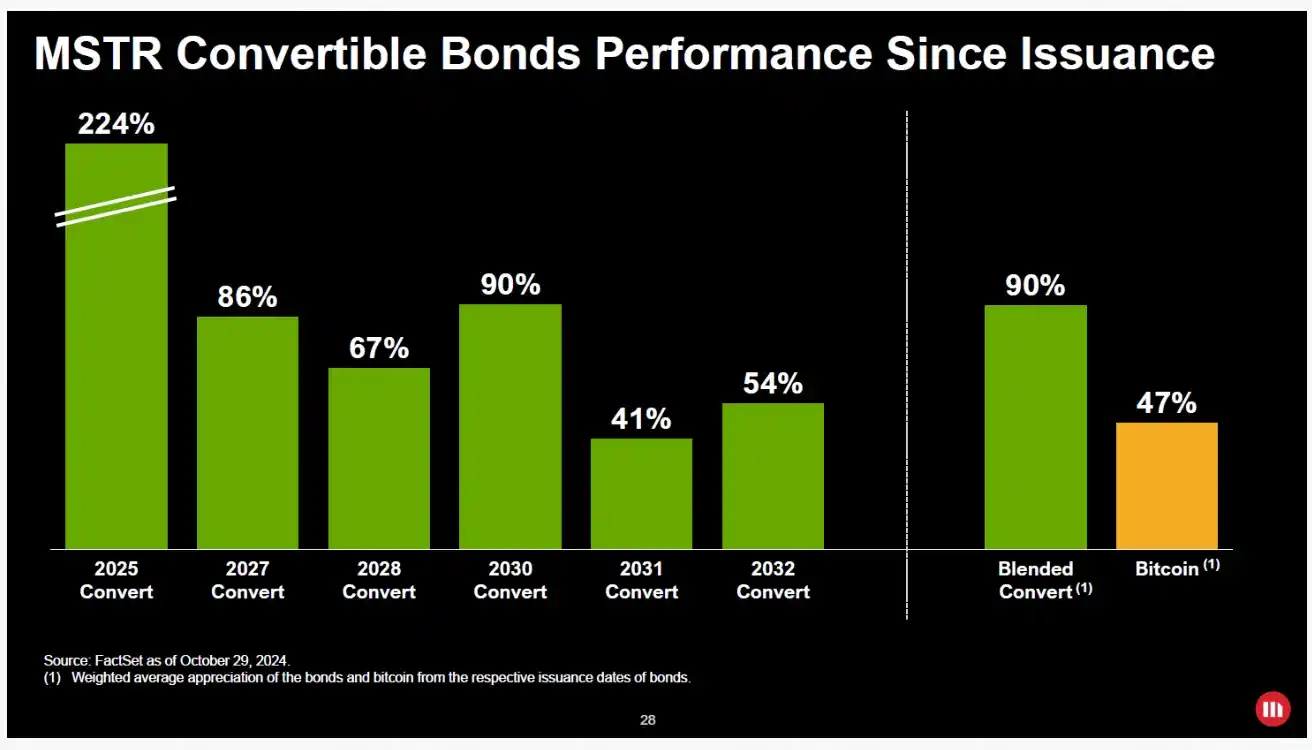
David Namdar: Looking at the current landscape of digital asset treasury companies, some enterprises have also tried using convertible bonds. However, many companies are now gradually moving away from this approach to avoid any structures that could pose a risk to their balance sheet. One reason is that the conditions proposed by today's convertible bond investors are much stricter than the terms Michael Saylor obtained back in the day.
These convertible bond investors do not care about what the underlying asset is, whether it's Bitcoin, Ethereum, or other crypto assets; they only care about their claim on the asset. Moreover, they often have an incentive to hedge their risk exposure by shorting the stock.
Therefore, I believe that in the future, we will see these treasury companies reduce their use of convertible bonds and instead explore more rational financing mechanisms to ensure alignment of interests among all investors and avoid structural conflicts.
Lex Sokolin: Why do you think MicroStrategy's premium has been able to sustain for so long?
David Namdar: That's a good question. I think, first of all, he has been very successful in telling this story, and the market believes that he has the ability to continuously accumulate Bitcoin and increase the amount of Bitcoin per share, which is crucial to investors. As an investor myself who has been following this space, I have intermittently invested in MicroStrategy over the past few years, as well as invested in MetaPlanet, and now I've invested in some new companies in this cycle. My investment logic is to choose companies whose management teams can continuously increase the per-share holdings of Bitcoin, Ethereum, or BNB, and these teams will exist in the industry for the long term, rather than take advantage of market hype for short-term gains.
Lex Sokolin: Can you talk about the price dynamics in the past 6 to 12 months? I know we will soon talk about Binance and the debt issuance you led, but before that, I'd like you to elaborate on what happened between May and October this year.
David Namdar: The start of this year's debt financing boom was mainly driven by two cases: MetaPlanet in Japan and Nakamoto based in Puerto Rico, founded by David Bailey. Among them, MetaPlanet's performance was the most eye-catching, being arguably the world's most successful Bitcoin treasury company, second only to MicroStrategy. They took advantage of the unique benefits of the Japanese market—holding Bitcoin through a publicly listed company is more tax-efficient than individuals holding it directly. With this advantage, MetaPlanet once achieved a premium similar to MicroStrategy's, ranging between 50% and 100%.
David Namdar: At that time, they held approximately several hundred bitcoins on their balance sheet, worth about $700 million. Subsequently, the market realized that rapidly introducing Japanese capital into the crypto space through the public market was a shortcut. Meta Planet's stock price quickly surged, reaching a premium of 400% to 500% at one point. Seizing the opportunity, the company issued more shares, significantly increasing the bitcoin holdings per share, ultimately accumulating bitcoins worth billions of dollars.
In the United States, Nakamoto Corporation was founded by David Bailey, one of the earliest known bitcoin holders I know, earlier than Michael Saylor and even earlier than almost everyone active in the industry today. He had founded Bitcoin Magazine and BTC Inc. and was one of the main investors in Meta Planet.

David Namdar: He basically followed MicroStrategy's strategy and incubated some bitcoin treasury companies globally. Subsequently, he established his own Nakamoto, which truly made the market realize the opportunity. He was very successful in raising awareness and funding—initially planning to raise $200 million but ultimately raising over $700 million. This move directly triggered the wave of bitcoin treasury companies.
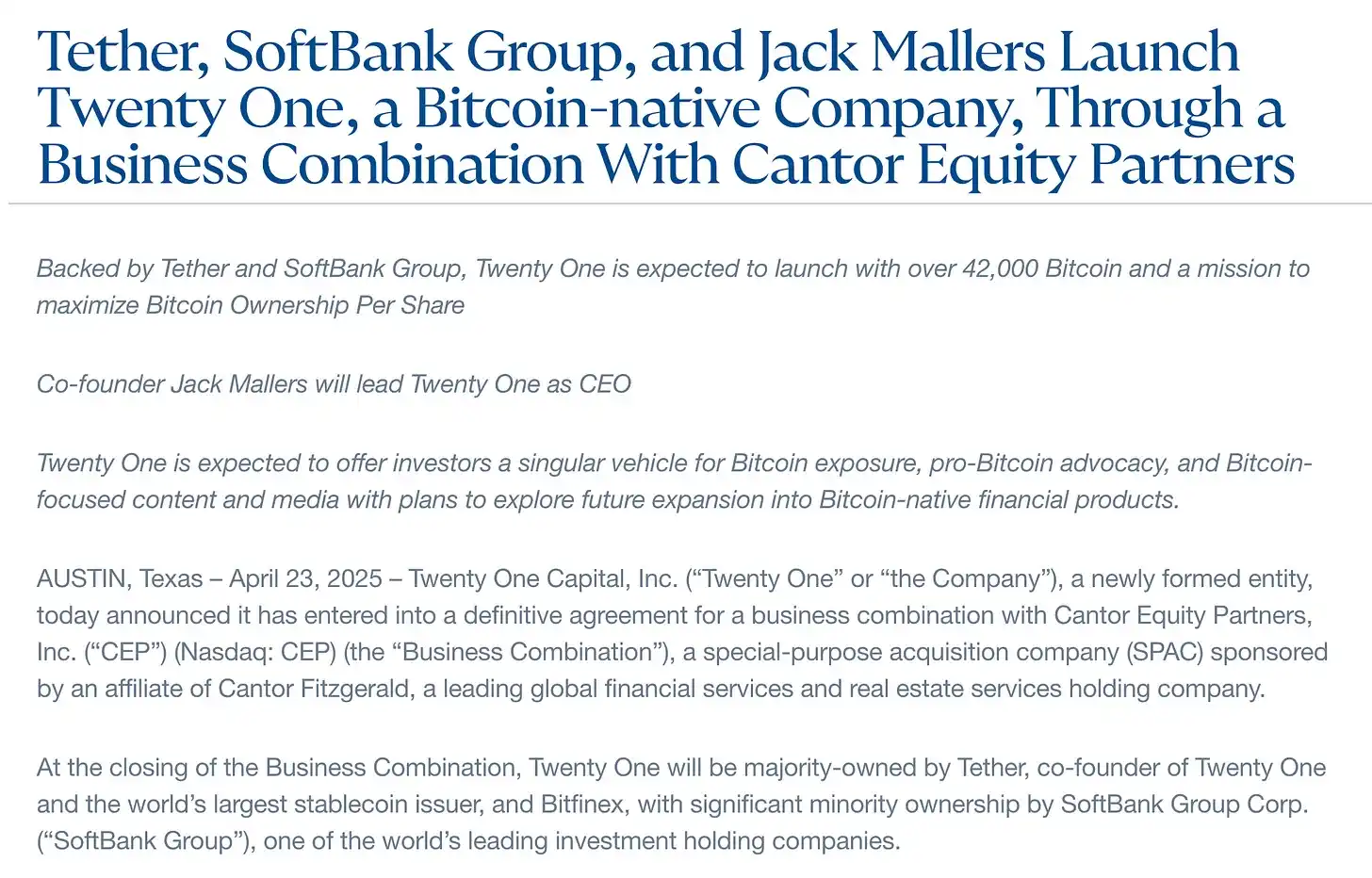
We saw Anthony Pompliano, Vivek Ramaswamy's Strive Asset Management, and other teams taking different paths, some through acquiring existing companies, some through the SPAC mechanism. There was also a $121 million financing completed by Jack Mallers in collaboration with Cantor and Tether. Various strategies emerged in the market.
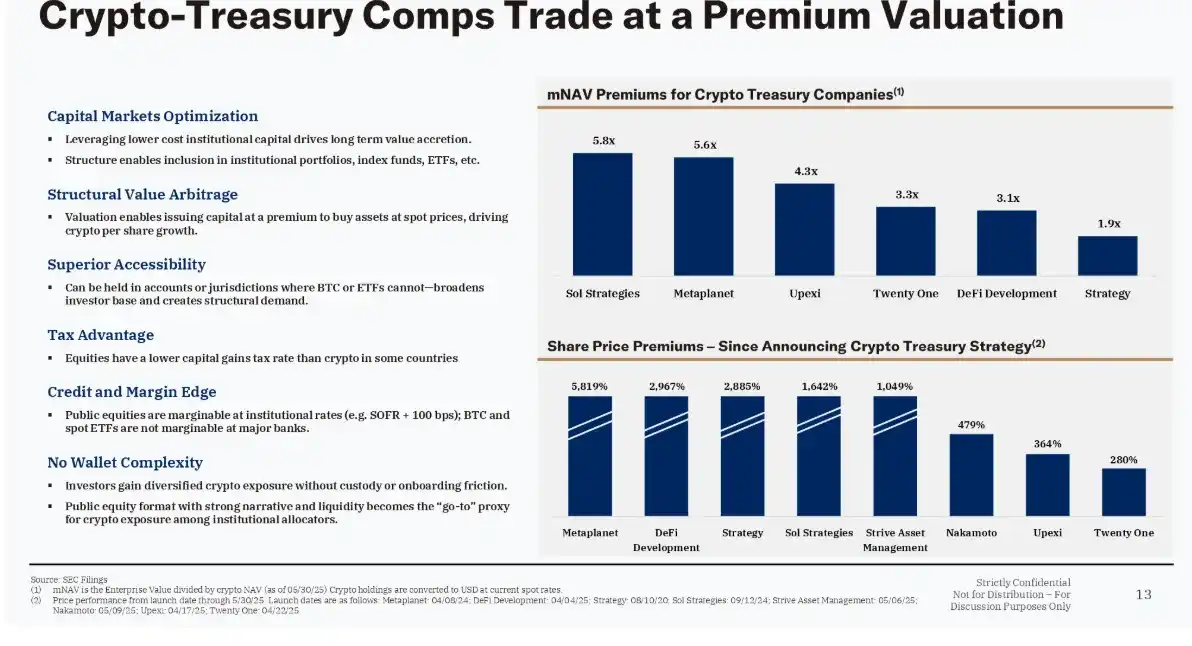
At that time, everyone's core logic was: you were investing in a "pipeline" or a company issuing near its Net Asset Value (NAV). If the market premium continued to exist, then in a short time frame, you had the opportunity to achieve a significant or even substantial return because the public market would grant these treasury companies a premium, thereby driving the entire flywheel effect.
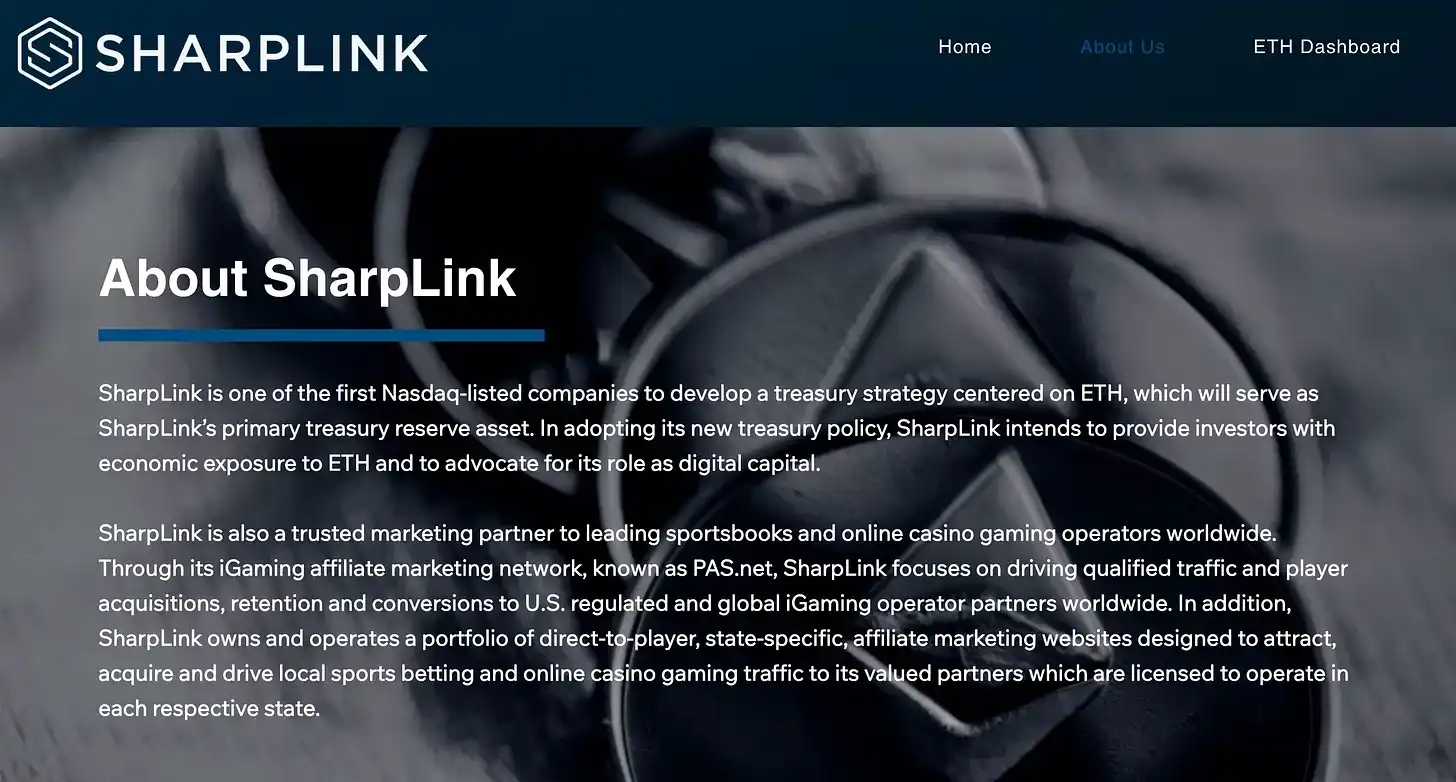
David Namdar: That was the initial logic and the reason that excited the market at that time. Subsequently, we saw two Ethereum treasury companies enter the market, the current largest being Sharp Link and Bitmain. Bitmain itself is an existing player in the industry, while Sharp Link was originally a gambling company later acquired by Joe Lubin, co-founder of ConsenSys and one of the founders of Ethereum.
They successfully conveyed a vision to the market: Ethereum is an incredibly promising asset. At the same time, Wall Street capitalized on the momentum and enthusiasm around the stablecoin theme following the successful Circle IPO. Sharp Link seized this window of opportunity, sold shares at a premium, leveraged market hype, and in a short amount of time innovatively accumulated around $15 billion to $20 billion worth of Ethereum, creating significant value for early PIPE investors and shareholders.
David Namdar: Over the past few months, I've felt that the market is somewhat reminiscent of the ICO boom in 2017 and 2018. I've come to a conclusion: if there is a future inflow of $50 billion to $100 billion, around 25% to 50% will concentrate in the top five to ten companies, such as MicroStrategy, MetaPlanet, or 21 Pro, Pro Cap Nakamoto, and Link BMR. The next 25% will flow to two to three dozen mid-sized companies, and the remaining 25% will be dispersed among the long tail of 100 to 300 companies.
This distribution is very similar to the ICO era. Back then, there were also some surprising cases in the long tail projects, where some projects managed to raise $30 million or even $100 million, with some projects still existing today and developing into meaningful businesses, but many others disappeared.
The capital dispersion across these different tiers has led to investor confusion, and it has also entered a common phase in the crypto market: from enthusiasm and excitement to hesitation, concern, and even fatigue. I believe the market's exhaustion with "treasury strategy" is already evident, which is why many related companies are still trading at a premium to net asset value (NAV).
Why Choose the BNB Ecosystem
Lex Sokolin: Over the past few years, many different types of tokens and currencies have adopted a similar "digital asset treasury" model. In many cases, these treasury companies are taking over the role originally held by foundations. Today, as regulatory bodies and the political environment become more crypto-friendly, companies can directly drive protocol development in the form of a commercial entity, no longer relying on non-commercial foundations, grants, or cultural frameworks that are out of sync with the actual goals. While much of this context is familiar, I think it is very important.
Next, please discuss the Binance, BNB, and the key areas you are currently focusing on.
David Namdar: Of course. I think background is key. Only those who have truly immersed themselves in the crypto space or have personally experienced these hype cycles can understand where we are now and the reasons we've come this far. You just mentioned the current regulatory environment, which I believe is the most crucial element driving all of this. If the regulatory environment had been more robust in the early days, we might have had a Bitcoin ETF long ago, and even the Winklevoss brothers' ETF might have been approved. In that case, U.S. investors might have already earned between $50 billion to $200 billion from Bitcoin, and the U.S. market would have seen more innovation, more companies, and a more vibrant ecosystem.
David Namdar: Over the past year, this trend has also enabled some new crypto companies to successfully go public, including Circle, Gemini, and Bullish. I believe that more crypto companies will go public in the future. At the same time, we will also see more sensible regulations put in place to create more opportunities for existing U.S. crypto exchanges and some international exchanges to interact with U.S. users. Recently, CME or CFTC has released regulatory explorations considering allowing U.S. investors to access overseas crypto exchanges, which could be one of the most significant pieces of news in the next one to two quarters.
For me, regulatory issues have always been a focal point of concern. After Galaxy, I had the opportunity to serve as the CEO of FTX US, Binance US, or some publicly listed mining companies, but ultimately felt it was not the right fit. I didn't want to put all my energy into a single exchange platform or company. More importantly, the pressure from the regulatory environment could potentially drive me out of the industry entirely. I know someone who was running an exchange platform at the time and was ultimately crushed, even exiting the industry altogether.
Over the past few years, I have been more focused on making broad investments in the entire space, supporting some early participants who wish to sell their businesses or go public through IPOs or SPACs. In this process, the story of Binance and BNB has always been with me. After investing in these companies, some close friends told me, "Your experience in crypto and the capital markets is longer than many people, and your storytelling and 'treasury story' sales pitch skills are better than many management teams or even bankers."
David Namdar: Indeed, they wanted me to operate a Bitcoin treasury company in any global market. But when I thought about it seriously, I felt I couldn't tell the Bitcoin story with the same passion and conviction as Michael Saylor, David Bailey, or Simon from Metapan. Instead, I excel at discovering trends in the global crypto market, uncovering overlooked or underestimated opportunities, and helping people understand the true globalization of the crypto industry.
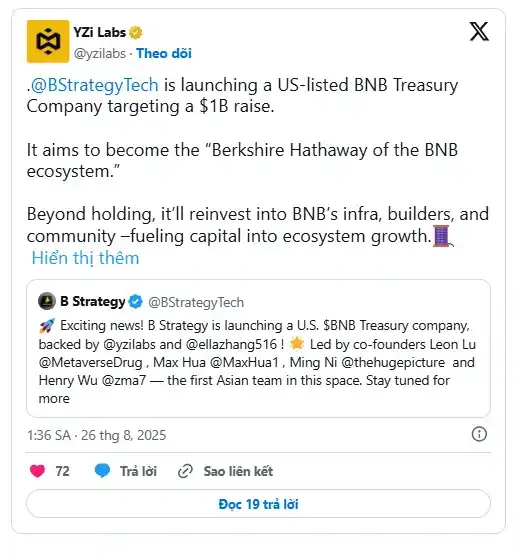
Therefore, running a Bitcoin treasury company didn't resonate with me, and I even found it challenging to wholeheartedly commit to. However, when I thought about running a treasury company focused on BNB, it felt like the perfect fit. In the end, driven by several close partners, I decided to accept this challenge. I am very grateful because over the past few months, this has become an exciting story. I believe that in the coming years, this will be a venture I am deeply passionate about and willing to fully engage in.
Lex Sokolin: Let's set the stage first: What is Binance? How large is its scale? What is its user base? Could you help us draw a comparison, for example, with companies like Coinbase? Additionally, what is the BNB token?
David Namdar: Binance is undoubtedly the world's largest cryptocurrency exchange platform. To give you an idea, according to its official website data, the user base has exceeded 290 million. In comparison, Coinbase's user base is roughly between 20 to 40 million, Kraken is around 10 to 20 million, and Gemini also falls within this range. In other words, Binance's scale may be 5 to 15 times that of Coinbase or other U.S. exchange platforms.
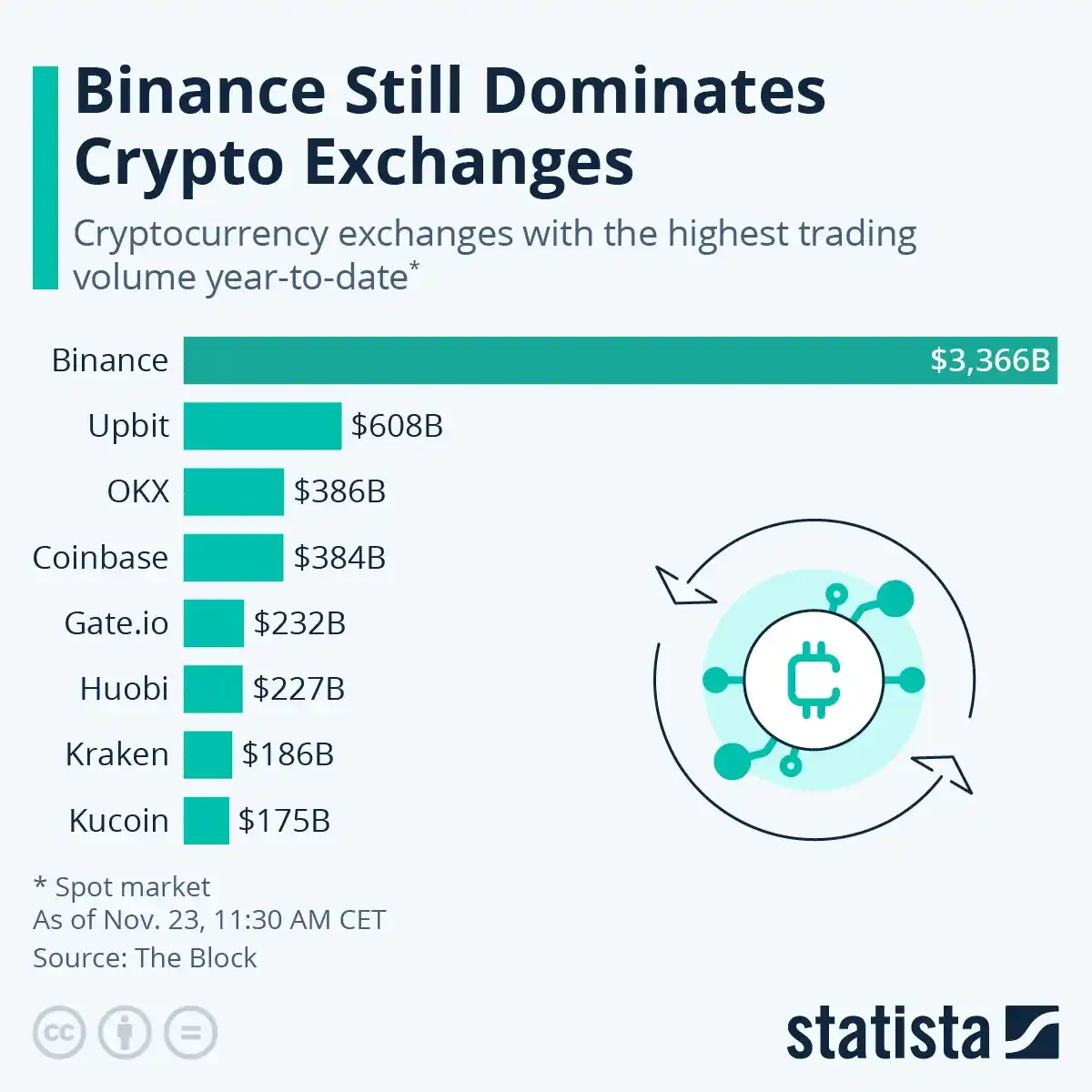
David Namdar: Binance is not only the world's largest cryptocurrency exchange platform, but its trading volume also leads by a wide margin on almost all trading pairs, accounting for nearly 40% of global cryptocurrency trading volume. Looking at it from a different angle, if we observe other industries, such as social media, search engines, or hardware, the leading companies like Facebook, Google, and Apple are U.S.-based companies, publicly traded in the U.S., with a large U.S. user base. However, in the crypto industry, the largest exchange platform, Binance, neither operates in the U.S. nor has U.S. customers.
If Binance could enter the U.S. market and attract U.S. users, its scale would be even larger. However, the current reality is that U.S. investors cannot invest in the equity of this company, and U.S. users cannot directly use its services. I can't think of any other industry where such a situation would occur: the world's largest company entirely outside the U.S. system.
Lex Sokolin: So, how does the BNB token work? How does it accrue value? And how does the Digital Asset Treasury (DAT) extract value from the token?
David Namdar: When Binance rose to prominence in 2017 and 2018, it pioneered the exchange platform token, which was different from Bitcoin or Ethereum. The initial purpose of BNB was to provide users with a trading fee discount. Some have pointed out that this is actually very accurate: to this day, trading remains the most successful and core use case in the crypto world. For some, trading means speculation; for others, it is value exchange or investment growth. After all, this asset class has grown from billions of dollars to around $4 trillion today, and the importance of trading is undeniable.
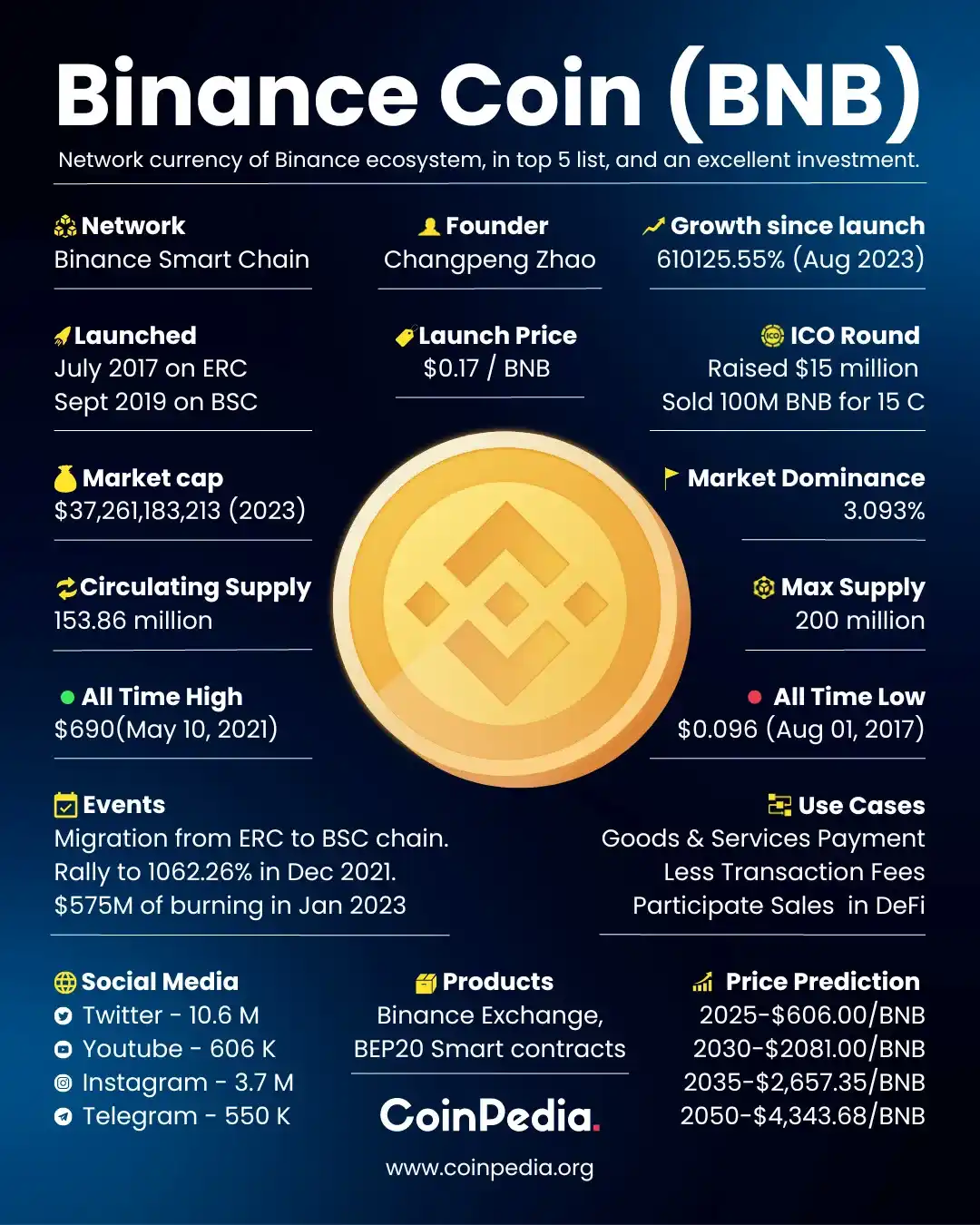
BNB was initially used to pay for trading fee discounts, then upgraded and migrated, evolving over the past five years into BNB Chain, forming a vibrant ecosystem that still maintains a close connection with Binance. It is estimated that about 80% to 90% of Binance's 290 million users use BNB to pay for transaction fees. From this perspective, BNB may be one of the most widely used cryptocurrencies globally, even though much of the activity occurs off-chain, but this is still a long-term positive for BNB. In addition, BNB also allows users to participate in other ecosystem activities such as airdrops, promotions, and rewards.
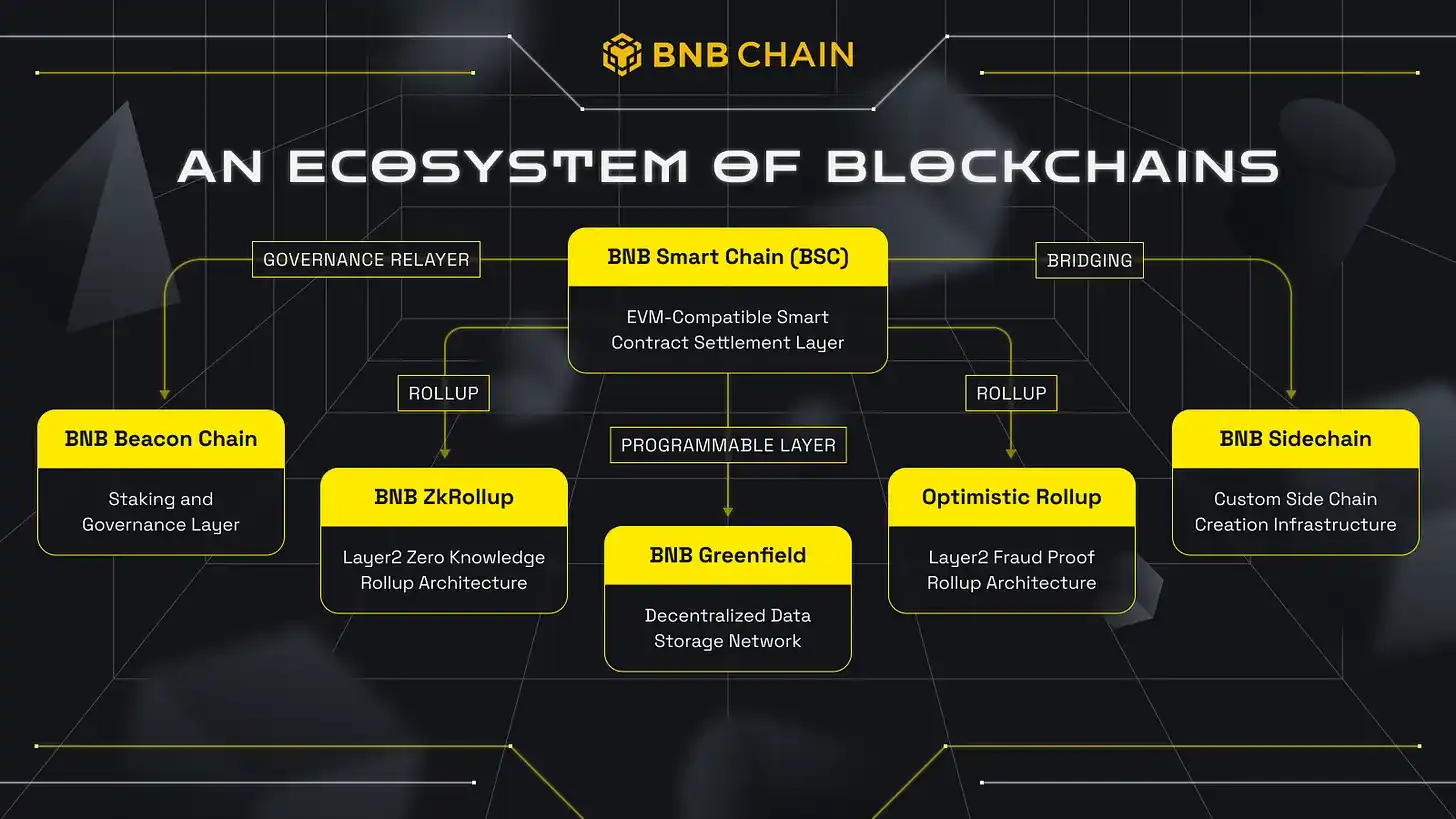
David Namdar: The value of the BNB token comes not only from the trading fee discount but also from its unique deflationary mechanism, which sets it apart from Bitcoin and Ethereum. In Ethereum, each transaction incurs a "Gas" fee, which ultimately goes to miners; whereas in the BNB ecosystem, each transaction triggers a small burn mechanism, reducing the total token supply. Furthermore, all transaction fees are used for quarterly burns, further shrinking the supply.
For example, the average burn scale over the past four quarters has exceeded $1 billion each quarter, and I expect this quarter's burn to reach a new record high, possibly surpassing $1.5 billion or even reaching a $2 billion value of burnt BNB. This ongoing burn not only brings scarcity but also reinforces the long-term value proposition of the token.
David Namdar: While these tokens are not stocks, they do have similar mechanisms to some extent. For example, if you look at stock buybacks, like Warren Buffett's approach at Berkshire Hathaway, or other large companies, when a company is profitable, it can choose to pay dividends, reinvest, or buy back stock to reduce supply. BNB's mechanism is similar to this; it achieves supply contraction through quarterly burns, reducing the total token supply by about 3% to 6% annually.
Lex Sokolin: When the debt transaction price is below the net asset value, is this important? If so, what tools would you use to address it?
David Namdar: Let me take a step back and explain why we launched this project and my perspective on it. Regarding the Digital Asset Treasury (DAT) and the opportunities it brings, my approach is one of medium- to long-term investment. I have been investing in these companies and believe in their potential. For example, last year MetaPlanet was one of the best-performing stocks in Japan and one of the most liquid stocks, but it took one to two years for the story to unfold. Looking at MicroStrategy, it took five years for the market to truly realize the massive accumulation effect of its Bitcoin holdings.
So, when I think about this pattern, my logic is that BNB is an extremely valuable asset, and I want to hold more of it while helping more people gain exposure to it. Especially in the U.S. market, the availability of BNB is very limited, and this gap is not only a current obstacle but could also become a catalyst for future value driving.
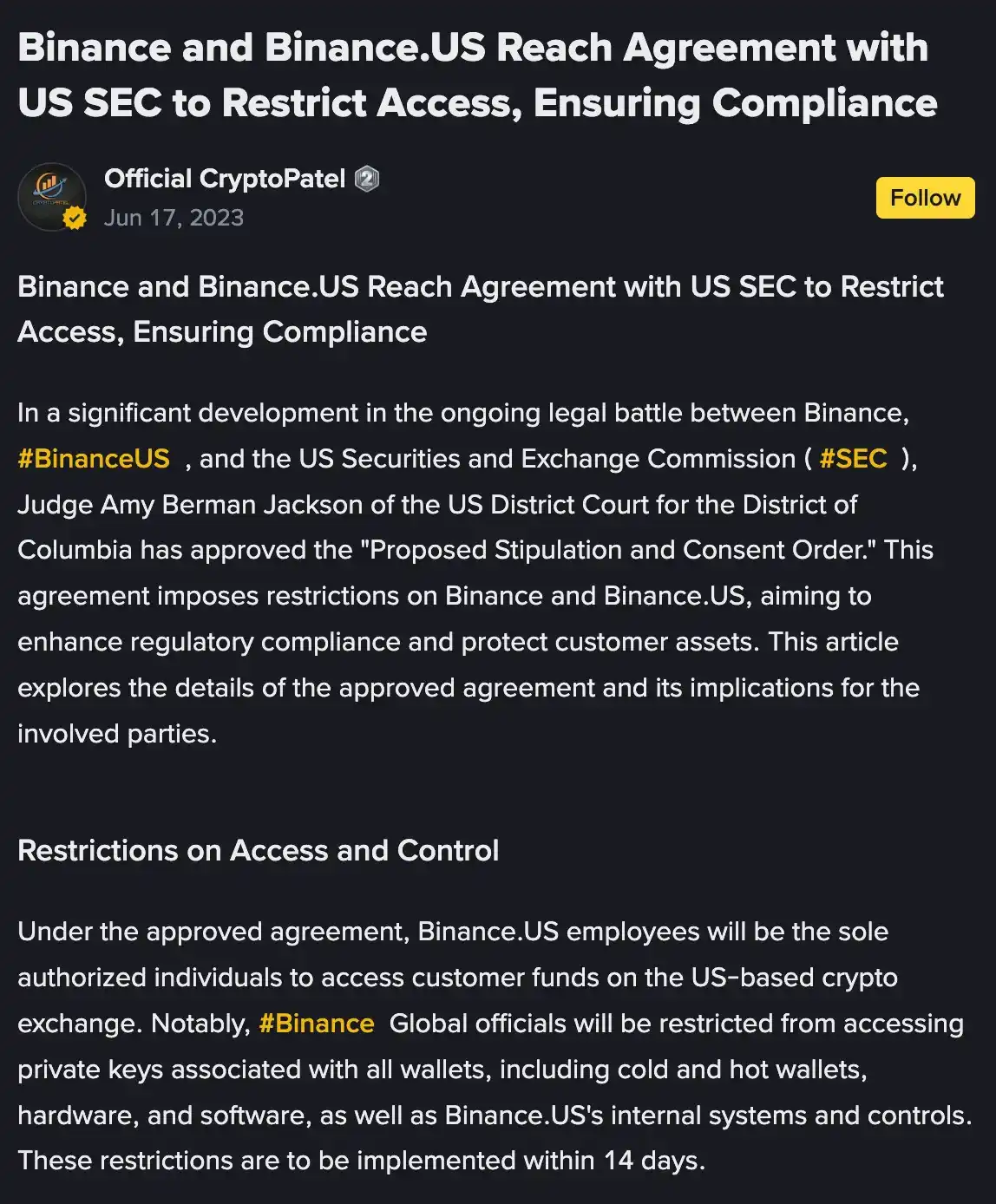
David Namdar: U.S. investors not only find it difficult to directly participate in the BNB ecosystem but even purchasing the underlying asset is very challenging. Therefore, our goal is to create a compliant investment vehicle—a company listed on Nasdaq—to allow investors to gain exposure to BNB through this channel.
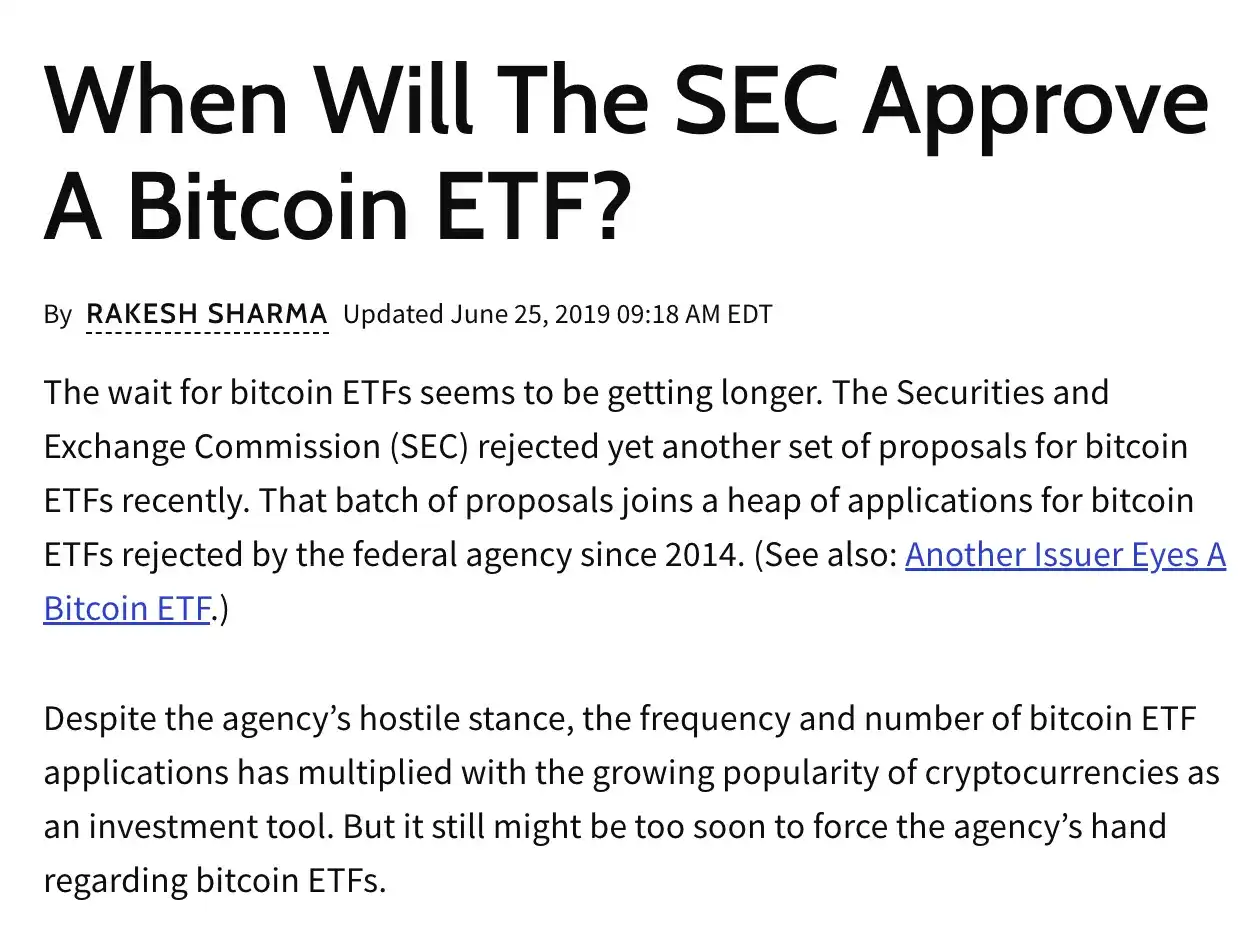
Reflecting on my early efforts to push for a Bitcoin ETF, I still regret it to this day: because regulatory bodies like the SEC refused to approve it, U.S. investors missed the opportunity to invest in Bitcoin through an ETF when it was only $100 to $300. Today, BNB is similarly hard to access in the U.S. market, meaning U.S. investors are once again excluded from a thriving ecosystem.
I hope that through this project, I can help more people realize this opportunity and provide them with a medium- to long-term investment channel.
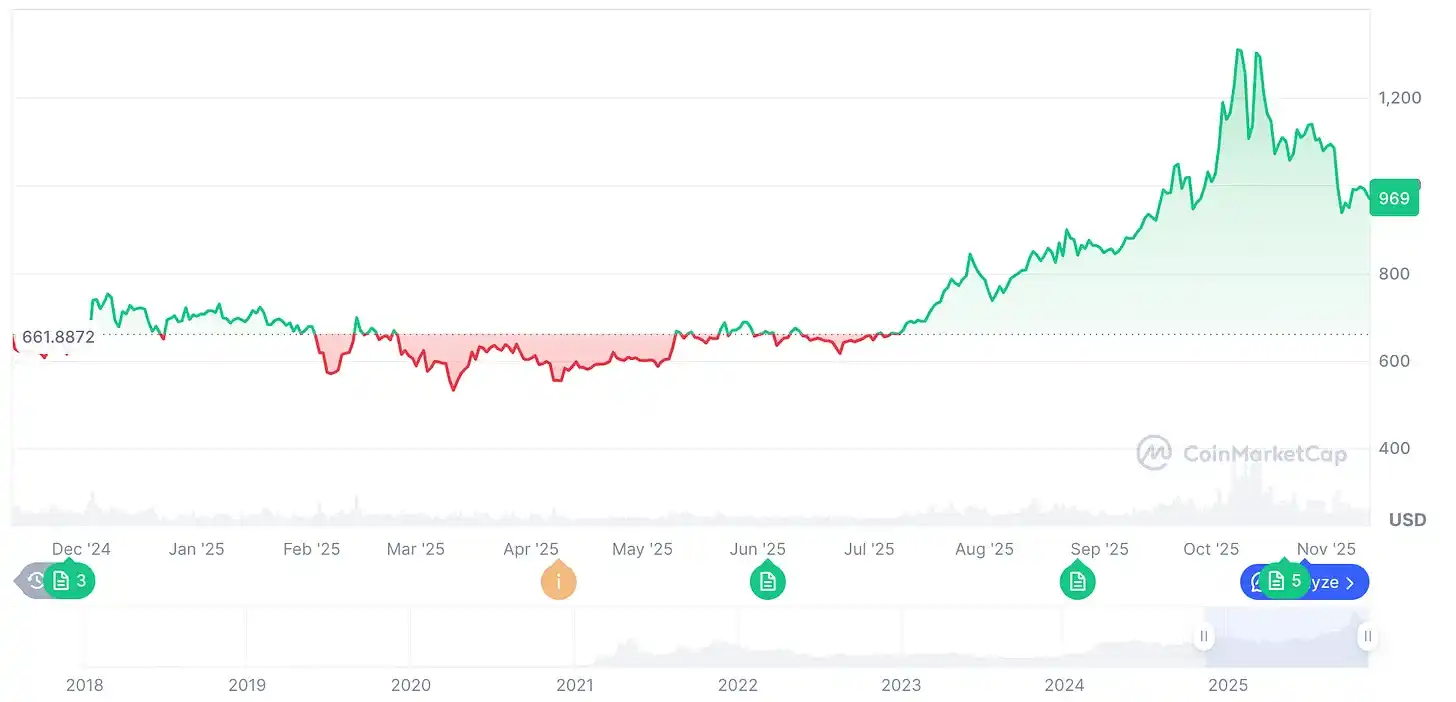
David Namdar: Looking at the market dynamics, the crypto industry always shows cyclical fluctuations: there are periods of excitement, as well as panic and pessimism. Just last week, we experienced one of the largest sell-offs in crypto history, possibly even the largest in history. But surprisingly, the market quickly rebounded strongly, confidence was restored, and BNB, especially, broke to new highs after the plunge, exhibiting tremendous resilience.
This also reminds us that the volatility of crypto assets has always been one of their core features. When an asset is in a rapid growth phase, volatility is actually a positive signal. The key is to take a longer-term view and consider the future trajectory. If someone thinks this is the end point of crypto assets and believes it will not become a significant part of society and the global financial system, they are clearly overlooking a larger trend.
David Namdar: If you believe that crypto assets will become a larger asset class in the future, then the short-term premium or discount is not actually the most critical issue. What is truly important is that treasury companies must focus on increasing the net asset value per share of crypto assets—whether it is Bitcoin, BNB, or Ethereum—while ensuring that these assets are not put at risk.
This is why I am very cautious and unwilling to adopt convertible bonds or any financing methods that could potentially harm the balance sheet. Because in ecosystems such as Ethereum, Solana, BNB, there are staking, yield, and other income opportunities, even if the stock price is temporarily below net asset value, through these earnings and buying back shares at a discount, value can still be added, increasing the value per BNB share and ultimately benefiting all investors.
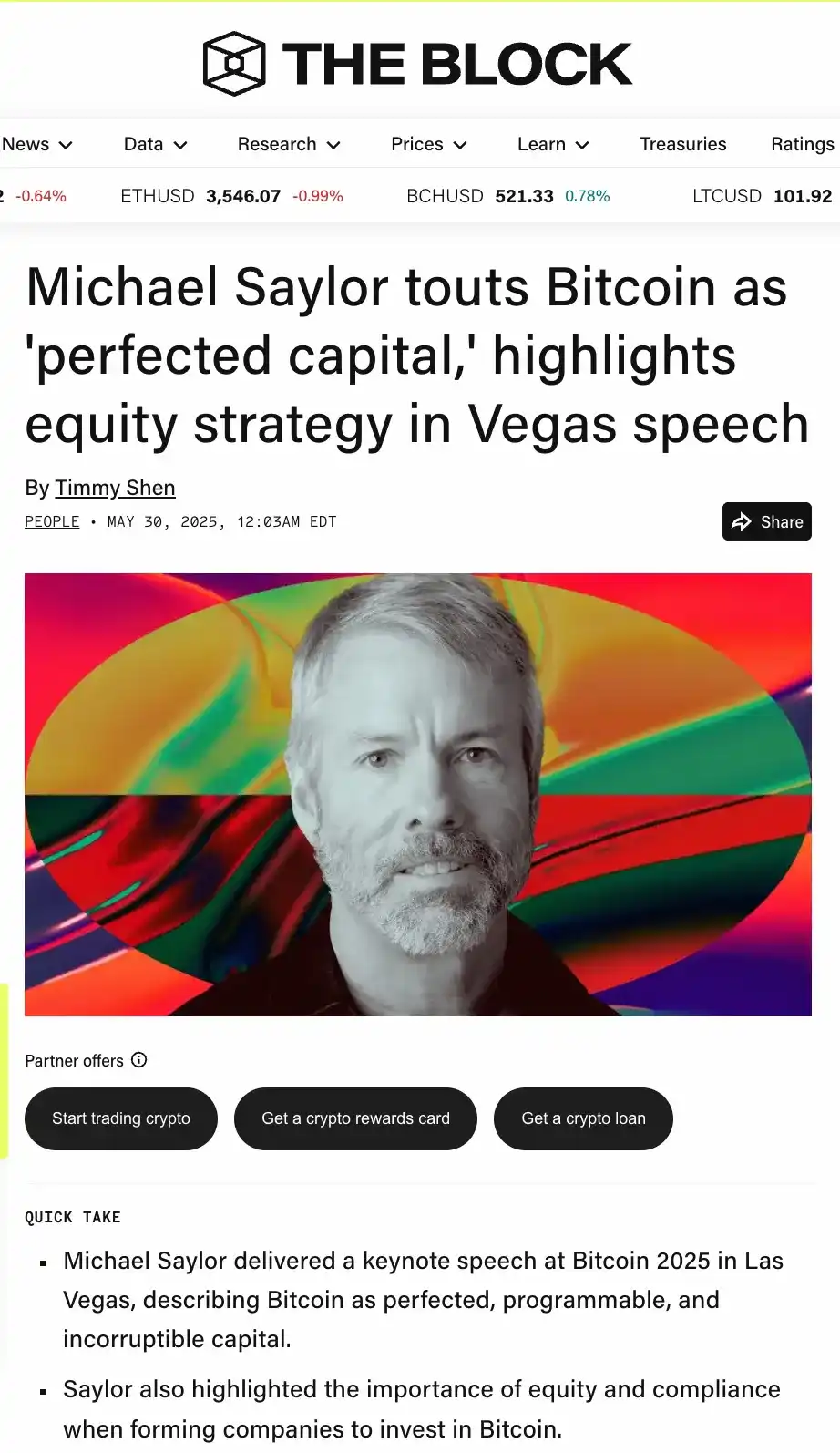
In April or May of this year, the most memorable moment for me at the Bitcoin conference in Las Vegas was when Michael Saylor was asked what he would do if the premium disappeared and the stock price fell below net asset value. His response was very calm: "Assuming we hold $50 billion in Bitcoin, and someone is willing to sell their shares at a 20%, 30%, or even 50% discount, I would issue preferred stock to repurchase those shares. This way, other shareholders would profit from my discounted buyback."
The biggest insight I gained from this is: To successfully operate a treasury company, the key is to be able to raise capital regardless of market conditions and continuously increase value in the medium to long term, allowing this "value appreciation cycle" to take effect.
Lex Sokolin: Fantastic. David, thank you very much for bringing such a wide-ranging discussion, and I am very excited about what you are doing. If our audience wants to learn more about you and your company, where should they go?
David Namdar: I will try to share all content on my Twitter @Namdar, as well as the company account @BNB Network Co, and our website BNC network. Yes, these are all good starting points.
Lex Sokolin: Great to have you here, really glad to have you.
David Namdar: Thank you so much, it's fantastic.
You may also like

Token Cannot Compound, Where Is the Real Investment Opportunity?

February 6th Market Key Intelligence, How Much Did You Miss?

China's Central Bank and Eight Other Departments' Latest Regulatory Focus: Key Attention to RWA Tokenized Asset Risk
Foreword: Today, the People's Bank of China's website published the "Notice of the People's Bank of China, National Development and Reform Commission, Ministry of Industry and Information Technology, Ministry of Public Security, State Administration for Market Regulation, China Banking and Insurance Regulatory Commission, China Securities Regulatory Commission, State Administration of Foreign Exchange on Further Preventing and Dealing with Risks Related to Virtual Currency and Others (Yinfa [2026] No. 42)", the latest regulatory requirements from the eight departments including the central bank, which are basically consistent with the regulatory requirements of recent years. The main focus of the regulation is on speculative activities such as virtual currency trading, exchanges, ICOs, overseas platform services, and this time, regulatory oversight of RWA has been added, explicitly prohibiting RWA tokenization, stablecoins (especially those pegged to the RMB). The following is the full text:
To the people's governments of all provinces, autonomous regions, and municipalities directly under the Central Government, the Xinjiang Production and Construction Corps:
Recently, there have been speculative activities related to virtual currency and Real-World Assets (RWA) tokenization, disrupting the economic and financial order and jeopardizing the property security of the people. In order to further prevent and address the risks related to virtual currency and Real-World Assets tokenization, effectively safeguard national security and social stability, in accordance with the "Law of the People's Republic of China on the People's Bank of China," "Law of the People's Republic of China on Commercial Banks," "Securities Law of the People's Republic of China," "Law of the People's Republic of China on Securities Investment Funds," "Law of the People's Republic of China on Futures and Derivatives," "Cybersecurity Law of the People's Republic of China," "Regulations of the People's Republic of China on the Administration of Renminbi," "Regulations on Prevention and Disposal of Illegal Fundraising," "Regulations of the People's Republic of China on Foreign Exchange Administration," "Telecommunications Regulations of the People's Republic of China," and other provisions, after reaching consensus with the Cyberspace Administration of China, the Supreme People's Court, and the Supreme People's Procuratorate, and with the approval of the State Council, the relevant matters are notified as follows:
(I) Virtual currency does not possess the legal status equivalent to fiat currency. Virtual currencies such as Bitcoin, Ether, Tether, etc., have the main characteristics of being issued by non-monetary authorities, using encryption technology and distributed ledger or similar technology, existing in digital form, etc. They do not have legal tender status, should not and cannot be circulated and used as currency in the market.
The business activities related to virtual currency are classified as illegal financial activities. The exchange of fiat currency and virtual currency within the territory, exchange of virtual currencies, acting as a central counterparty in buying and selling virtual currencies, providing information intermediary and pricing services for virtual currency transactions, token issuance financing, and trading of virtual currency-related financial products, etc., fall under illegal financial activities, such as suspected illegal issuance of token vouchers, unauthorized public issuance of securities, illegal operation of securities and futures business, illegal fundraising, etc., are strictly prohibited across the board and resolutely banned in accordance with the law. Overseas entities and individuals are not allowed to provide virtual currency-related services to domestic entities in any form.
A stablecoin pegged to a fiat currency indirectly fulfills some functions of the fiat currency in circulation. Without the consent of relevant authorities in accordance with the law and regulations, any domestic or foreign entity or individual is not allowed to issue a RMB-pegged stablecoin overseas.
(II)Tokenization of Real-World Assets refers to the use of encryption technology and distributed ledger or similar technologies to transform ownership rights, income rights, etc., of assets into tokens (tokens) or other interests or bond certificates with token (token) characteristics, and carry out issuance and trading activities.
Engaging in the tokenization of real-world assets domestically, as well as providing related intermediary, information technology services, etc., which are suspected of illegal issuance of token vouchers, unauthorized public offering of securities, illegal operation of securities and futures business, illegal fundraising, and other illegal financial activities, shall be prohibited; except for relevant business activities carried out with the approval of the competent authorities in accordance with the law and regulations and relying on specific financial infrastructures. Overseas entities and individuals are not allowed to illegally provide services related to the tokenization of real-world assets to domestic entities in any form.
(III) Inter-agency Coordination. The People's Bank of China, together with the National Development and Reform Commission, the Ministry of Industry and Information Technology, the Ministry of Public Security, the State Administration for Market Regulation, the China Banking and Insurance Regulatory Commission, the China Securities Regulatory Commission, the State Administration of Foreign Exchange, and other departments, will improve the work mechanism, strengthen coordination with the Cyberspace Administration of China, the Supreme People's Court, and the Supreme People's Procuratorate, coordinate efforts, and overall guide regions to carry out risk prevention and disposal of virtual currency-related illegal financial activities.
The China Securities Regulatory Commission, together with the National Development and Reform Commission, the Ministry of Industry and Information Technology, the Ministry of Public Security, the People's Bank of China, the State Administration for Market Regulation, the China Banking and Insurance Regulatory Commission, the State Administration of Foreign Exchange, and other departments, will improve the work mechanism, strengthen coordination with the Cyberspace Administration of China, the Supreme People's Court, and the Supreme People's Procuratorate, coordinate efforts, and overall guide regions to carry out risk prevention and disposal of illegal financial activities related to the tokenization of real-world assets.
(IV) Strengthening Local Implementation. The people's governments at the provincial level are overall responsible for the prevention and disposal of risks related to virtual currencies and the tokenization of real-world assets in their respective administrative regions. The specific leading department is the local financial regulatory department, with participation from branches and dispatched institutions of the State Council's financial regulatory department, telecommunications regulators, public security, market supervision, and other departments, in coordination with cyberspace departments, courts, and procuratorates, to improve the normalization of the work mechanism, effectively connect with the relevant work mechanisms of central departments, form a cooperative and coordinated working pattern between central and local governments, effectively prevent and properly handle risks related to virtual currencies and the tokenization of real-world assets, and maintain economic and financial order and social stability.
(5) Enhanced Risk Monitoring. The People's Bank of China, China Securities Regulatory Commission, National Development and Reform Commission, Ministry of Industry and Information Technology, Ministry of Public Security, State Administration of Foreign Exchange, Cyberspace Administration of China, and other departments continue to improve monitoring techniques and system support, enhance cross-departmental data analysis and sharing, establish sound information sharing and cross-validation mechanisms, promptly grasp the risk situation of activities related to virtual currency and real-world asset tokenization. Local governments at all levels give full play to the role of local monitoring and early warning mechanisms. Local financial regulatory authorities, together with branches and agencies of the State Council's financial regulatory authorities, as well as departments of cyberspace and public security, ensure effective connection between online monitoring, offline investigation, and fund tracking, efficiently and accurately identify activities related to virtual currency and real-world asset tokenization, promptly share risk information, improve early warning information dissemination, verification, and rapid response mechanisms.
(6) Strengthened Oversight of Financial Institutions, Intermediaries, and Technology Service Providers. Financial institutions (including non-bank payment institutions) are prohibited from providing account opening, fund transfer, and clearing services for virtual currency-related business activities, issuing and selling financial products related to virtual currency, including virtual currency and related financial products in the scope of collateral, conducting insurance business related to virtual currency, or including virtual currency in the scope of insurance liability. Financial institutions (including non-bank payment institutions) are prohibited from providing custody, clearing, and settlement services for unauthorized real-world asset tokenization-related business and related financial products. Relevant intermediary institutions and information technology service providers are prohibited from providing intermediary, technical, or other services for unauthorized real-world asset tokenization-related businesses and related financial products.
(7) Enhanced Management of Internet Information Content and Access. Internet enterprises are prohibited from providing online business venues, commercial displays, marketing, advertising, or paid traffic diversion services for virtual currency and real-world asset tokenization-related business activities. Upon discovering clues of illegal activities, they should promptly report to relevant departments and provide technical support and assistance for related investigations and inquiries. Based on the clues transferred by the financial regulatory authorities, the cyberspace administration, telecommunications authorities, and public security departments should promptly close and deal with websites, mobile applications (including mini-programs), and public accounts engaged in virtual currency and real-world asset tokenization-related business activities in accordance with the law.
(8) Strengthened Entity Registration and Advertisement Management. Market supervision departments strengthen entity registration and management, and enterprise and individual business registrations must not contain terms such as "virtual currency," "virtual asset," "cryptocurrency," "crypto asset," "stablecoin," "real-world asset tokenization," or "RWA" in their names or business scopes. Market supervision departments, together with financial regulatory authorities, legally enhance the supervision of advertisements related to virtual currency and real-world asset tokenization, promptly investigating and handling relevant illegal advertisements.
(IX) Continued Rectification of Virtual Currency Mining Activities. The National Development and Reform Commission, together with relevant departments, strictly controls virtual currency mining activities, continuously promotes the rectification of virtual currency mining activities. The people's governments of various provinces take overall responsibility for the rectification of "mining" within their respective administrative regions. In accordance with the requirements of the National Development and Reform Commission and other departments in the "Notice on the Rectification of Virtual Currency Mining Activities" (NDRC Energy-saving Building [2021] No. 1283) and the provisions of the "Guidance Catalog for Industrial Structure Adjustment (2024 Edition)," a comprehensive review, investigation, and closure of existing virtual currency mining projects are conducted, new mining projects are strictly prohibited, and mining machine production enterprises are strictly prohibited from providing mining machine sales and other services within the country.
(X) Severe Crackdown on Related Illegal Financial Activities. Upon discovering clues to illegal financial activities related to virtual currency and the tokenization of real-world assets, local financial regulatory authorities, branches of the State Council's financial regulatory authorities, and other relevant departments promptly investigate, determine, and properly handle the issues in accordance with the law, and seriously hold the relevant entities and individuals legally responsible. Those suspected of crimes are transferred to the judicial authorities for processing according to the law.
(XI) Severe Crackdown on Related Illegal and Criminal Activities. The Ministry of Public Security, the People's Bank of China, the State Administration for Market Regulation, the China Banking and Insurance Regulatory Commission, the China Securities Regulatory Commission, as well as judicial and procuratorial organs, in accordance with their respective responsibilities, rigorously crack down on illegal and criminal activities related to virtual currency, the tokenization of real-world assets, such as fraud, money laundering, illegal business operations, pyramid schemes, illegal fundraising, and other illegal and criminal activities carried out under the guise of virtual currency, the tokenization of real-world assets, etc.
(XII) Strengthen Industry Self-discipline. Relevant industry associations should enhance membership management and policy advocacy, based on their own responsibilities, advocate and urge member units to resist illegal financial activities related to virtual currency and the tokenization of real-world assets. Member units that violate regulatory policies and industry self-discipline rules are to be disciplined in accordance with relevant self-regulatory management regulations. By leveraging various industry infrastructure, conduct risk monitoring related to virtual currency, the tokenization of real-world assets, and promptly transfer issue clues to relevant departments.
(XIII) Without the approval of relevant departments in accordance with the law and regulations, domestic entities and foreign entities controlled by them may not issue virtual currency overseas.
(XIV) Domestic entities engaging directly or indirectly in overseas external debt-based tokenization of real-world assets, or conducting asset securitization activities abroad based on domestic ownership rights, income rights, etc. (hereinafter referred to as domestic equity), should be strictly regulated in accordance with the principles of "same business, same risk, same rules." The National Development and Reform Commission, the China Securities Regulatory Commission, the State Administration of Foreign Exchange, and other relevant departments regulate it according to their respective responsibilities. For other forms of overseas real-world asset tokenization activities based on domestic equity by domestic entities, the China Securities Regulatory Commission, together with relevant departments, supervise according to their division of responsibilities. Without the consent and filing of relevant departments, no unit or individual may engage in the above-mentioned business.
(15) Overseas subsidiaries and branches of domestic financial institutions providing Real World Asset Tokenization-related services overseas shall do so legally and prudently. They shall have professional personnel and systems in place to effectively mitigate business risks, strictly implement customer onboarding, suitability management, anti-money laundering requirements, and incorporate them into the domestic financial institutions' compliance and risk management system. Intermediaries and information technology service providers offering Real World Asset Tokenization services abroad based on domestic equity or conducting Real World Asset Tokenization business in the form of overseas debt for domestic entities directly or indirectly venturing abroad must strictly comply with relevant laws and regulations. They should establish and improve relevant compliance and internal control systems in accordance with relevant normative requirements, strengthen business and risk control, and report the business developments to the relevant regulatory authorities for approval or filing.
(16) Strengthen organizational leadership and overall coordination. All departments and regions should attach great importance to the prevention of risks related to virtual currencies and Real World Asset Tokenization, strengthen organizational leadership, clarify work responsibilities, form a long-term effective working mechanism with centralized coordination, local implementation, and shared responsibilities, maintain high pressure, dynamically monitor risks, effectively prevent and mitigate risks in an orderly and efficient manner, legally protect the property security of the people, and make every effort to maintain economic and financial order and social stability.
(17) Widely carry out publicity and education. All departments, regions, and industry associations should make full use of various media and other communication channels to disseminate information through legal and policy interpretation, analysis of typical cases, and education on investment risks, etc. They should promote the illegality and harm of virtual currencies and Real World Asset Tokenization-related businesses and their manifestations, fully alert to potential risks and hidden dangers, and enhance public awareness and identification capabilities for risk prevention.
(18) Engaging in illegal financial activities related to virtual currencies and Real World Asset Tokenization in violation of this notice, as well as providing services for virtual currencies and Real World Asset Tokenization-related businesses, shall be punished in accordance with relevant regulations. If it constitutes a crime, criminal liability shall be pursued according to the law. For domestic entities and individuals who knowingly or should have known that overseas entities illegally provided virtual currency or Real World Asset Tokenization-related services to domestic entities and still assisted them, relevant responsibilities shall be pursued according to the law. If it constitutes a crime, criminal liability shall be pursued according to the law.
(19) If any unit or individual invests in virtual currencies, Real World Asset Tokens, and related financial products against public order and good customs, the relevant civil legal actions shall be invalid, and any resulting losses shall be borne by them. If there are suspicions of disrupting financial order and jeopardizing financial security, the relevant departments shall deal with them according to the law.
This notice shall enter into force upon the date of its issuance. The People's Bank of China and ten other departments' "Notice on Further Preventing and Dealing with the Risks of Virtual Currency Trading Speculation" (Yinfa [2021] No. 237) is hereby repealed.

Former Partner's Perspective on Multicoin: Kyle's Exit, But the Game He Left Behind Just Getting Started

Why Bitcoin Is Falling Now: The Real Reasons Behind BTC's Crash & WEEX's Smart Profit Playbook
Bitcoin's ongoing crash explained: Discover the 5 hidden triggers behind BTC's plunge & how WEEX's Auto Earn and Trade to Earn strategies help traders profit from crypto market volatility.

Wall Street's Hottest Trades See Exodus

Vitalik Discusses Ethereum Scaling Path, Circle Announces Partnership with Polymarket, What's the Overseas Crypto Community Talking About Today?

Believing in the Capital Markets - The Essence and Core Value of Cryptocurrency

Polymarket's 'Weatherman': Predict Temperature, Win Million-Dollar Payout

$15K+ Profits: The 4 AI Trading Secrets WEEX Hackathon Prelim Winners Used to Dominate Volatile Crypto Markets
How WEEX Hackathon's top AI trading strategies made $15K+ in crypto markets: 4 proven rules for ETH/BTC trading, market structure analysis, and risk management in volatile conditions.

A nearly 20% one-day plunge, how long has it been since you last saw a $60,000 Bitcoin?

Raoul Pal: I've seen every single panic, and they are never the end.

Key Market Information Discrepancy on February 6th - A Must-Read! | Alpha Morning Report

2026 Crypto Industry's First Snowfall
The Harsh Reality Behind the $26 Billion Crypto Liquidation: Liquidity Is Killing the Market
Why Is Gold, US Stocks, Bitcoin All Falling?

Key Market Intelligence for February 5th, how much did you miss out on?

Wintermute: By 2026, crypto had gradually become the settlement layer of the Internet economy
Token Cannot Compound, Where Is the Real Investment Opportunity?
February 6th Market Key Intelligence, How Much Did You Miss?
China's Central Bank and Eight Other Departments' Latest Regulatory Focus: Key Attention to RWA Tokenized Asset Risk
Foreword: Today, the People's Bank of China's website published the "Notice of the People's Bank of China, National Development and Reform Commission, Ministry of Industry and Information Technology, Ministry of Public Security, State Administration for Market Regulation, China Banking and Insurance Regulatory Commission, China Securities Regulatory Commission, State Administration of Foreign Exchange on Further Preventing and Dealing with Risks Related to Virtual Currency and Others (Yinfa [2026] No. 42)", the latest regulatory requirements from the eight departments including the central bank, which are basically consistent with the regulatory requirements of recent years. The main focus of the regulation is on speculative activities such as virtual currency trading, exchanges, ICOs, overseas platform services, and this time, regulatory oversight of RWA has been added, explicitly prohibiting RWA tokenization, stablecoins (especially those pegged to the RMB). The following is the full text:
To the people's governments of all provinces, autonomous regions, and municipalities directly under the Central Government, the Xinjiang Production and Construction Corps:
Recently, there have been speculative activities related to virtual currency and Real-World Assets (RWA) tokenization, disrupting the economic and financial order and jeopardizing the property security of the people. In order to further prevent and address the risks related to virtual currency and Real-World Assets tokenization, effectively safeguard national security and social stability, in accordance with the "Law of the People's Republic of China on the People's Bank of China," "Law of the People's Republic of China on Commercial Banks," "Securities Law of the People's Republic of China," "Law of the People's Republic of China on Securities Investment Funds," "Law of the People's Republic of China on Futures and Derivatives," "Cybersecurity Law of the People's Republic of China," "Regulations of the People's Republic of China on the Administration of Renminbi," "Regulations on Prevention and Disposal of Illegal Fundraising," "Regulations of the People's Republic of China on Foreign Exchange Administration," "Telecommunications Regulations of the People's Republic of China," and other provisions, after reaching consensus with the Cyberspace Administration of China, the Supreme People's Court, and the Supreme People's Procuratorate, and with the approval of the State Council, the relevant matters are notified as follows:
(I) Virtual currency does not possess the legal status equivalent to fiat currency. Virtual currencies such as Bitcoin, Ether, Tether, etc., have the main characteristics of being issued by non-monetary authorities, using encryption technology and distributed ledger or similar technology, existing in digital form, etc. They do not have legal tender status, should not and cannot be circulated and used as currency in the market.
The business activities related to virtual currency are classified as illegal financial activities. The exchange of fiat currency and virtual currency within the territory, exchange of virtual currencies, acting as a central counterparty in buying and selling virtual currencies, providing information intermediary and pricing services for virtual currency transactions, token issuance financing, and trading of virtual currency-related financial products, etc., fall under illegal financial activities, such as suspected illegal issuance of token vouchers, unauthorized public issuance of securities, illegal operation of securities and futures business, illegal fundraising, etc., are strictly prohibited across the board and resolutely banned in accordance with the law. Overseas entities and individuals are not allowed to provide virtual currency-related services to domestic entities in any form.
A stablecoin pegged to a fiat currency indirectly fulfills some functions of the fiat currency in circulation. Without the consent of relevant authorities in accordance with the law and regulations, any domestic or foreign entity or individual is not allowed to issue a RMB-pegged stablecoin overseas.
(II)Tokenization of Real-World Assets refers to the use of encryption technology and distributed ledger or similar technologies to transform ownership rights, income rights, etc., of assets into tokens (tokens) or other interests or bond certificates with token (token) characteristics, and carry out issuance and trading activities.
Engaging in the tokenization of real-world assets domestically, as well as providing related intermediary, information technology services, etc., which are suspected of illegal issuance of token vouchers, unauthorized public offering of securities, illegal operation of securities and futures business, illegal fundraising, and other illegal financial activities, shall be prohibited; except for relevant business activities carried out with the approval of the competent authorities in accordance with the law and regulations and relying on specific financial infrastructures. Overseas entities and individuals are not allowed to illegally provide services related to the tokenization of real-world assets to domestic entities in any form.
(III) Inter-agency Coordination. The People's Bank of China, together with the National Development and Reform Commission, the Ministry of Industry and Information Technology, the Ministry of Public Security, the State Administration for Market Regulation, the China Banking and Insurance Regulatory Commission, the China Securities Regulatory Commission, the State Administration of Foreign Exchange, and other departments, will improve the work mechanism, strengthen coordination with the Cyberspace Administration of China, the Supreme People's Court, and the Supreme People's Procuratorate, coordinate efforts, and overall guide regions to carry out risk prevention and disposal of virtual currency-related illegal financial activities.
The China Securities Regulatory Commission, together with the National Development and Reform Commission, the Ministry of Industry and Information Technology, the Ministry of Public Security, the People's Bank of China, the State Administration for Market Regulation, the China Banking and Insurance Regulatory Commission, the State Administration of Foreign Exchange, and other departments, will improve the work mechanism, strengthen coordination with the Cyberspace Administration of China, the Supreme People's Court, and the Supreme People's Procuratorate, coordinate efforts, and overall guide regions to carry out risk prevention and disposal of illegal financial activities related to the tokenization of real-world assets.
(IV) Strengthening Local Implementation. The people's governments at the provincial level are overall responsible for the prevention and disposal of risks related to virtual currencies and the tokenization of real-world assets in their respective administrative regions. The specific leading department is the local financial regulatory department, with participation from branches and dispatched institutions of the State Council's financial regulatory department, telecommunications regulators, public security, market supervision, and other departments, in coordination with cyberspace departments, courts, and procuratorates, to improve the normalization of the work mechanism, effectively connect with the relevant work mechanisms of central departments, form a cooperative and coordinated working pattern between central and local governments, effectively prevent and properly handle risks related to virtual currencies and the tokenization of real-world assets, and maintain economic and financial order and social stability.
(5) Enhanced Risk Monitoring. The People's Bank of China, China Securities Regulatory Commission, National Development and Reform Commission, Ministry of Industry and Information Technology, Ministry of Public Security, State Administration of Foreign Exchange, Cyberspace Administration of China, and other departments continue to improve monitoring techniques and system support, enhance cross-departmental data analysis and sharing, establish sound information sharing and cross-validation mechanisms, promptly grasp the risk situation of activities related to virtual currency and real-world asset tokenization. Local governments at all levels give full play to the role of local monitoring and early warning mechanisms. Local financial regulatory authorities, together with branches and agencies of the State Council's financial regulatory authorities, as well as departments of cyberspace and public security, ensure effective connection between online monitoring, offline investigation, and fund tracking, efficiently and accurately identify activities related to virtual currency and real-world asset tokenization, promptly share risk information, improve early warning information dissemination, verification, and rapid response mechanisms.
(6) Strengthened Oversight of Financial Institutions, Intermediaries, and Technology Service Providers. Financial institutions (including non-bank payment institutions) are prohibited from providing account opening, fund transfer, and clearing services for virtual currency-related business activities, issuing and selling financial products related to virtual currency, including virtual currency and related financial products in the scope of collateral, conducting insurance business related to virtual currency, or including virtual currency in the scope of insurance liability. Financial institutions (including non-bank payment institutions) are prohibited from providing custody, clearing, and settlement services for unauthorized real-world asset tokenization-related business and related financial products. Relevant intermediary institutions and information technology service providers are prohibited from providing intermediary, technical, or other services for unauthorized real-world asset tokenization-related businesses and related financial products.
(7) Enhanced Management of Internet Information Content and Access. Internet enterprises are prohibited from providing online business venues, commercial displays, marketing, advertising, or paid traffic diversion services for virtual currency and real-world asset tokenization-related business activities. Upon discovering clues of illegal activities, they should promptly report to relevant departments and provide technical support and assistance for related investigations and inquiries. Based on the clues transferred by the financial regulatory authorities, the cyberspace administration, telecommunications authorities, and public security departments should promptly close and deal with websites, mobile applications (including mini-programs), and public accounts engaged in virtual currency and real-world asset tokenization-related business activities in accordance with the law.
(8) Strengthened Entity Registration and Advertisement Management. Market supervision departments strengthen entity registration and management, and enterprise and individual business registrations must not contain terms such as "virtual currency," "virtual asset," "cryptocurrency," "crypto asset," "stablecoin," "real-world asset tokenization," or "RWA" in their names or business scopes. Market supervision departments, together with financial regulatory authorities, legally enhance the supervision of advertisements related to virtual currency and real-world asset tokenization, promptly investigating and handling relevant illegal advertisements.
(IX) Continued Rectification of Virtual Currency Mining Activities. The National Development and Reform Commission, together with relevant departments, strictly controls virtual currency mining activities, continuously promotes the rectification of virtual currency mining activities. The people's governments of various provinces take overall responsibility for the rectification of "mining" within their respective administrative regions. In accordance with the requirements of the National Development and Reform Commission and other departments in the "Notice on the Rectification of Virtual Currency Mining Activities" (NDRC Energy-saving Building [2021] No. 1283) and the provisions of the "Guidance Catalog for Industrial Structure Adjustment (2024 Edition)," a comprehensive review, investigation, and closure of existing virtual currency mining projects are conducted, new mining projects are strictly prohibited, and mining machine production enterprises are strictly prohibited from providing mining machine sales and other services within the country.
(X) Severe Crackdown on Related Illegal Financial Activities. Upon discovering clues to illegal financial activities related to virtual currency and the tokenization of real-world assets, local financial regulatory authorities, branches of the State Council's financial regulatory authorities, and other relevant departments promptly investigate, determine, and properly handle the issues in accordance with the law, and seriously hold the relevant entities and individuals legally responsible. Those suspected of crimes are transferred to the judicial authorities for processing according to the law.
(XI) Severe Crackdown on Related Illegal and Criminal Activities. The Ministry of Public Security, the People's Bank of China, the State Administration for Market Regulation, the China Banking and Insurance Regulatory Commission, the China Securities Regulatory Commission, as well as judicial and procuratorial organs, in accordance with their respective responsibilities, rigorously crack down on illegal and criminal activities related to virtual currency, the tokenization of real-world assets, such as fraud, money laundering, illegal business operations, pyramid schemes, illegal fundraising, and other illegal and criminal activities carried out under the guise of virtual currency, the tokenization of real-world assets, etc.
(XII) Strengthen Industry Self-discipline. Relevant industry associations should enhance membership management and policy advocacy, based on their own responsibilities, advocate and urge member units to resist illegal financial activities related to virtual currency and the tokenization of real-world assets. Member units that violate regulatory policies and industry self-discipline rules are to be disciplined in accordance with relevant self-regulatory management regulations. By leveraging various industry infrastructure, conduct risk monitoring related to virtual currency, the tokenization of real-world assets, and promptly transfer issue clues to relevant departments.
(XIII) Without the approval of relevant departments in accordance with the law and regulations, domestic entities and foreign entities controlled by them may not issue virtual currency overseas.
(XIV) Domestic entities engaging directly or indirectly in overseas external debt-based tokenization of real-world assets, or conducting asset securitization activities abroad based on domestic ownership rights, income rights, etc. (hereinafter referred to as domestic equity), should be strictly regulated in accordance with the principles of "same business, same risk, same rules." The National Development and Reform Commission, the China Securities Regulatory Commission, the State Administration of Foreign Exchange, and other relevant departments regulate it according to their respective responsibilities. For other forms of overseas real-world asset tokenization activities based on domestic equity by domestic entities, the China Securities Regulatory Commission, together with relevant departments, supervise according to their division of responsibilities. Without the consent and filing of relevant departments, no unit or individual may engage in the above-mentioned business.
(15) Overseas subsidiaries and branches of domestic financial institutions providing Real World Asset Tokenization-related services overseas shall do so legally and prudently. They shall have professional personnel and systems in place to effectively mitigate business risks, strictly implement customer onboarding, suitability management, anti-money laundering requirements, and incorporate them into the domestic financial institutions' compliance and risk management system. Intermediaries and information technology service providers offering Real World Asset Tokenization services abroad based on domestic equity or conducting Real World Asset Tokenization business in the form of overseas debt for domestic entities directly or indirectly venturing abroad must strictly comply with relevant laws and regulations. They should establish and improve relevant compliance and internal control systems in accordance with relevant normative requirements, strengthen business and risk control, and report the business developments to the relevant regulatory authorities for approval or filing.
(16) Strengthen organizational leadership and overall coordination. All departments and regions should attach great importance to the prevention of risks related to virtual currencies and Real World Asset Tokenization, strengthen organizational leadership, clarify work responsibilities, form a long-term effective working mechanism with centralized coordination, local implementation, and shared responsibilities, maintain high pressure, dynamically monitor risks, effectively prevent and mitigate risks in an orderly and efficient manner, legally protect the property security of the people, and make every effort to maintain economic and financial order and social stability.
(17) Widely carry out publicity and education. All departments, regions, and industry associations should make full use of various media and other communication channels to disseminate information through legal and policy interpretation, analysis of typical cases, and education on investment risks, etc. They should promote the illegality and harm of virtual currencies and Real World Asset Tokenization-related businesses and their manifestations, fully alert to potential risks and hidden dangers, and enhance public awareness and identification capabilities for risk prevention.
(18) Engaging in illegal financial activities related to virtual currencies and Real World Asset Tokenization in violation of this notice, as well as providing services for virtual currencies and Real World Asset Tokenization-related businesses, shall be punished in accordance with relevant regulations. If it constitutes a crime, criminal liability shall be pursued according to the law. For domestic entities and individuals who knowingly or should have known that overseas entities illegally provided virtual currency or Real World Asset Tokenization-related services to domestic entities and still assisted them, relevant responsibilities shall be pursued according to the law. If it constitutes a crime, criminal liability shall be pursued according to the law.
(19) If any unit or individual invests in virtual currencies, Real World Asset Tokens, and related financial products against public order and good customs, the relevant civil legal actions shall be invalid, and any resulting losses shall be borne by them. If there are suspicions of disrupting financial order and jeopardizing financial security, the relevant departments shall deal with them according to the law.
This notice shall enter into force upon the date of its issuance. The People's Bank of China and ten other departments' "Notice on Further Preventing and Dealing with the Risks of Virtual Currency Trading Speculation" (Yinfa [2021] No. 237) is hereby repealed.
Former Partner's Perspective on Multicoin: Kyle's Exit, But the Game He Left Behind Just Getting Started
Why Bitcoin Is Falling Now: The Real Reasons Behind BTC's Crash & WEEX's Smart Profit Playbook
Bitcoin's ongoing crash explained: Discover the 5 hidden triggers behind BTC's plunge & how WEEX's Auto Earn and Trade to Earn strategies help traders profit from crypto market volatility.


 App
App