
- Buy Crypto
- Markets
 Futures
- Spot
- Copy Trade
- Earn
- More
Cryptocurrency Mining Electricity Cost Management: Where is the World's Cheapest Electricity Price?

Original Title: "Cryptocurrency Mining Electricity Cost Management: Where is the World's Cheapest Electricity Price?"
Original Author: Dr. Chai Crypt
In the world of cryptocurrency, electricity is akin to gold. You may know how much a mining machine can mine, but what truly determines a miner's profitability is often not just the hash rate, but rather — the electricity bill.
Many newcomers initially focus only on "how much Bitcoin can be mined per day," overlooking the fact that electricity cost is actually the biggest cost burden on earnings. Today, Dr. Chai will systematically dissect the composition of mining electricity costs, global electricity price distribution, and how ordinary miners can find the optimal solution.
01 Electricity Cost: The Miner's First Lifeline
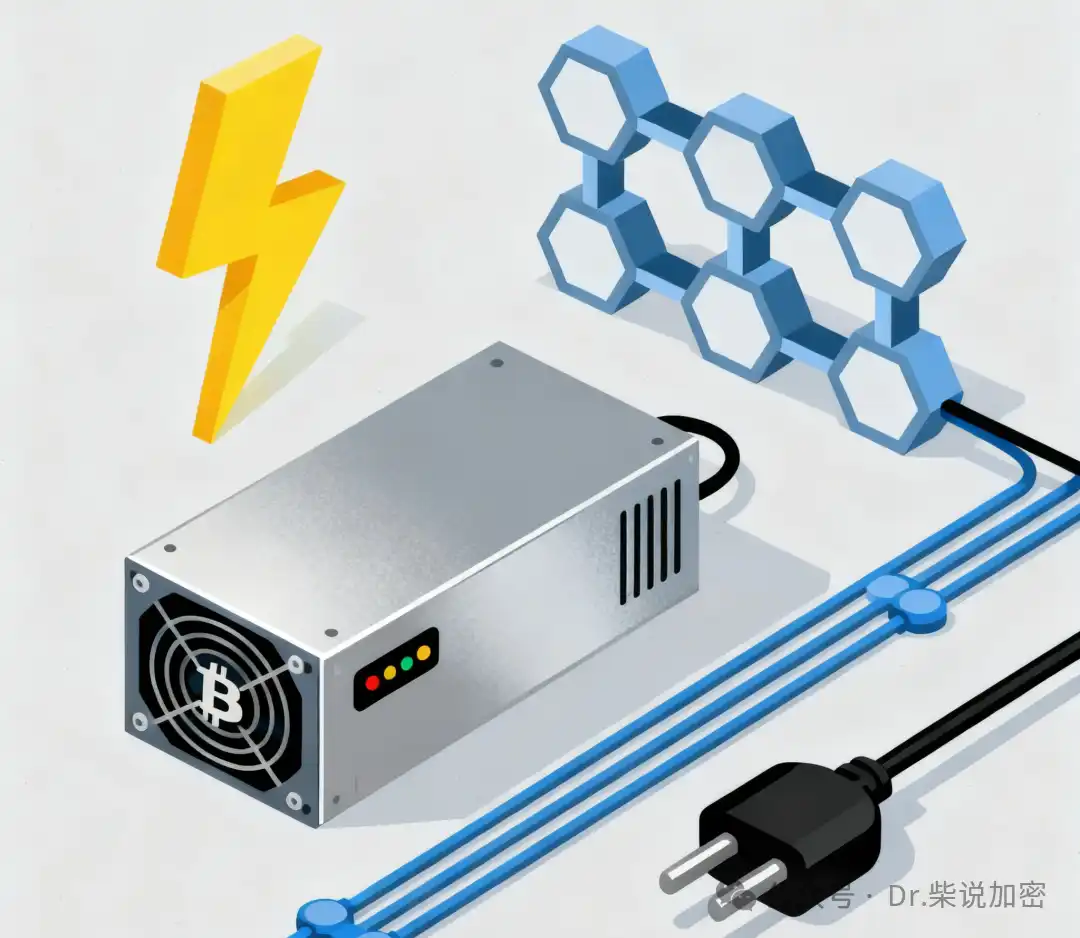
According to the Cambridge Bitcoin Electricity Consumption Index from the University of Cambridge, the Bitcoin network consumes over 120 TWh of electricity annually, nearly equivalent to the entire national electricity consumption of Greece.
What does this mean for miners? It means that for every $0.01/kWh increase in electricity price, the payback period could be extended by several months. The electricity price determines whether miners can survive in a bear market and also determines who can earn more during a bull market.
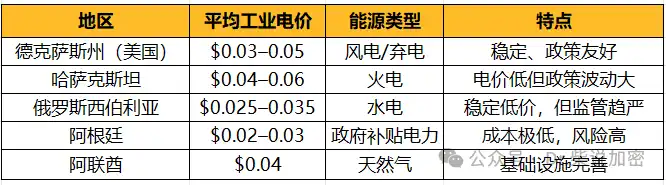
In countries with high electricity costs (such as Germany and Japan), there are hardly any traces of large-scale mining farms; whereas regions with electricity prices as low as $0.03/kWh — such as parts of the United States like Texas, Kazakhstan, Argentina, the UAE, and certain hydroelectric areas in Laos — are hotspots for global mining industry layout.
Everyday Analogy
Electricity cost is like the "fuel cost" for gold mining; the mining machine is the vehicle, the lower the fuel price, the farther it can go, and the more it can earn

02 Four Modes of Miners Paying Electricity Bills
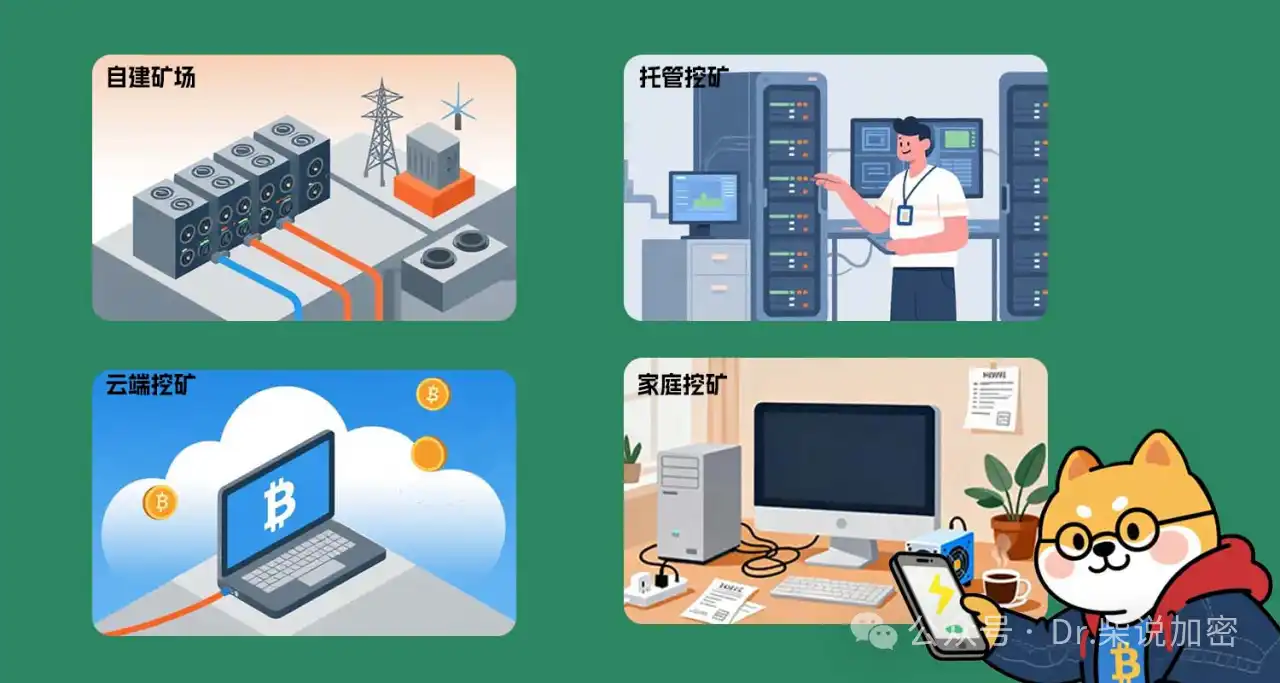
Self-built Mining Farm: Lowest Electricity Price, Highest Barrier to Entry
Large miners or institutional players often choose to build their own mining farms. They directly contract with power companies for electricity, with metering and transparent settlement.
The advantage is the lowest electricity cost, which can be as low as $0.025–0.035/kWh in some areas;
The downside is the high barrier to entry, considering issues such as land, cooling, transformers, compliance, and maintenance.
For example, some mining farms in Texas have successfully reduced costs by utilizing wind energy and stranded resources, with electricity prices more than 40% lower than traditional sources.
Hosted Mining: Worry-Free but Costly
Miners without the conditions for self-building often choose hosting—handing over mining machines to professional organizations for operation, paying monthly electricity and management fees.
The advantage is peace of mind and convenience;
The disadvantage is relatively higher electricity prices (around $0.05–$0.08/kWh) and susceptibility to policy risks.
For example, after the Kazakhstani government tightened energy regulation in 2023, hosted electricity prices generally increased by 20%–30%.
Cloud Mining: A Light Asset Model Bundling Electricity Fees
Cloud mining is the entry point for ordinary investors. Platforms sell virtualized computing power, allowing users to participate in mining by purchasing computing power shares, with electricity fees generally included in the contract or settled based on computing power.
Advantages: Low barrier to entry, no maintenance required.
Disadvantages: Electricity prices higher than actual costs, and users cannot control power on/off independently.
For example, KuCoin's KuMining platform, through cooperation with leading global mining farms, enables users to obtain real BTC, DOGE, and LTC combined computing power in a one-click manner, while enjoying low-cost energy and real-time revenue settlement, significantly reducing the mining threshold.
Home Mining: More about Interest than Profit
Some miners choose to directly plug in mining machines at home. Electricity is charged at residential rates (around $0.16–$0.20/kWh in the United States), nearly three times that of industrial electricity.
The advantage of home mining is flexibility and control, with the ability to power on/off anytime; however, due to the high electricity prices, it is more like a way to experience the fun of mining rather than a stable profit-making model.
03 Electricity Billing Method and Cycle
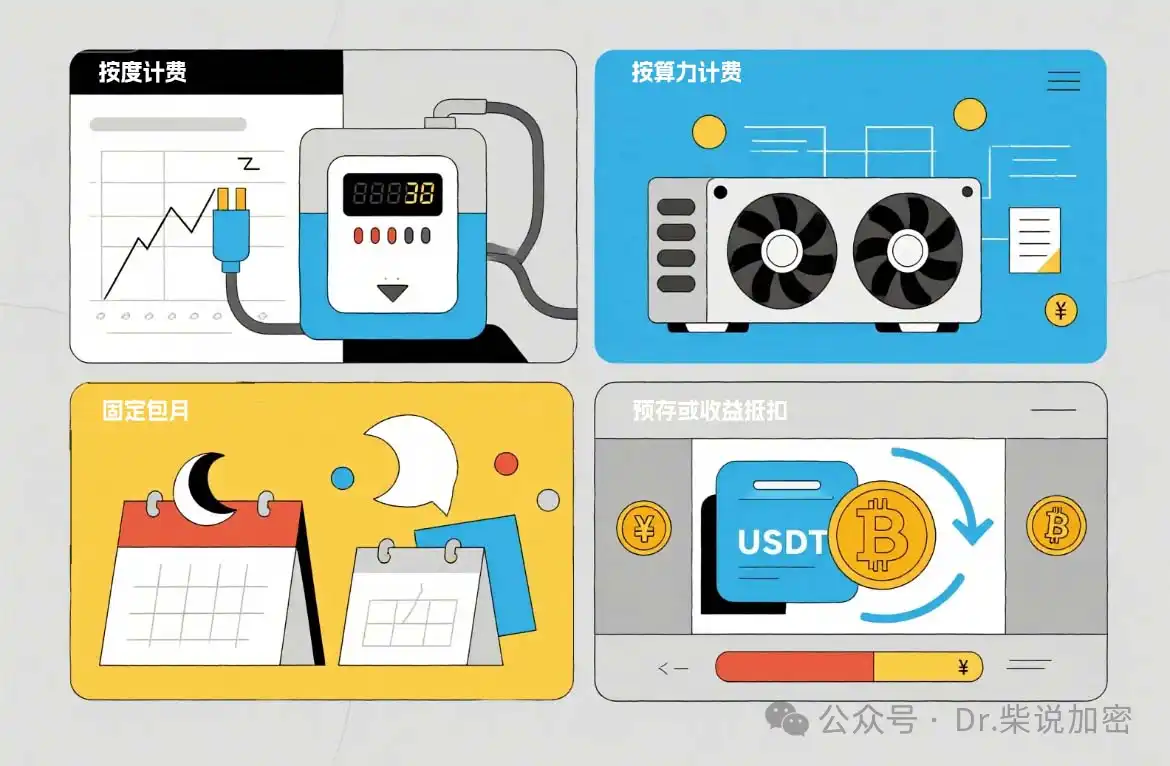
· Pay-Per-Use Pricing ($0.0x/kWh): The most transparent, most fair way, suitable for self-hosted or large-scale hosting.
· Pay-Per-Hashrate Pricing ($/TH/day): A common cloud mining model, convenient but with higher electricity costs.
· Fixed Monthly Fee: Simplifies settlement, but full payment is required even during downtime.
· Prepayment or Earnings Deduction: A popular practice on cloud mining platforms, convenient but requires monitoring of balance and income fluctuations.
The settlement period is usually monthly or prepaid, and some platforms support using USDT or BTC to offset electricity costs, achieving a cryptocurrency-based management.
04 How Does Electricity Cost Variability Alter Miner Strategy
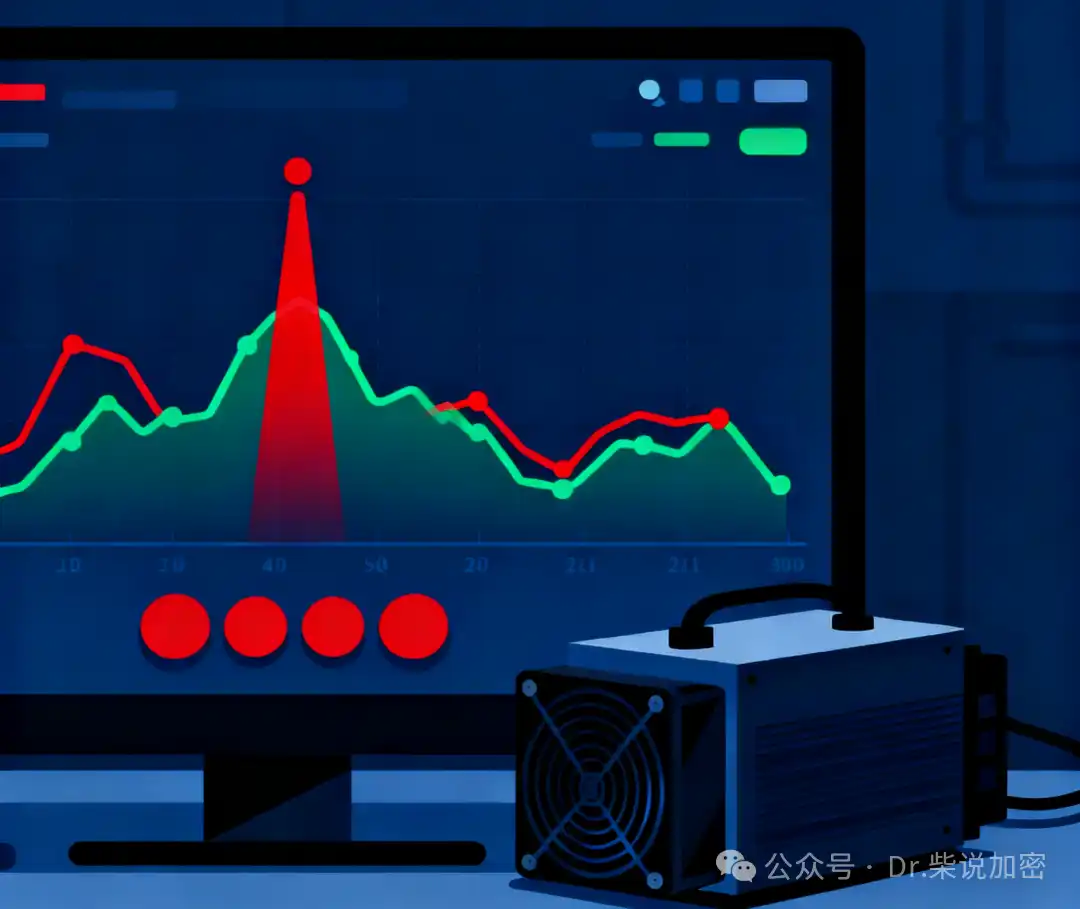
· Pay-Per-Use Miner: Tends to use electricity during off-peak hours at night, flexibly turning machines on and off;
· Hosting and Cloud Mining Miners: Passively endure electricity price fluctuations;
· Fixed Monthly Fee Miner: Seeks 24/7 full-load operation to spread costs.
Smart power management platforms even support dynamic scheduling—automatically shutting down when electricity prices are too high to protect the profitability. Such solutions are becoming the new standard for large mining farms.
Simple Calculation: Electricity Price Gap
Using a mining machine with a power consumption of 3,800W as an example:
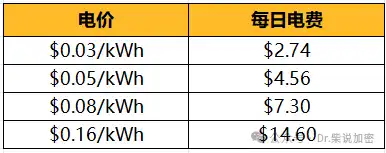
At the same earnings, a home miner's profit may be directly consumed. That's why "finding inexpensive electricity resources" is almost every miner's ultimate goal.
05 Global Distribution of the Cheapest Electricity Prices
Based on data from the International Energy Agency (IEA) and various local mining facilities:
06 Beyond Hash Rate: Electricity Price is King
The essence of mining is the game between hash rate and electricity. The more concentrated the hash rate, the fiercer the energy competition. The future focus of mining competition is no longer "who has more mining rigs," but rather who can access cheaper, more stable, and cleaner electricity.
You may also like

Giannis Antetokounmpo's Investment in Kalshi Sparks Outrage: Idol Crossover or Insider Trading Scheme?

Mr. Beast Acquires Step: Top Streamer Enters Teen Finance Race?

Not Just Guessing Right or Wrong, Market Prediction Is Getting More and More “Fun”

$55,000 will be Bitcoin's make-or-break level

February 10th Key Market Information Gap, A Must-See! | Alpha Morning Report

About ERC-8004: Everything You Need to Know

ai.com's Debut Flop: After $70 Million Transaction, Did It Get a '504' Timeout?

FedNow versus The Clearing House: Who Will Win the Fed Payments Fray?

Recovering $70,000 in Lost Funds: The "Fragile Logic" Behind Bitcoin's Rebound

Mr. Beast acquires Step, Farcaster Founder Joins Tempo, what are the international crypto circles talking about today?
February 9th Market Key Intelligence, How Much Did You Miss?

After being questioned by Vitalik, L2s are collectively saying goodbye to the "cheap" era

WEEX AI Trading Hackathon Paris Workshop Reveals: How Retail Crypto Traders Can Outperform Hedge Funds
Witness how WEEX's Paris AI Trading Hackathon revealed AI's edge over human traders. Explore key strategies, live competition results & how to build your own AI trading bot.

U.S. Oil (USOR) Price Prediction 2026–2030
Key Takeaways U.S. Oil (USOR) is a speculative Solana-based crypto project that aims to index the United States…

USOR Surges on Meme Narrative Despite No Real-World Asset Backing
Key Takeaways: USOR, a Solana-based token, has seen a notable surge driven by speculative narratives rather than verifiable…

How to Buy U.S. Oil Reserve (USOR) Cryptocurrency
Key Takeaways U.S. Oil Reserve (USOR) is a Solana-based token primarily traded on decentralized exchanges (DEXs). Claims have…

USOR vs Oil ETFs: Understanding Why the ‘Oil Reserve’ Token Doesn’t Track Crude Prices
Key Takeaways The U.S. Oil Reserve (USOR) token has become noteworthy for its claims, yet it does not…

Trend Research Reduces Ether Holdings After Major Market Turbulence
Key Takeaways: Trend Research has significantly cut down its Ether holdings, moving over 404,000 ETH to exchanges recently.…


 App
App