
What Is Leverage Trading? A Beginner’s Guide to Margin, Liquidation and Funding Fees

 Prefer us on Google


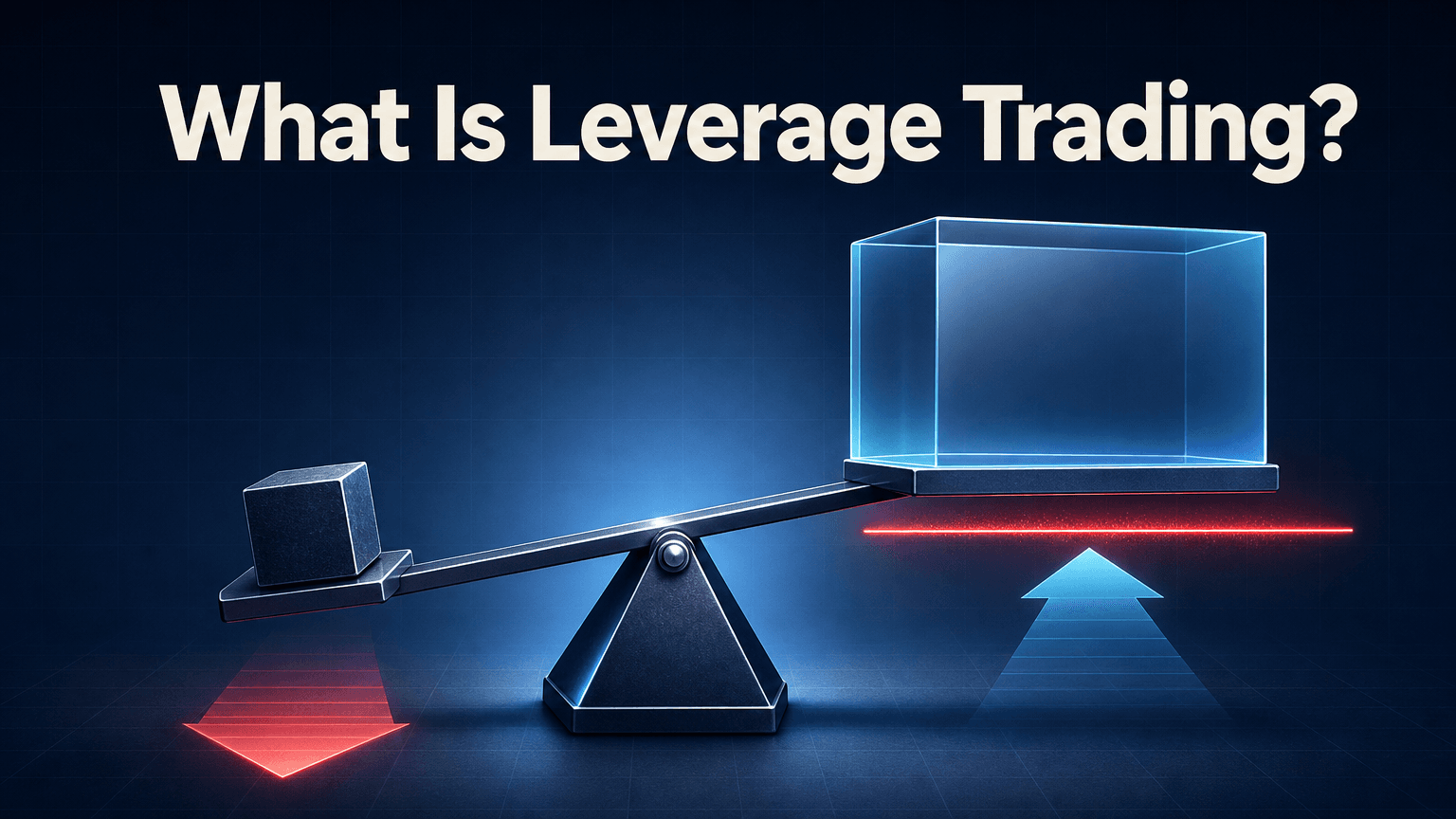
Leverage trading means opening a position larger than the money a trader puts up, using a deposit called margin to cover it. A trader with $1,000 of margin and 10x leverage controls a $10,000 position, which magnifies profits when the price moves the right way and magnifies losses when it does not.
Leverage trading is common in crypto futures markets, where prices can move several percent within hours. Because the same multiplier applies to losses, leverage trading carries a risk that spot buying does not, including forced closure of the position and recurring costs for holding it.
What Is Leverage Trading and How Does It Work?
Leverage trading is a way of getting exposure to a larger position than the trader’s own money would allow, with the multiplier expressed as 2x, 10x or higher. The trader deposits margin, the exchange opens a position worth margin times leverage, and profit or loss is calculated on the full position and not on the deposit alone.
A simple example shows the effect. With $1,000 of margin and 10x leverage, the position is worth $10,000. If the price rises 5%, the position gains $500, which is 50% of the margin. If the price falls 5%, the position loses $500, or 50% of the margin, and a 10% fall would erase the entire margin. The same move in a spot purchase of $1,000 would change the value by only $50 either way. Higher leverage means a smaller price move is enough to cause large losses.
What Is Margin in Leverage Trading?
Margin is the deposit that backs a leveraged position, and it comes in two forms: the initial margin needed to open the position and the maintenance margin needed to keep it open. The initial margin equals the position value divided by the leverage, so a $10,000 position at 10x needs $1,000. Maintenance margin is a smaller minimum that varies by platform and by position size, and when the account falls below it, the position becomes eligible for liquidation.
Most platforms offer two margin modes. In isolated margin, only the margin assigned to that position is at risk, so the loss is limited to that amount. In cross margin, the whole account balance can be used to support the position, which delays liquidation but puts more of the balance at risk. Neither is safer in every case, and the better choice depends on how the trader manages risk across positions.
What Is Liquidation and How Is the Liquidation Price Reached?
Liquidation happens when losses reduce a position’s margin below the maintenance requirement and the exchange closes the position automatically to prevent further loss. The trader usually loses the margin assigned to that position, and on some platforms fees or an insurance mechanism also apply.
A simplified illustration helps. A trader buys at $100 with 10x leverage, so the margin is 10% of the position. If the platform’s maintenance margin is assumed to be 0.5% of the position, liquidation occurs when the loss reaches about 9.5% of the position, which is a price near $90.50. The calculation is entry price times (1 minus 1 divided by leverage plus the maintenance margin rate), or 100 times (1 minus 0.10 plus 0.005). A short position works the other way, with liquidation above the entry price. Real liquidation prices differ because platforms use their own formulas, fees and mark prices, so the figure shown on the trading page is the one that counts. Higher leverage places the liquidation price closer to the entry price, which is why small moves can be enough.
-- Price
What Are Funding Fees in Leverage Trading?
Funding fees are periodic payments between long and short traders on perpetual contracts, designed to keep the contract price close to the spot price. Perpetual contracts have no expiry date, so the funding rate is the mechanism that links them to the market price. When the contract trades above spot, longs usually pay shorts, and when it trades below, shorts usually pay longs. The rate can be positive or negative and changes over time.
The payment equals the position value multiplied by the funding rate at each interval, and many platforms apply it every eight hours, though the schedule varies. As an illustration, a $10,000 position at a funding rate of 0.01% pays about $1 per interval, or about $3 a day. If the rate stayed the same for 30 days, that would come to around $90, roughly 9% of $1,000 margin. Rates change, so the figure is only an example, but it shows why holding a leveraged position for a long time can cost more than expected. Trading fees and slippage add to the cost.
How Can Beginners Manage the Risks of Leverage Trading?
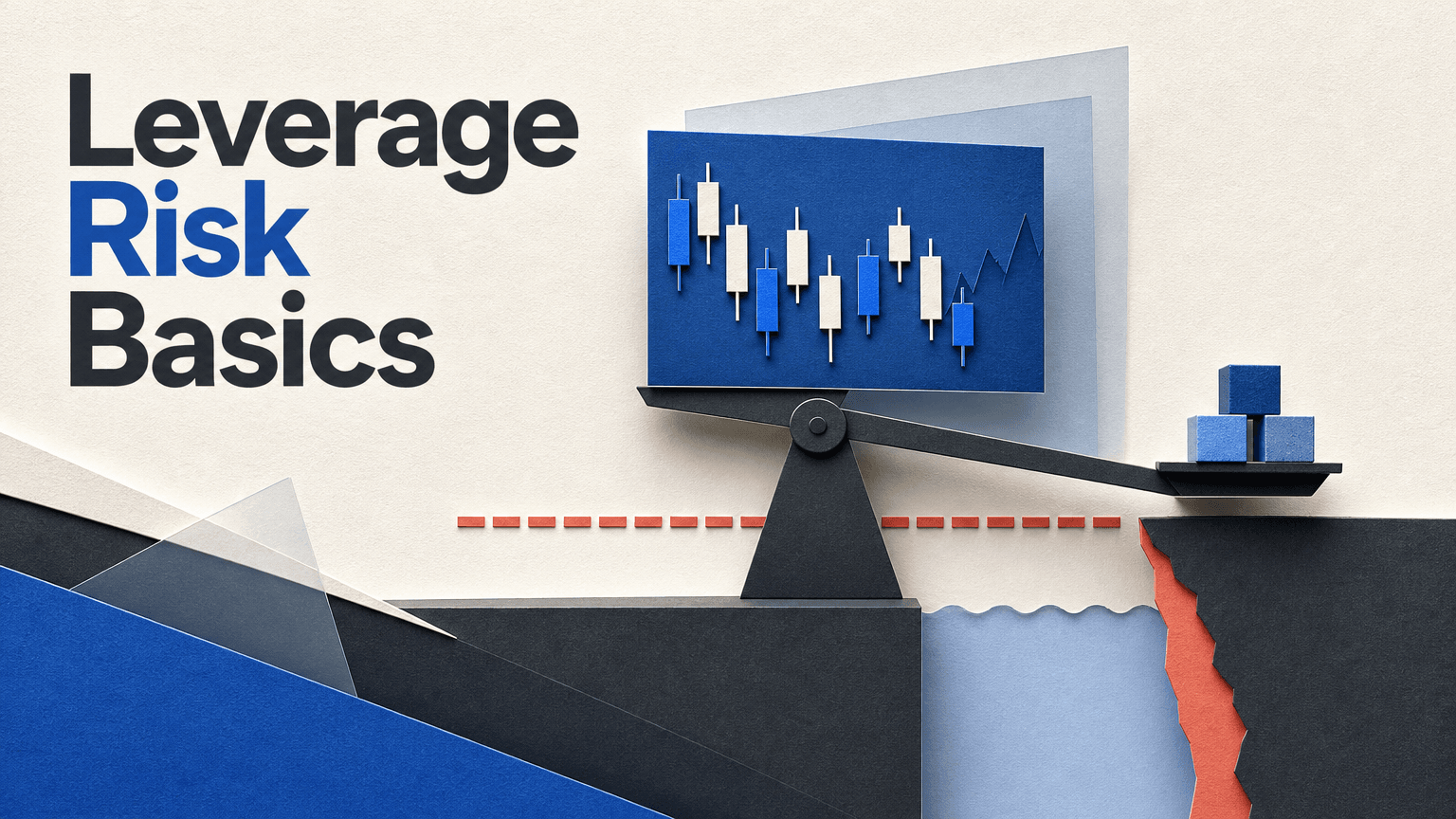
Beginners can manage the risks of leverage trading by using low leverage, setting a stop-loss, sizing positions small and leaving a margin buffer. Low leverage keeps the liquidation price further from the entry price, which gives the trade room to move. A stop-loss closes the position at a chosen level before liquidation can happen, though in fast markets it may fill at a worse price than planned.
Position size matters as much as the multiplier. Some traders limit the amount they are willing to lose on a single trade to a small share of their account, and then work backward to find the size. It also helps to avoid the maximum leverage offered, to watch funding rates on positions held for days, and to avoid adding margin to a losing position without a plan. Practicing with a demo account or very small amounts first can show how fast a position can move. These are general education points, not a recommendation to use leverage.
Conclusion
Leverage trading lets a trader control a larger position with a smaller deposit, which magnifies both gains and losses. Margin backs the position, liquidation closes it when margin falls below the maintenance level, and funding fees add a recurring cost on perpetual contracts.
Leverage trading carries a risk of losing the full margin, so it is worth understanding how margin, liquidation price and funding costs work, and how position size and a stop-loss limit the downside, before using it.
FAQ
1. What is leverage trading?
Leverage trading means controlling a larger position with a smaller deposit called margin. It magnifies both gains and losses.
2. What is margin in leverage trading?
Margin is the deposit that backs a leveraged position. Initial margin opens the position, and maintenance margin is the minimum needed to keep it open.
3. What is liquidation in leverage trading?
Liquidation is the forced closing of a leveraged position when margin falls below the maintenance level. The trader usually loses the margin assigned to that position.
4. What are funding fees in leverage trading?
Funding fees are periodic payments between long and short traders on perpetual contracts. They can be positive or negative and add to the cost of holding a position.
5. Is leverage trading risky for beginners?
Leverage trading is risky because small price moves can cause large losses and liquidation. Beginners often start with low leverage, a stop-loss and small positions.
This content is provided for general informational purposes only and doesn't constitute financial, investment, legal, or tax advice. Any events, rewards, online promotions, or related information mentioned herein should not be considered a recommendation, solicitation, or invitation to purchase, sell, trade, or otherwise deal in any crypto assets. Crypto assets are highly volatile and may result in loss. The availability of WEEX services, products, and related events may vary by region. You are responsible for ensuring that your participation is in accordance with applicable local laws and regulations.
You may also like
Best Crypto Apps for Beginners: The Five Features That Actually Matter on Your Phone
Crypto Leverage Trading: What 400x Leverage Actually Costs You
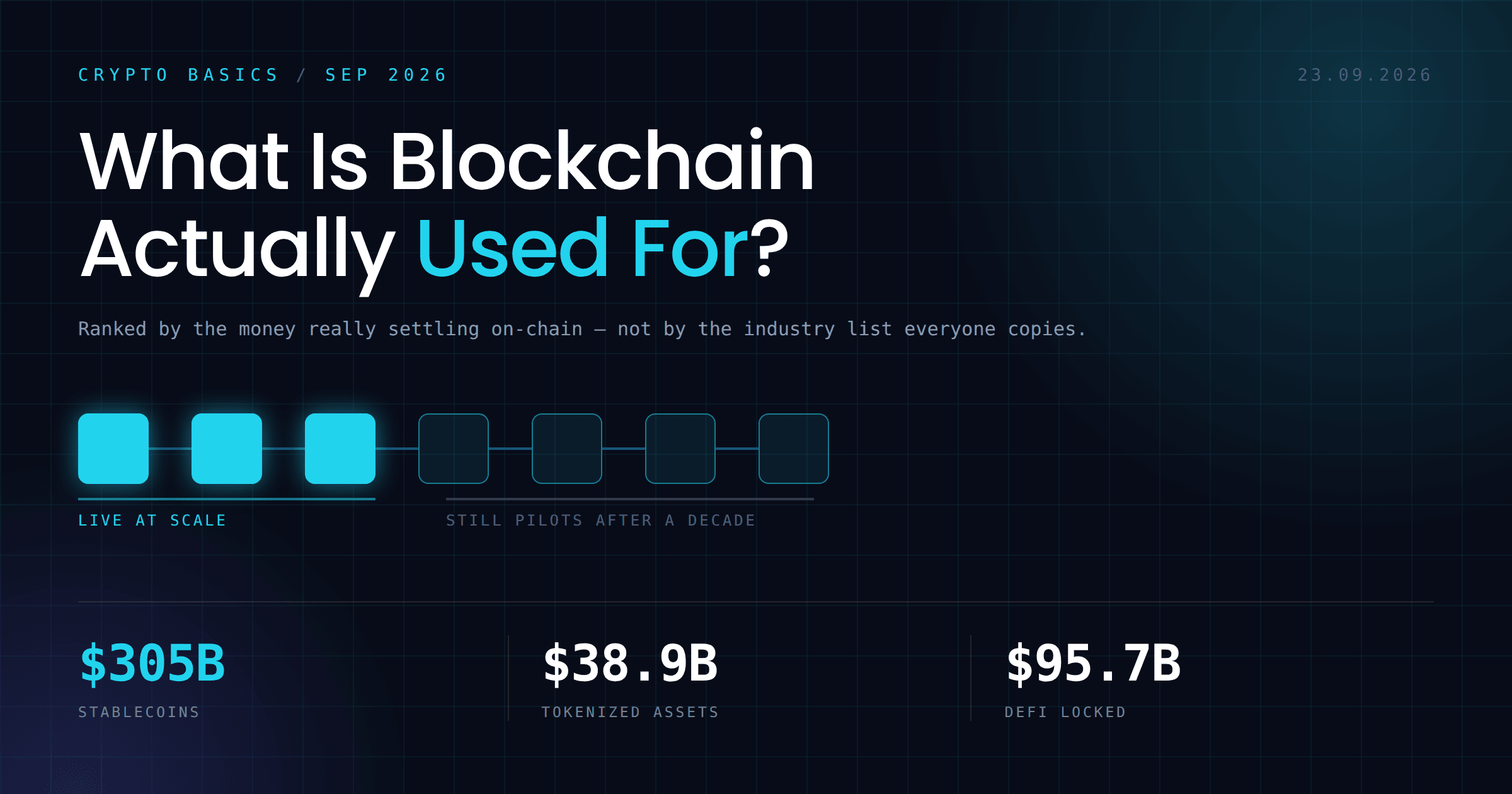
What Is Blockchain Used For? 2026 Uses, Ranked by Real Money

Vietnam VASP Licence: How the Crypto Licensing Regime Works and How to Verify a Platform
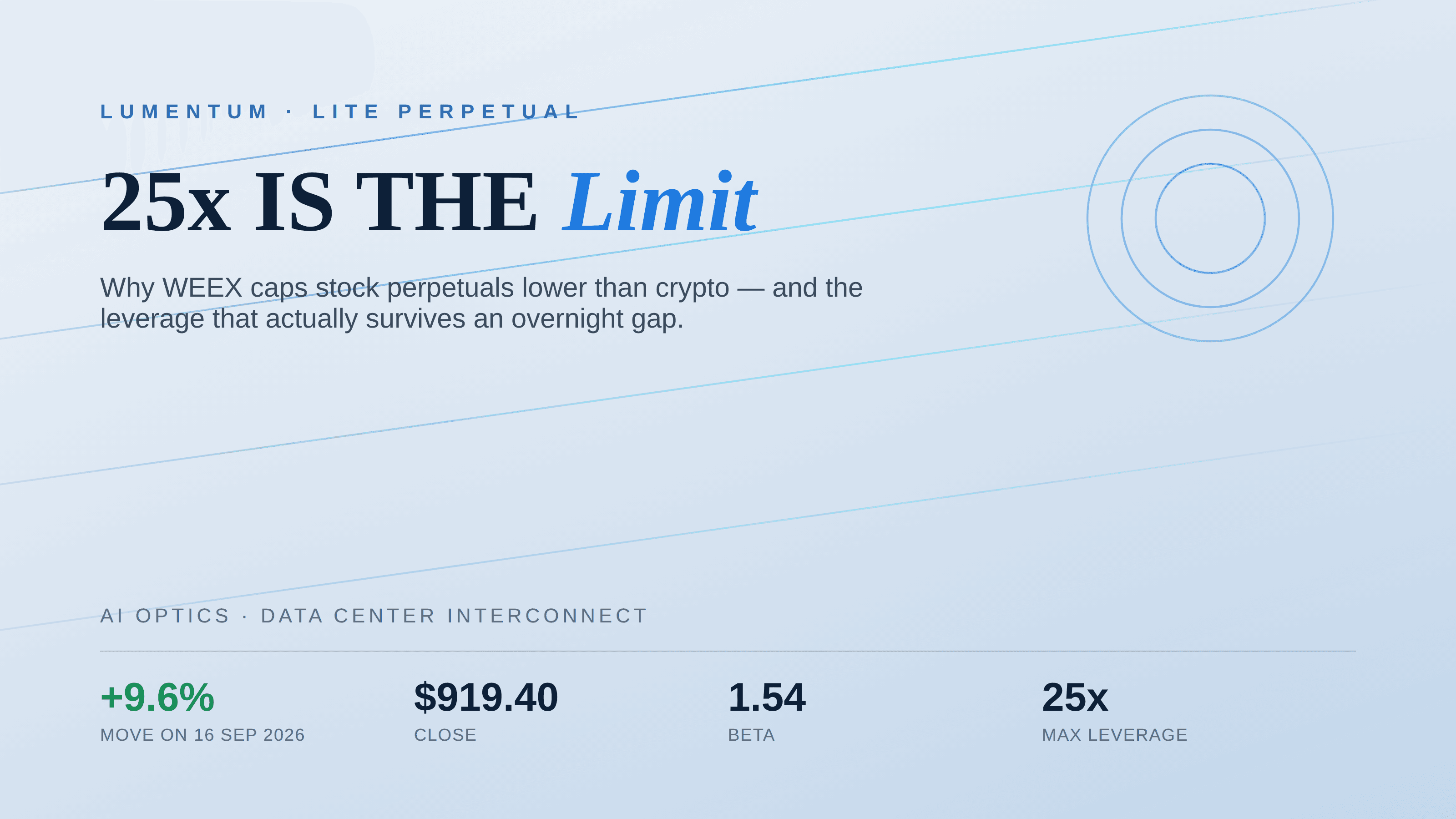
Lumentum (LITE) Perpetual Futures: Why 25x Leverage Is the Limit
The 17 October 2026 DBR Unlock: Six Allocations and deBridge's Vesting Schedule

Fake Crypto Payments: What to Check Before Handing Over Goods
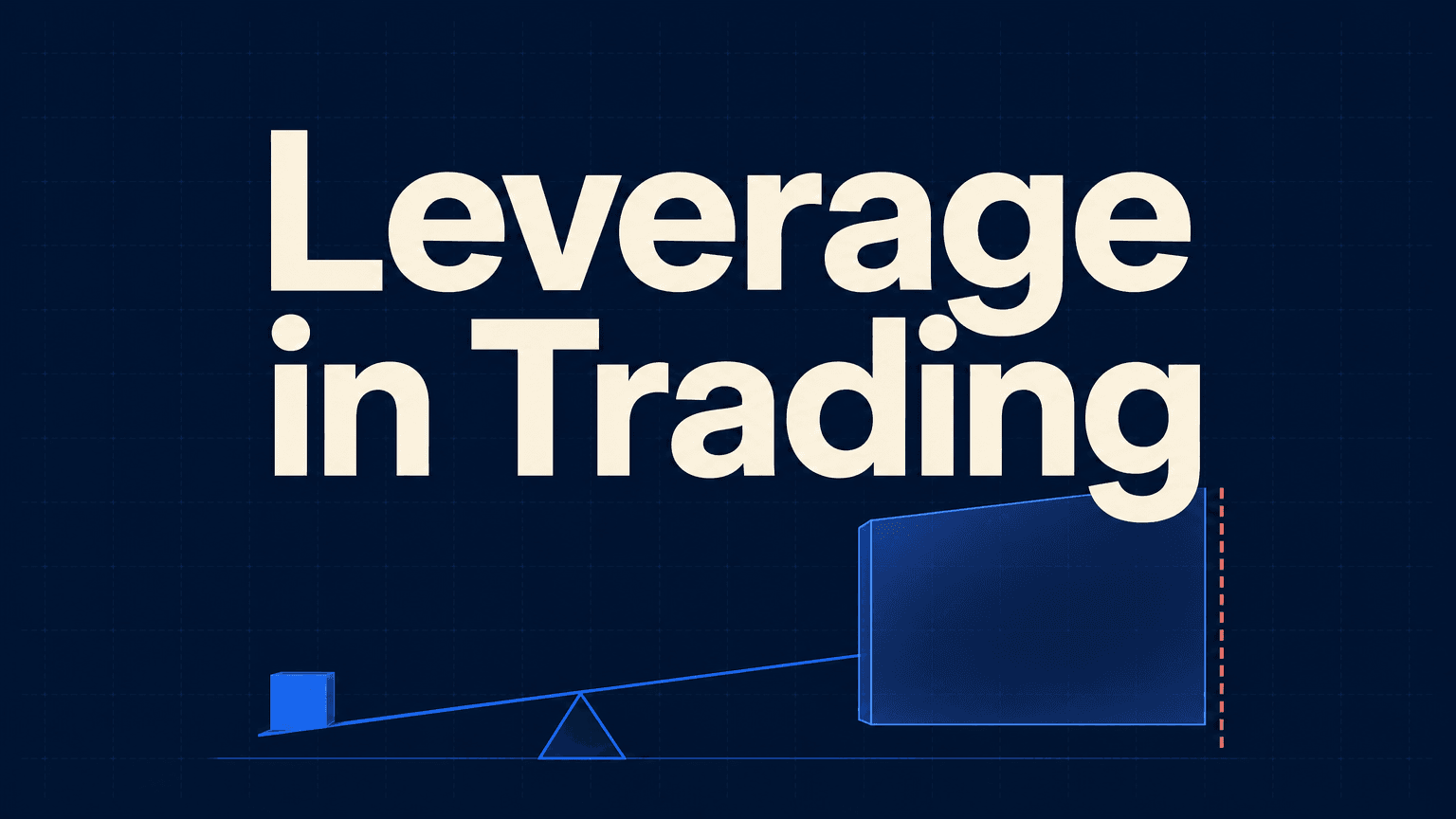
What Is Leverage in Trading? How Leverage Ratios Like 5x and 10x Work and What They Do to Your Risk
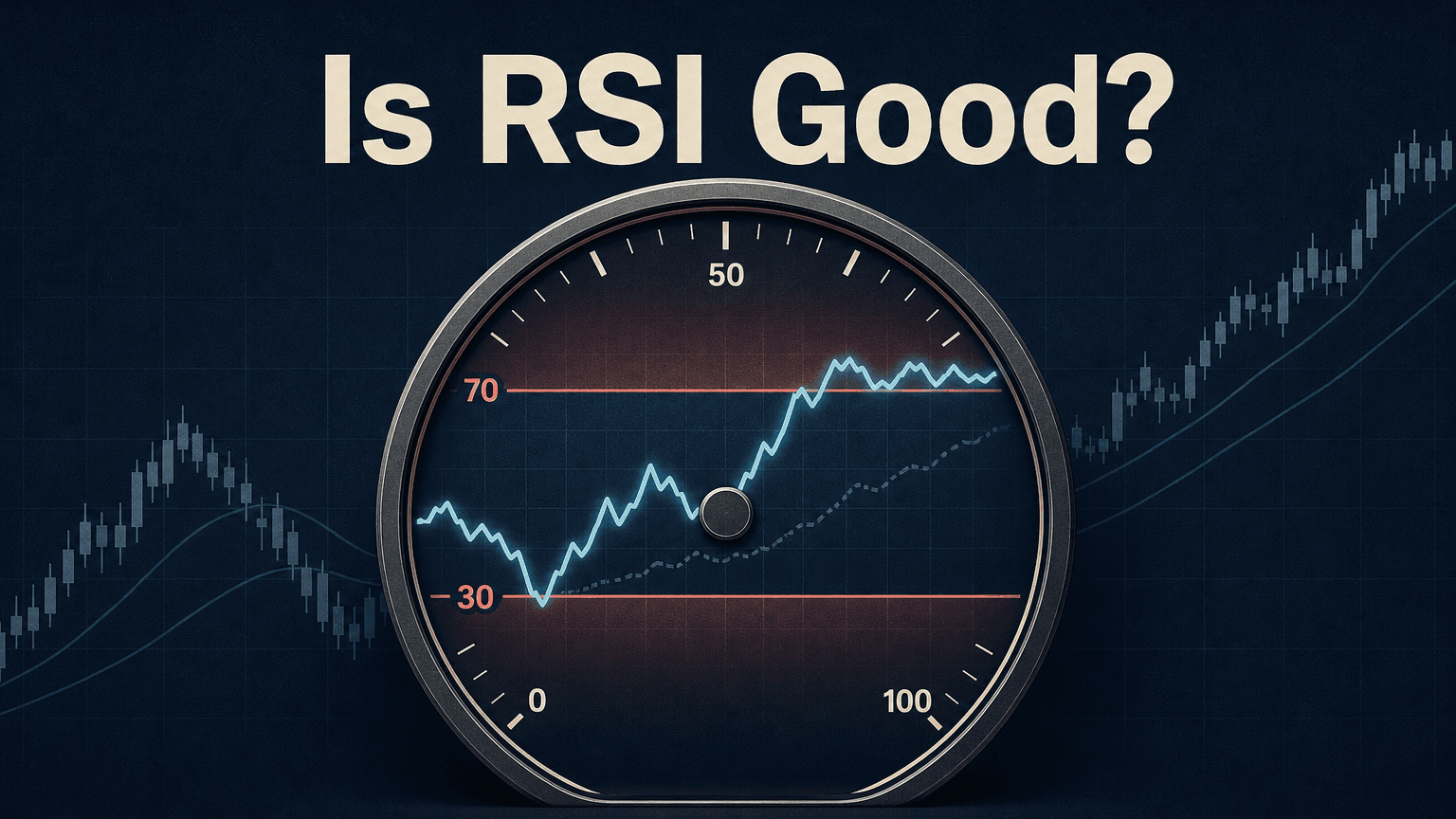
Is RSI a Good Indicator? How the Relative Strength Index Works, Its Limits and How Traders Use It
CXMT Stock Explained: What Is ChangXin Memory, Why It Fell on October 19 and What to Watch Next
Why Is CoreWeave (CRWV) Stock Falling? Debt, Bond Yields and What Analysts Say

KOSPI Whipsaw Explained: Samsung, SK Hynix and the AI Spending Doubts Behind the Swing
Is Bitget Leaving Russia? What Account Holders Should Check
How to Day Trade Crypto for Beginners: The Math Behind One Trade
Tokenized Stocks List 2026: Issuers, Sectors and What WEEX Lists
Trading Psychology for Beginners: Crypto Traps and Hard Rules
What Is a Bitcoin ETF? How Creation, Custody and Fees Work
What Is Blockchain and How Does It Work? One Transaction, Traced
The Cost of Idle USDT: What Unused Balances Miss Each Year
Flying Tesla Roadster (FTR) Coin: What Is It and What to Check Before Trading a Roadster Memecoin

Tesla Roadster Performance, Thrust and Rocket Trims: Specs, Price and 2028 Production

Cyberleek Token Risks: Memecoins Tied to Leaks, Anonymous Wallets and Why Verification Matters
Staking APR vs Inflation: How Much of Your Crypto Yield Is Real?
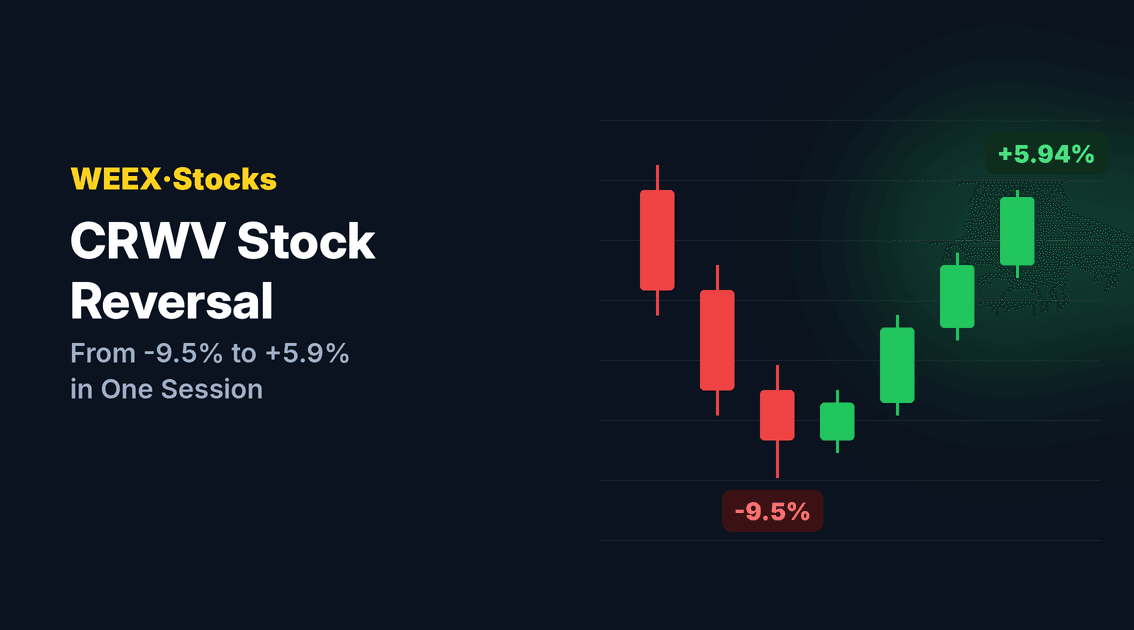
CRWV Stock Swings From -9.5% to +5.9%: Why CoreWeave Reversed
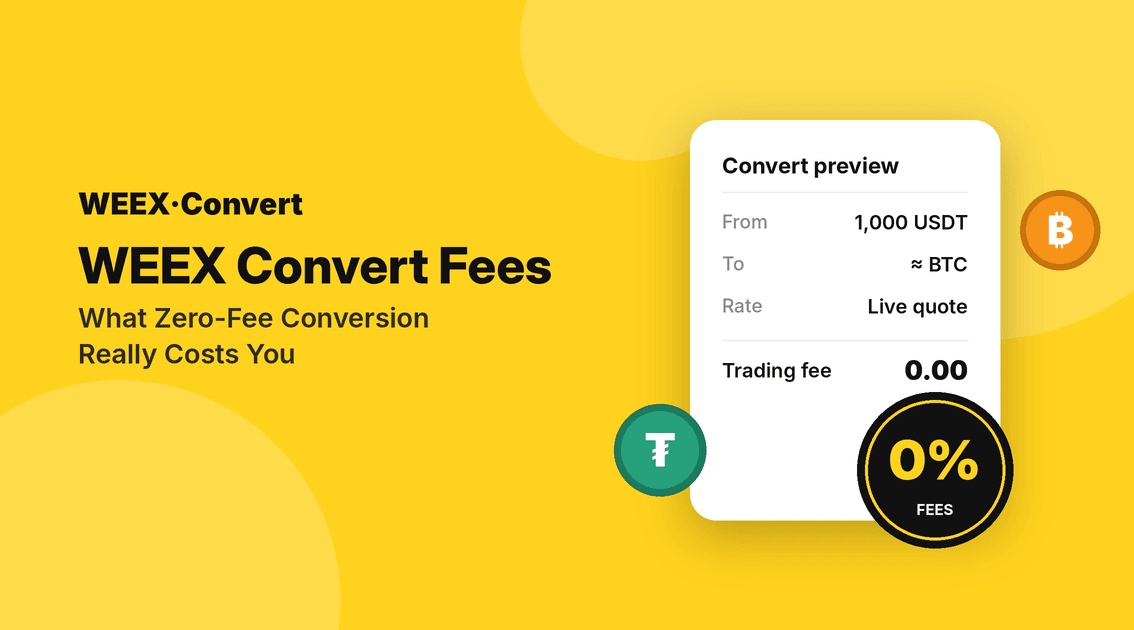
WEEX Convert Fees: What Zero-Fee Conversion Really Costs You
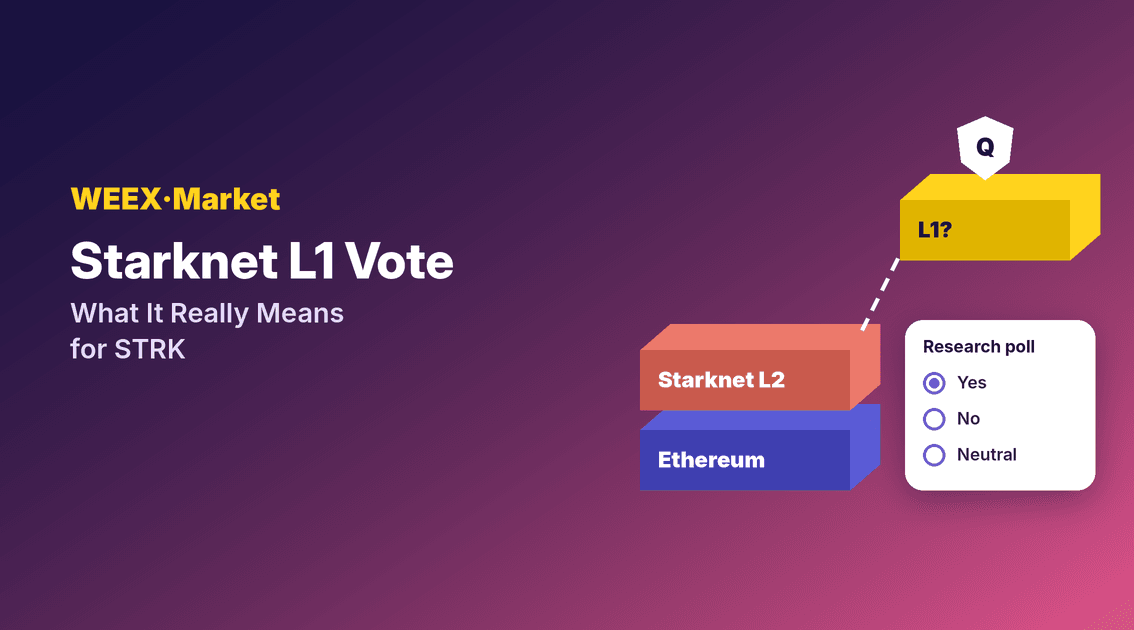
Starknet Independent L1 Vote: What It Really Means for STRK
WEEX Convert Quote: How the 8-Second Price Lock Really Works
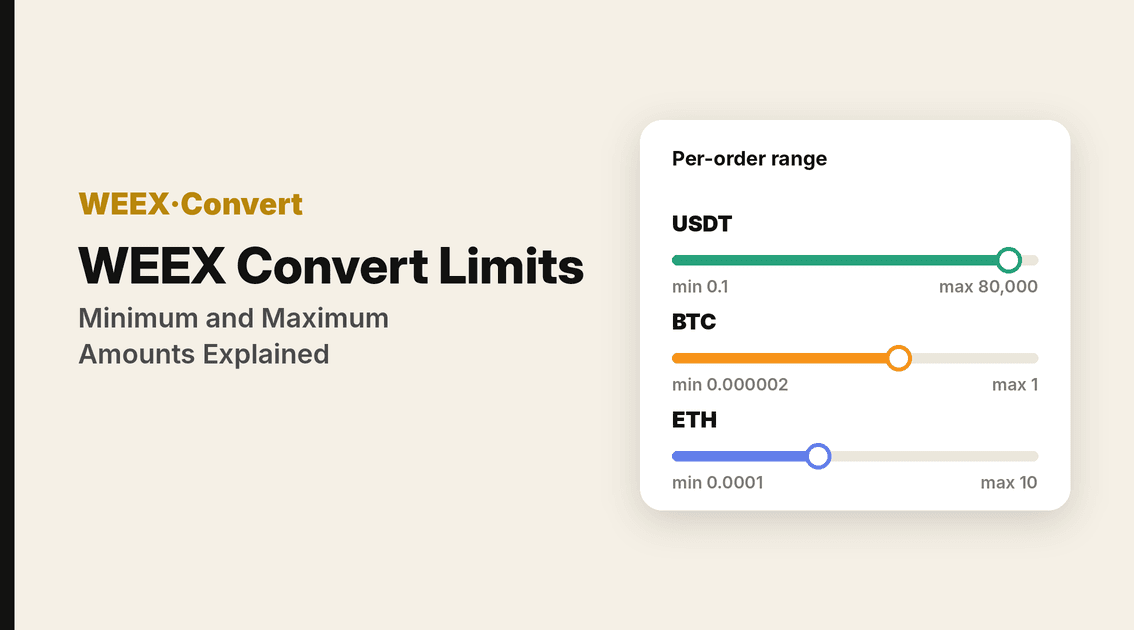
WEEX Convert Limits: Minimum and Maximum Amounts Explained
How to Check a WEEX Convert Order: History, Rate and Status

What Is Walrus Coin (WAL)? Why It Is Rising and What Is Still Unconfirmed
Best Crypto Apps for Beginners: The Five Features That Actually Matter on Your Phone
Crypto Leverage Trading: What 400x Leverage Actually Costs You
What Is Blockchain Used For? 2026 Uses, Ranked by Real Money
Vietnam VASP Licence: How the Crypto Licensing Regime Works and How to Verify a Platform
Lumentum (LITE) Perpetual Futures: Why 25x Leverage Is the Limit
The 17 October 2026 DBR Unlock: Six Allocations and deBridge's Vesting Schedule





