
What Is Crypto Margin Trading? How It Works, How It Differs From Futures and What Can Go Wrong

 Prefer us on Google


Crypto margin trading means borrowing money or coins from a platform, using your own assets as collateral, to trade a larger position than your balance would allow. A trader who deposits 1,000 USDT and borrows another 1,000 USDT can buy 2,000 USDT worth of a coin, while the borrowed amount, plus interest, still has to be repaid.
People searching for what is margin trading crypto often mix it up with futures trading, but the two work differently. In crypto margin trading the trader borrows real assets and pays interest on them, and the position can be closed by force if the collateral loses too much value. Knowing that difference helps a trader judge the costs and the risks before opening a position.
What Is Crypto Margin Trading and How Does Borrowing Work?
Crypto margin trading is trading with borrowed funds, where the trader’s own deposit acts as collateral for the loan. The platform lends USDT or another asset so the trader can buy more of a coin than the deposit alone would cover, or lends a coin so the trader can sell it in the hope of buying it back cheaper. Because the loan must be repaid in full no matter what happens to the price, the lender needs protection, and the collateral provides it. If the trade moves against the trader, the collateral absorbs the loss first.
An example shows the effect. A trader deposits 1,000 USDT, borrows 1,000 USDT and buys 2,000 USDT worth of a coin, which is 2x leverage. If the coin rises 10%, the position is worth 2,200 USDT, and after repaying the 1,000 USDT loan the trader holds 1,200 USDT, a 20% gain on the deposit before interest and fees, by the author’s arithmetic. If the coin falls 10%, the position is worth 1,800 USDT, the trader holds 800 USDT after repaying the loan, and the loss is 20% of the deposit. The borrowing multiplies the result in both directions, while the loan stays fixed.
How Does Crypto Margin Trading Work Step by Step?
Crypto margin trading usually follows five steps: deposit collateral, borrow, trade, monitor the margin level and repay the loan when the position closes. The trader first moves funds into a margin account, which on many platforms is separate from the spot wallet, and chooses between isolated margin, where each trading pair has its own collateral, and cross margin, where one pool of collateral backs all positions. The trader then borrows up to the limit the platform allows, uses the funds to buy or sell, and watches a margin level, often shown as a ratio of the account’s assets to its debt.
Interest builds up while the loan is open. Rates differ by asset and platform and are often charged hourly or daily. As an illustration only, borrowing 1,000 USDT at 0.05% per day costs 0.5 USDT a day, or 5 USDT over ten days, which is 0.5% of a 1,000 USDT deposit. That cost is small for a short trade and larger for a position held for weeks. When the trader closes the position, the proceeds repay the loan and the accrued interest first, and what is left is the profit or loss. Sold coins, borrowed coins and repayments are all recorded in the margin account, so the history is worth checking.
What Are Margin Calls and Forced Liquidation in Crypto Margin Trading?
A margin call is a warning that collateral has fallen too far against the debt, and forced liquidation is the automatic closing of a position when it falls further. In traditional brokerage, a margin call asks the customer to add funds within a set time. Many crypto platforms work faster, sending alerts when the margin level approaches a threshold and then liquidating automatically without a waiting period, because prices can move quickly at any hour. The trader may therefore have little time to react once the account is close to the limit.
The exact thresholds depend on the platform, the asset and the margin mode, so the following is only an illustration. If a lender requires the assets in the account to be worth at least 110% of the debt, the 2x position above, with 2,000 USDT of assets and a 1,000 USDT loan, would be at risk once the assets fell to 1,100 USDT, which is a 45% fall from the purchase price, by the author’s arithmetic. Higher leverage narrows that gap quickly. During liquidation, the platform sells the collateral to repay the loan, often charges a liquidation fee, and in a fast market the sale can happen at a worse price than the displayed one.
-- Price
How Does Crypto Margin Trading Differ From Futures Trading?
Crypto margin trading involves borrowing real assets and paying interest, while futures trading uses contracts that follow a price without the trader borrowing or owning the underlying coin. In margin trading, the trader who buys with borrowed USDT actually holds the coins in the margin account and owes a debt that grows with interest. In futures, especially perpetual futures, the trader posts margin as collateral for a contract, there is no loan of the asset, and the ongoing cost usually comes from funding payments between long and short traders and from trading fees.
Other differences affect how each product is used. Futures platforms often offer higher maximum leverage and make it simple to go long or short with the same ticket, while margin trading on many platforms offers lower leverage and ties each trade to a specific asset pair and a borrowing limit. Both can lead to liquidation, and in both the losses are magnified, so neither is safer in every case. Availability also varies: some platforms offer one and not the other, and rules for leveraged products differ by country, so the platform’s terms and local regulations should be checked before choosing between them.
What Can Go Wrong, and How Do Traders Limit the Risks?
The main things that can go wrong are fast losses on the borrowed amount, interest that eats into returns, forced liquidation at a bad price and rules that change at short notice. A sudden fall of a few percent can wipe out a large share of the collateral at high leverage, and a coin that is borrowed and sold short can rise sharply, producing losses that keep growing until the position is closed. Platforms may also change borrowing limits, interest rates or accepted collateral during volatile periods, which can put a position under pressure even when the trader has not changed anything.
Traders usually limit these risks with small position sizes, low leverage, stop-loss orders placed well before the liquidation level and spare collateral that can be added to a position. They also check the interest rate before opening a trade, avoid holding leveraged positions for long periods without a reason and read the platform’s liquidation rules. None of these steps removes risk, and a careful trade can still lose money. Anyone new to leveraged products can start with spot trading, which has no borrowing, interest or liquidation, until the mechanics feel familiar.
Conclusion
Crypto margin trading uses borrowed funds and collateral to open positions larger than a trader’s own capital, which magnifies gains and losses and adds interest and liquidation risk. It differs from futures trading, where the trader holds a contract and does not borrow the asset.
Readers who are new to the topic can work through the examples with their own numbers, compare the interest and liquidation rules of the platform they consider and begin with small sizes or spot trading. Product availability, rates and rules differ by platform and country and can change.
FAQ
1. What is crypto margin trading?
Crypto margin trading means borrowing funds or coins against collateral to trade a larger position than your own balance allows. The loan and interest must be repaid.
2. How does crypto margin trading work?
A trader deposits collateral, borrows, trades and repays the loan when the position closes. In crypto margin trading, the position can be liquidated if the collateral falls too far against the debt.
3. What is the difference between crypto margin trading and futures trading?
Margin trading uses borrowed real assets and charges interest, while futures use contracts that track a price without borrowing the coin. Crypto margin trading and futures both carry liquidation risk.
4. What is a margin call in crypto?
A margin call is a warning that collateral has dropped too far compared with the debt. Many platforms skip the waiting period and liquidate automatically.
5. Is crypto margin trading risky?
Crypto margin trading carries a high risk of fast losses, interest costs and forced liquidation. Beginners often start with small sizes, low leverage or spot trading.
This content is provided for general informational purposes only and doesn't constitute financial, investment, legal, or tax advice. Any events, rewards, online promotions, or related information mentioned herein should not be considered a recommendation, solicitation, or invitation to purchase, sell, trade, or otherwise deal in any crypto assets. Crypto assets are highly volatile and may result in loss. The availability of WEEX services, products, and related events may vary by region. You are responsible for ensuring that your participation is in accordance with applicable local laws and regulations.
You may also like

Flying Tesla Roadster (FTR) Coin: What Is It and What to Check Before Trading a Roadster Memecoin

WEEX 2026 New User Guide: Register, Complete KYC, and Claim the Welcome Bonus (Step-by-Step)

How to Buy Crypto Anonymously: 5 Methods, Real Costs and Limits

ENA Token Price Drops After October 5 Unlock: What Happened to Ethena?
How to Day Trade Crypto for Beginners: Fees, Hours, Risk Math
Stock Market Crash Risk in 2026: The Warning Signs Worth Watching
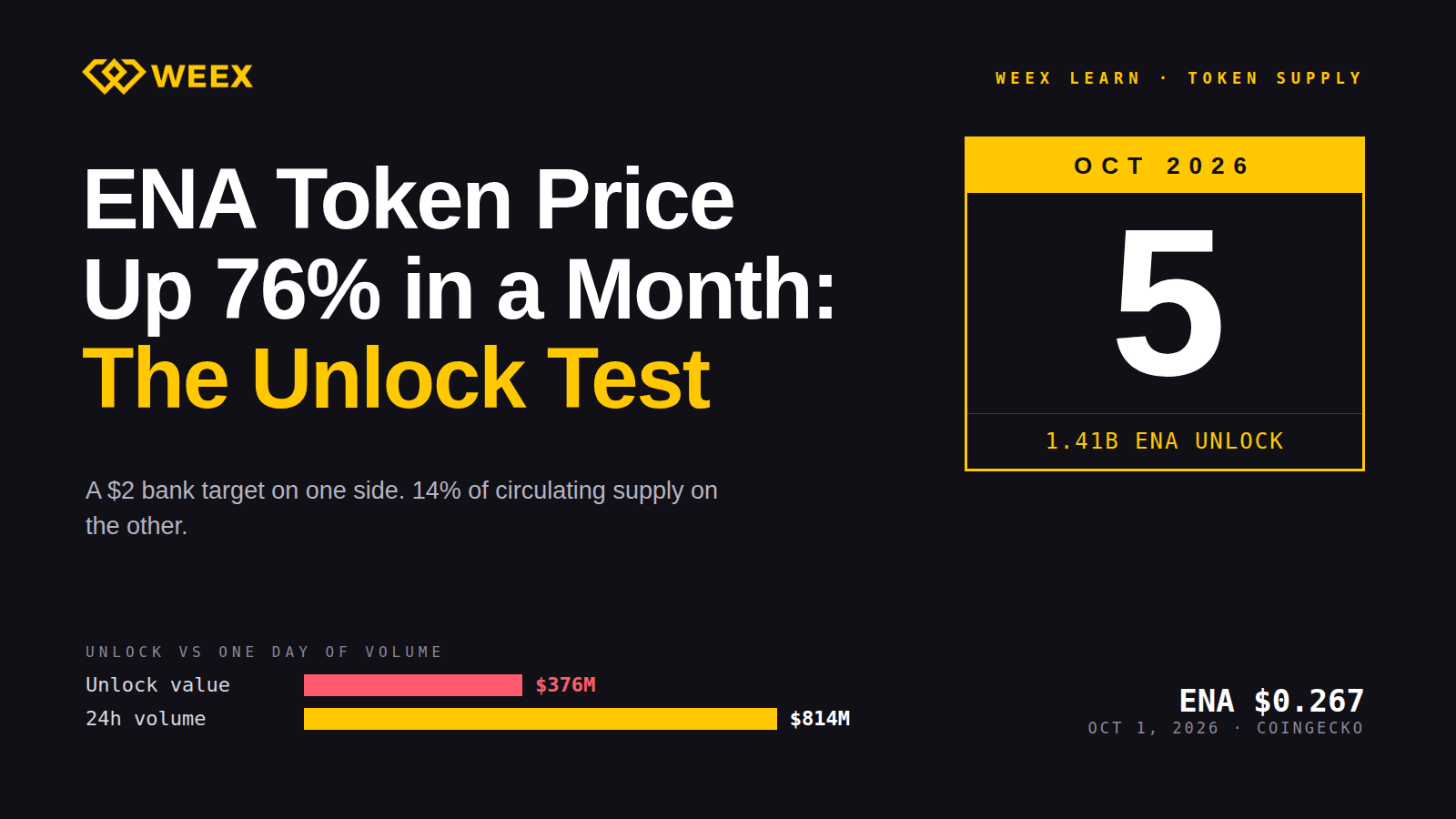
ENA Token Price Up 76% in a Month: The October 5 Unlock Test

How to manage Idle USDT? Top 5 Platforms to Earn Passive Income in 2026 OCT

Taiwan's Travel Rule Starts in October: What Domestic Crypto Transfers Will Require

Germany's Crypto Tax Draft 2027: What the 50 Percent Substitute Assessment Means
Self-Custody Wallets: When a Crypto Transfer Must Be Reported to Brazil's Coaf

Italian Crypto Tax Return 2026: Filing Deadline, Forms and Gains Rate
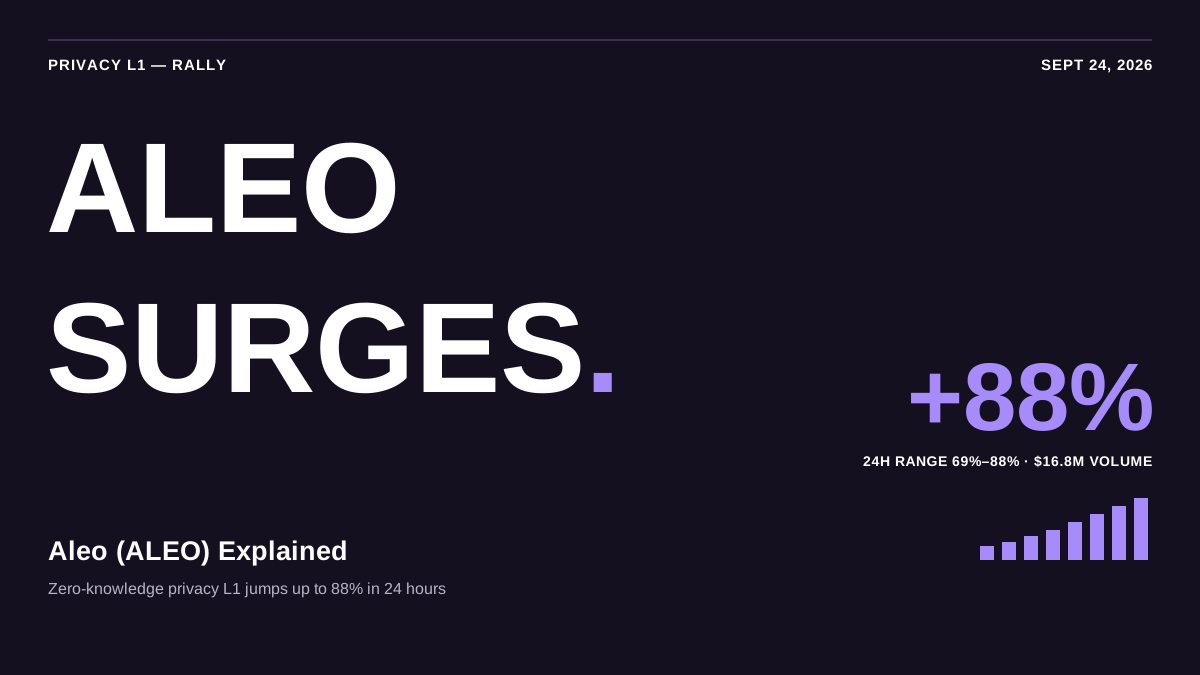
What Is Aleo (ALEO) Crypto, and Why Did Its Price Jump Up to 88%?
What Is Blockchain Technology? Follow One Transaction to See

What Is Pi Network? A Complete Beginner's Guide
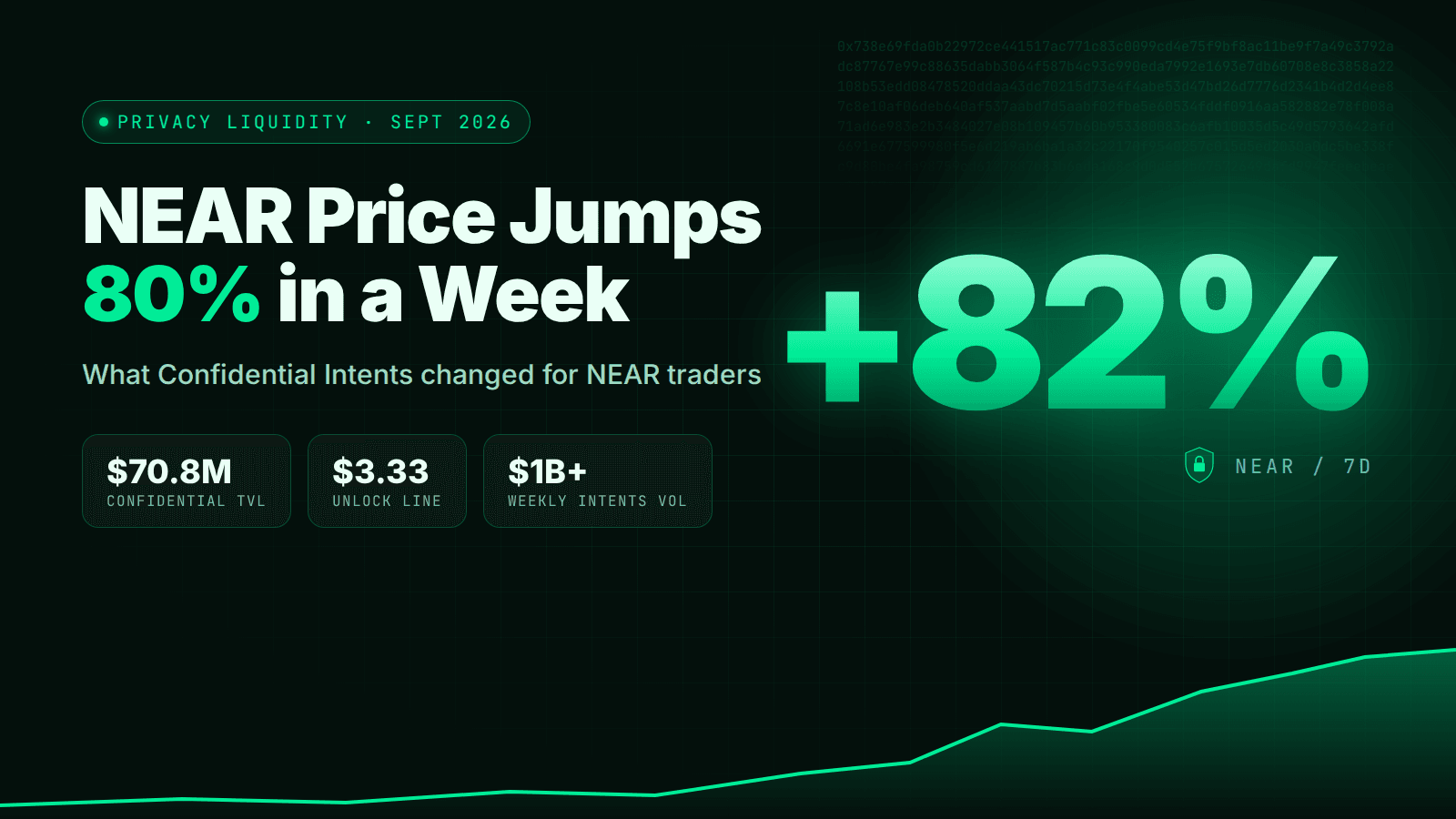
NEAR Price Jumps 80% in a Week: What Confidential Intents Changed

PENGU Airdrop on WEEX: Get 10 USDT in PENGU Before October 6

Why Did the CLARITY Act Fail in the Senate, and What Happens Next for Crypto Regulation?
Airdrops This Week (September 17-23, 2026): Official Conditions and Safety Checks
Senate CLARITY Act Cloture Vote Today: Can Trump's Ethics Compromise Get 60 Votes?
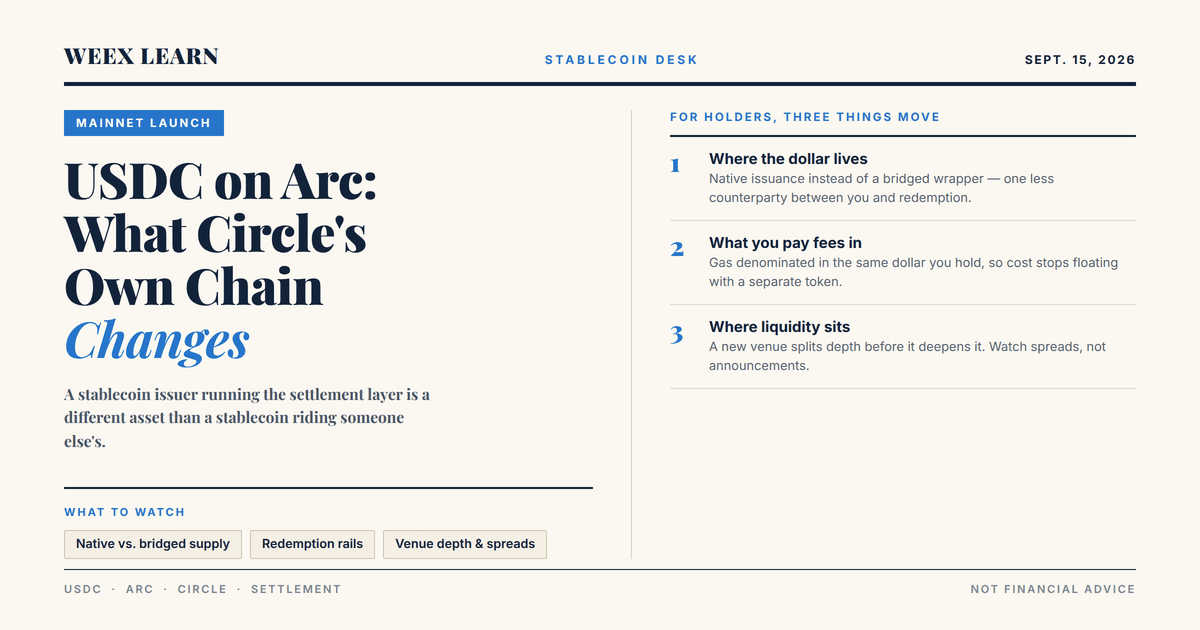
USDC on Arc: What Circle's Mainnet Launch Changes for Holders
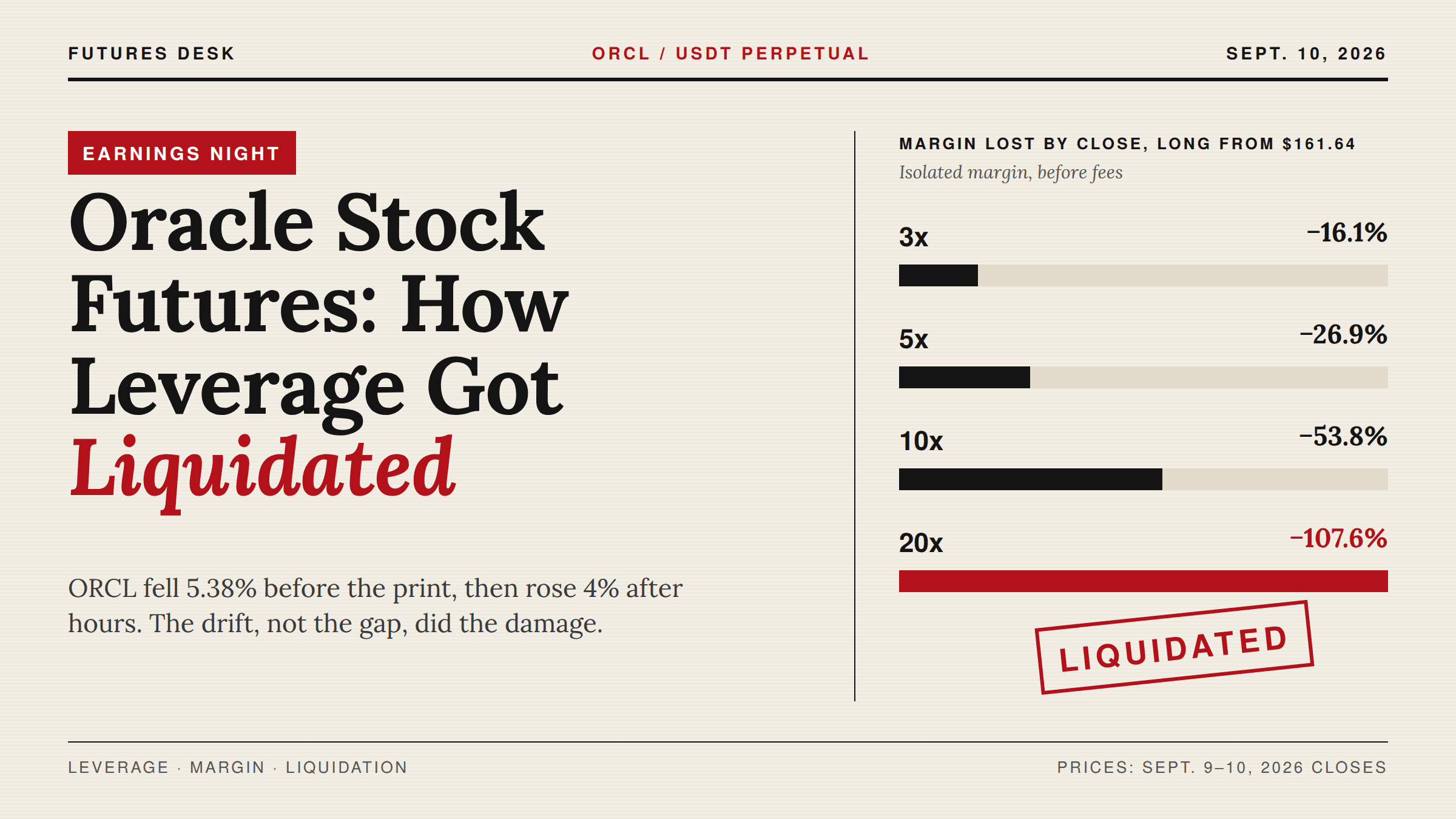
Oracle Stock Futures After Earnings: How Leverage Got Liquidated

MU Stock Reclaims $1,000 Again: What's Actually Different This Time

XST Coin Price Fell Over 40% for Two Straight Days: What That Pattern Actually Means
Is The US Becoming The Crypto Capital? Brad Garlinghouse's Bold Predictions Explained
GPT-6 Astra and Crypto: The AI Token Bid and the Cyber Risk
Nike Is Being Removed From the S&P 100: What a 12 Year Low Actually Means for the Stock
Lululemon Stock Crashes to an 8 Year Low Right Before Its New CEO Even Starts

PONS Robinhood Chain Token: What the Buyback Rally Rests On

Dell Stock Surges 9.4% After Smashing Earnings Estimates: What Drove the AI Server Beat
Flying Tesla Roadster (FTR) Coin: What Is It and What to Check Before Trading a Roadster Memecoin
WEEX 2026 New User Guide: Register, Complete KYC, and Claim the Welcome Bonus (Step-by-Step)
How to Buy Crypto Anonymously: 5 Methods, Real Costs and Limits
ENA Token Price Drops After October 5 Unlock: What Happened to Ethena?
How to Day Trade Crypto for Beginners: Fees, Hours, Risk Math
Stock Market Crash Risk in 2026: The Warning Signs Worth Watching





