
What is a Decentralized Exchange?

 Prefer us on Google


Decentralized Exchanges (DEX) vs. Centralized Exchanges (CEX): A Comparative Overview
Recent data indicates that the total cryptocurrency market capitalization has surpassed the trillion-dollar mark. Among the key players facilitating crypto trading are centralized exchanges (CEXs)—such as MEXC, Binance, and Coinbase—and their decentralized counterparts, known as DEXs.
Core Differences Between DEXs and CEXs
Custody of Assets
CEXs require users to deposit funds into wallets controlled by the exchange. This means users must trust the platform to secure their assets. In contrast, DEXs enable self-custody—users retain full control of their assets through personal wallets, interacting only with smart contracts to execute trades. This is one of the core decentralized exchange benefits.
Transaction Mechanism and Speed
CEXs process transactions off-chain, enabling near-instant execution and lower costs when liquidity is sufficient. DEXs operate on-chain: every trade is recorded on the blockchain, which can result in slower processing and higher transaction fees, especially during network congestion.
Security Considerations
Centralized exchanges, holding large amounts of user assets, have historically been targets for major hacks (e.g., Mt. Gox). DEXs reduce this risk by eliminating central custody—users are responsible for their own security.
Token Availability
CEXs typically list established tokens after a vetting process. DEXs offer more open access: almost any token can be traded provided someone creates a liquidity pool, encouraging broader and earlier access to new assets.
Key Features of DEXs
- On-Chain Execution: Trades are settled via smart contracts and immutable once confirmed on the blockchain.
- Permissionless Access: No sign-up or KYC is needed—users connect a wallet and begin trading.
- Non-Custodial: Users always control their private keys and funds, minimizing counterparty risk.
Evolution of DEXs
- 2014: Counterparty introduced peer-to-peer asset trading on Bitcoin.
- 2017: IDEX, built on Ethereum, saw limited adoption with under $5M in annual volume.
- 2018: Bancor proposed Automated Market Makers (AMMs), though low activity limited traction. Uniswap soon launched with a simplified, permissionless model.
- 2020: "DeFi Summer" marked explosive growth. Upgrades like Uniswap V2, Curve, and Aave V2 gained traction, and liquidity mining incentives helped push DeFi trading volume beyond $29 billion by year-end.
Many of these platforms relied on specialized decentralized exchange development services to implement their core functionalities and smart contracts.
Types of DEXs
Order Book Models
Order book DEXs mirror traditional exchange mechanics. Platforms like dYdX and Loopring record orders on-chain (fully decentralized) or off-chain (semi-decentralized). High gas fees on Ethereum have driven some projects to Layer 2 or high-throughput chains like Solana. Some projects also utilize ready-made decentralized exchange scripts or white label decentralized exchange software to accelerate their launch.
Liquidity Pool Models (AMM)
Most popular DEXs today (e.g., Uniswap, PancakeSwap) use AMMs. Users supply tokens to liquidity pools and earn fees. Trades are executed algorithmically against these pools, improving capital efficiency and enabling permissionless token listings. Emerging ecosystems like Sui decentralized exchange platforms are also adopting and iterating on this model.
-- Price
Can DEXs Replace CEXs?
DeFi’s rapid expansion has demonstrated the viability of DEXs, and incidents like the collapse of Mt. Gox and FTX have intensified scrutiny over centralized custody risks. However, when considering what are the major downsides of decentralized exchanges, challenges such as low transaction throughput, high fees, and complex user experiences become apparent.
For now, CEXs and DEXs coexist—with CEXs dominating in liquidity and user volume. Yet as scaling solutions improve and users increasingly prioritize self-custody, DEXs are positioned to capture greater market share. Many projects partner with a decentralized exchange development company to overcome technical hurdles and enhance usability, suggesting that DEXs may eventually compete on equal footing with centralized platforms.
Conclusion: Navigating the Future of Trading with Confidence
The evolution of exchanges—from centralized to decentralized models—reflects the crypto industry’s growing emphasis on security, transparency, and user sovereignty. While CEXs continue to dominate in liquidity and accessibility, DEXs are rapidly closing the gap, driven by technological innovation and increasing demand for self-custody solutions.
Whether you prefer the speed and simplicity of centralized trading or the control and transparency of decentralized platforms, what matters most is choosing a venue that aligns with your goals, risk tolerance, and values.
At WEEX Exchange, we combine the reliability and user experience of a top-tier centralized platform with a steadfast commitment to security and transparency. Trade with confidence using advanced tools, deep liquidity, and a seamless interface—all designed for traders at every level.
???? Sign up on WEEX today and join a platform that puts your trading journey first.
This content is provided for general informational purposes only and doesn't constitute financial, investment, legal, or tax advice. Any events, rewards, online promotions, or related information mentioned herein should not be considered a recommendation, solicitation, or invitation to purchase, sell, trade, or otherwise deal in any crypto assets. Crypto assets are highly volatile and may result in loss. The availability of WEEX services, products, and related events may vary by region. You are responsible for ensuring that your participation is in accordance with applicable local laws and regulations.
You may also like

What Is Blockchain and How Does It Work? One Transaction, Traced

Staking APR vs Inflation: How Much of Your Crypto Yield Is Real?
WEEX Convert Fees: What Zero-Fee Conversion Really Costs You
WEEX Convert Quote: How the 8-Second Price Lock Really Works
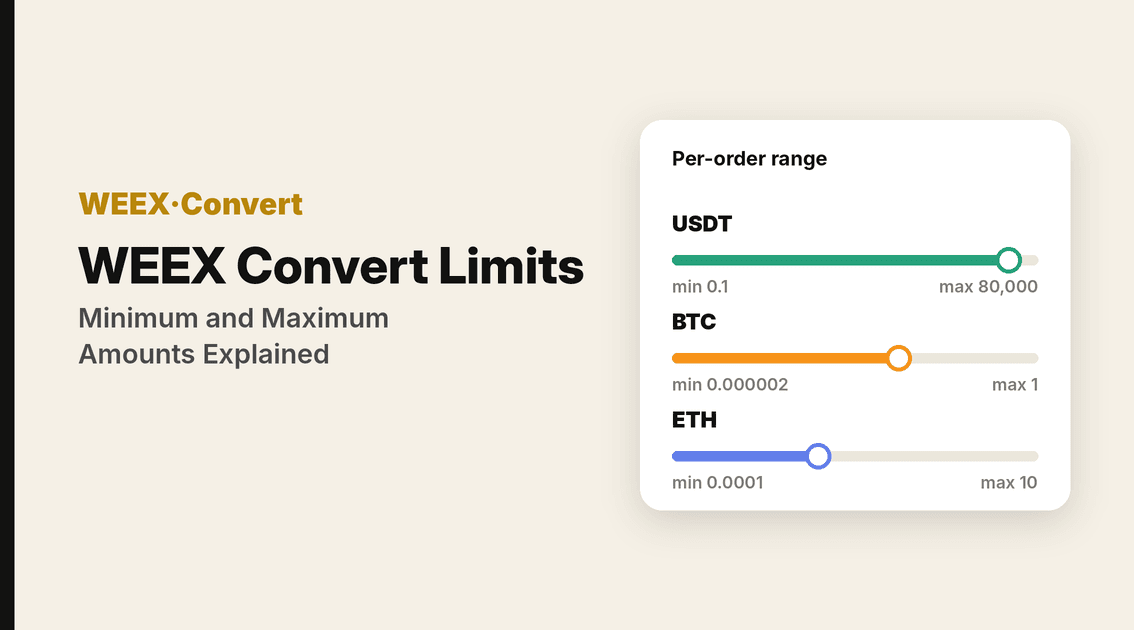
WEEX Convert Limits: Minimum and Maximum Amounts Explained
How to Check a WEEX Convert Order: History, Rate and Status
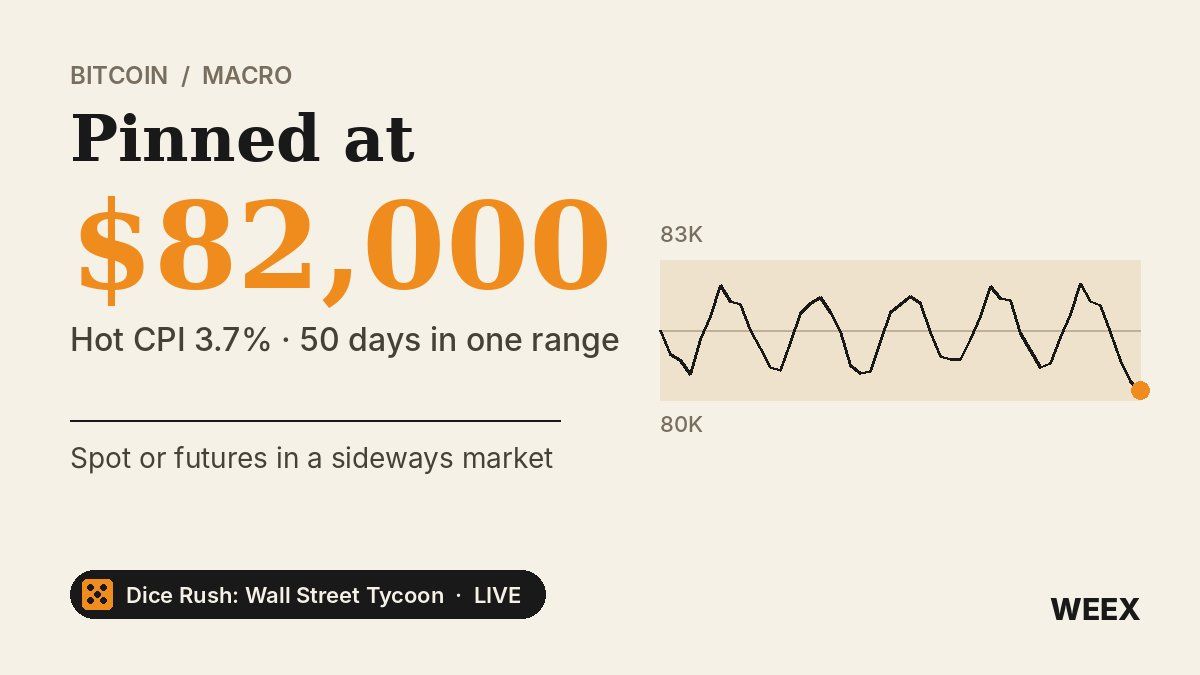
Bitcoin Price After Hot CPI: Why BTC Is Pinned Near $82,000
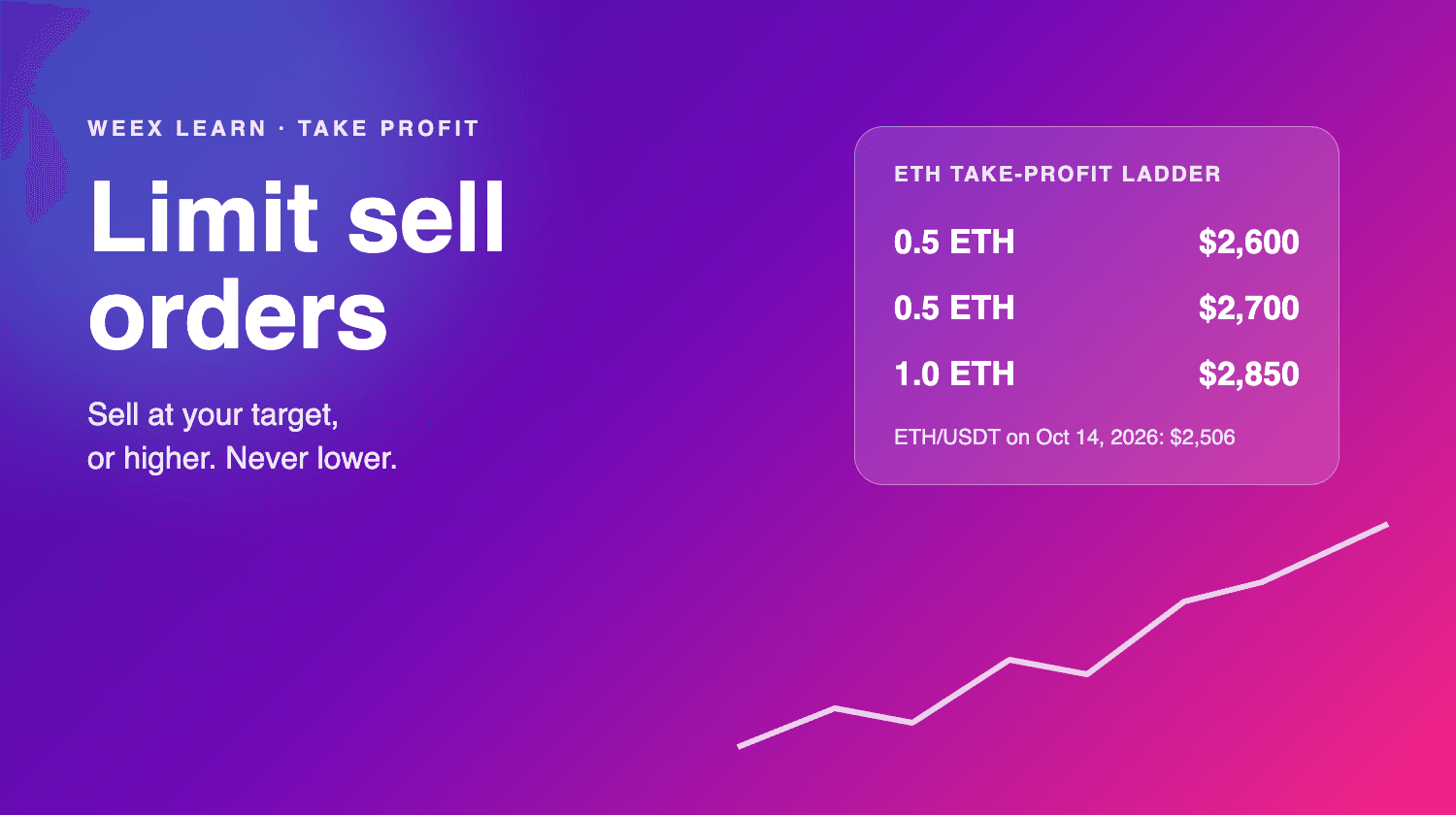
Limit Sell Order: How to Set a Take-Profit Price in Crypto

Best Crypto Podcasts for Beginners: A 4-Week Listening Plan

What Is Plume (PLUME)? Why the RWA Token Stays 93% Below Its High Even After the Layer 2 Rally
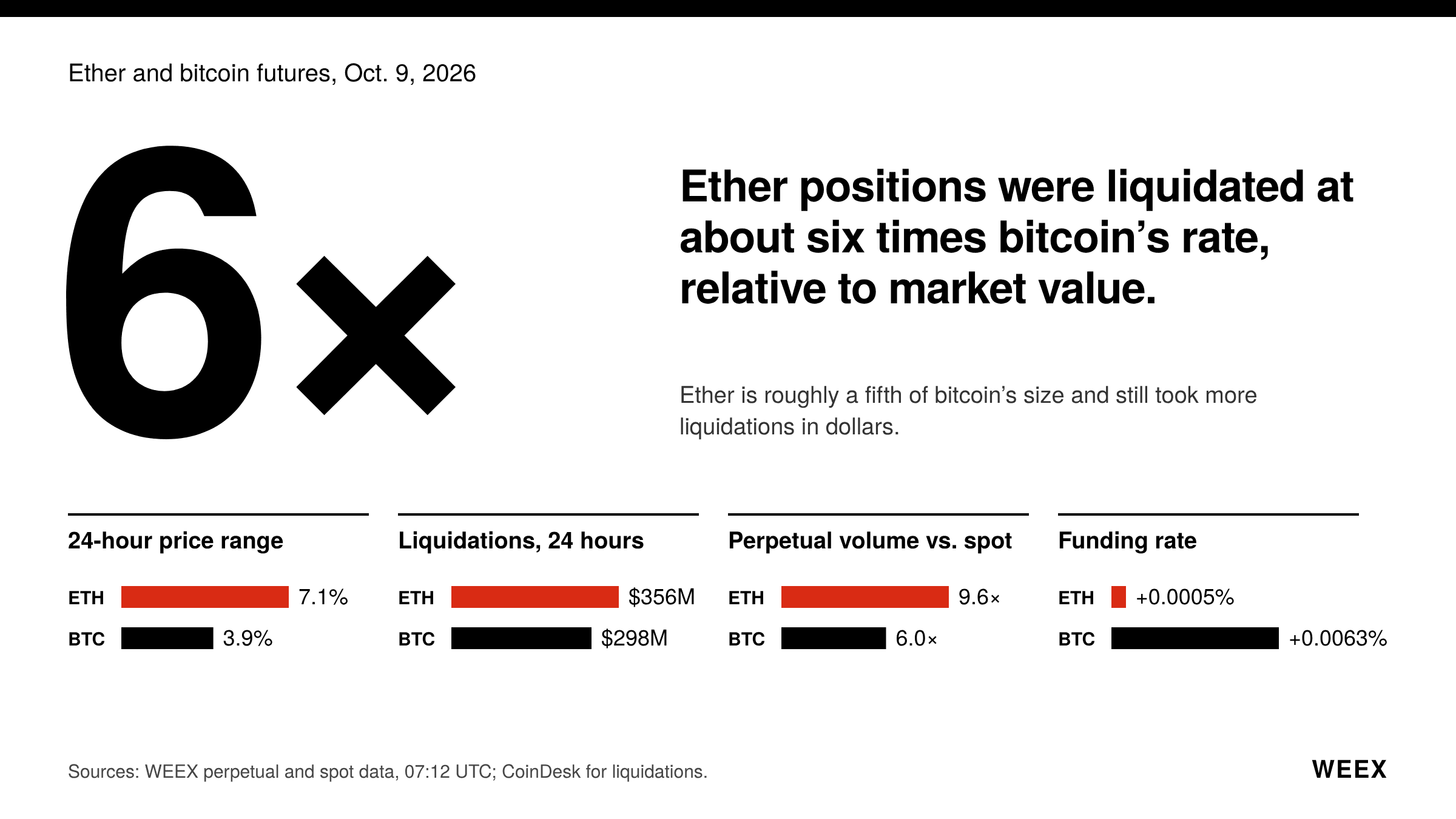
ETH Futures: Why Ether Is Falling Faster Than Bitcoin This Week
How to Buy Presale Crypto: Step by Step Guide for Beginners
Ethereum Glamsterdam Hits 200M Gas on Sepolia: What Changes After the Upgrade?

What Is Staking? 4 Myths to Clear Up Before You Stake Crypto
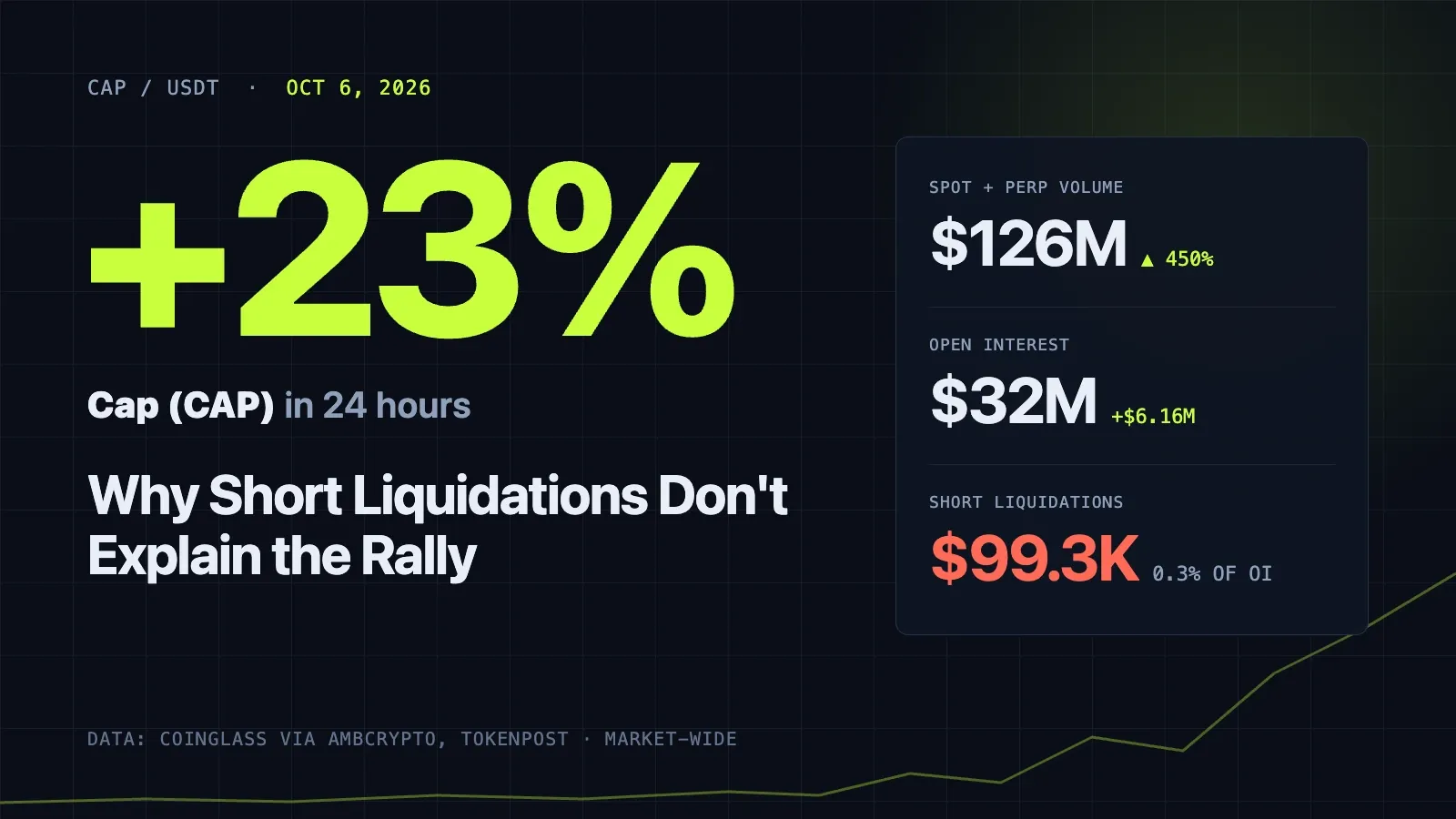
CAP Price Up 23%: Why Short Liquidations Don't Explain the Rally
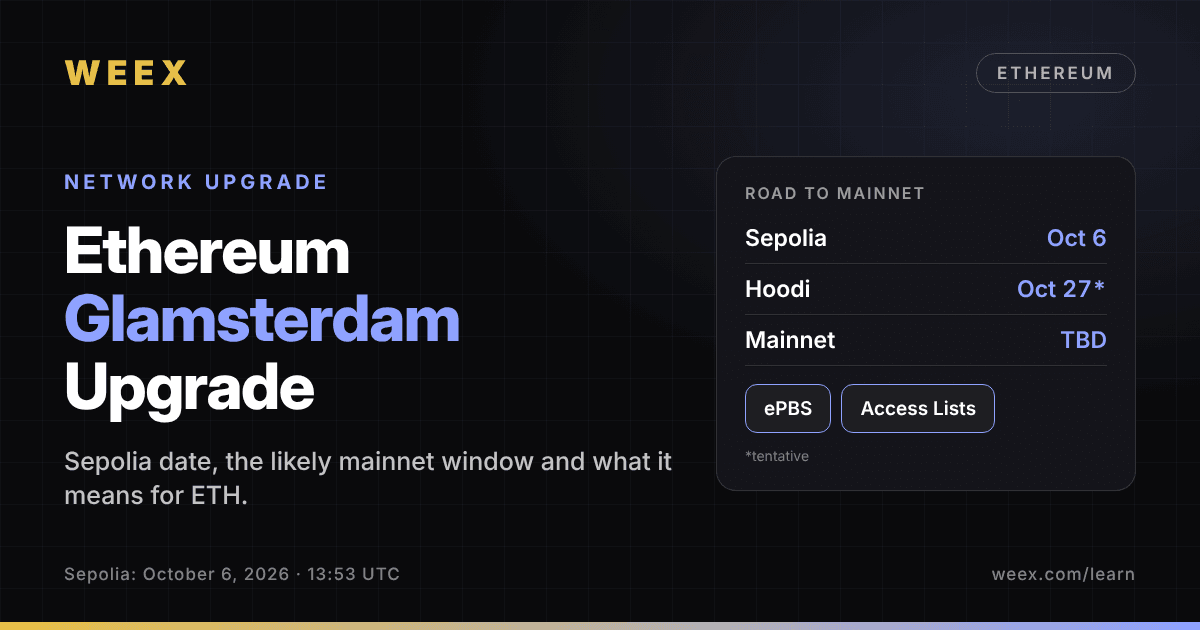
Ethereum Glamsterdam Upgrade: Sepolia Date and ETH Price Impact
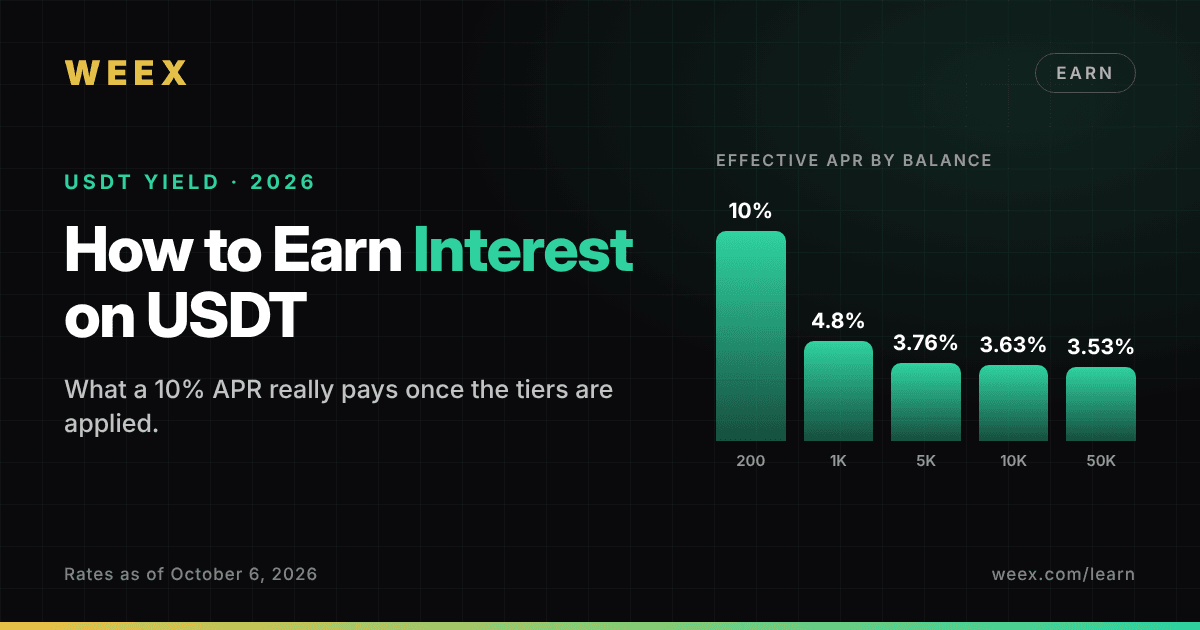
How to Earn Interest on USDT: What a 10% APR Really Pays in 2026

How to Buy Crypto With Apple Pay in 5 Steps: Why Your Bank May Decline the Payment
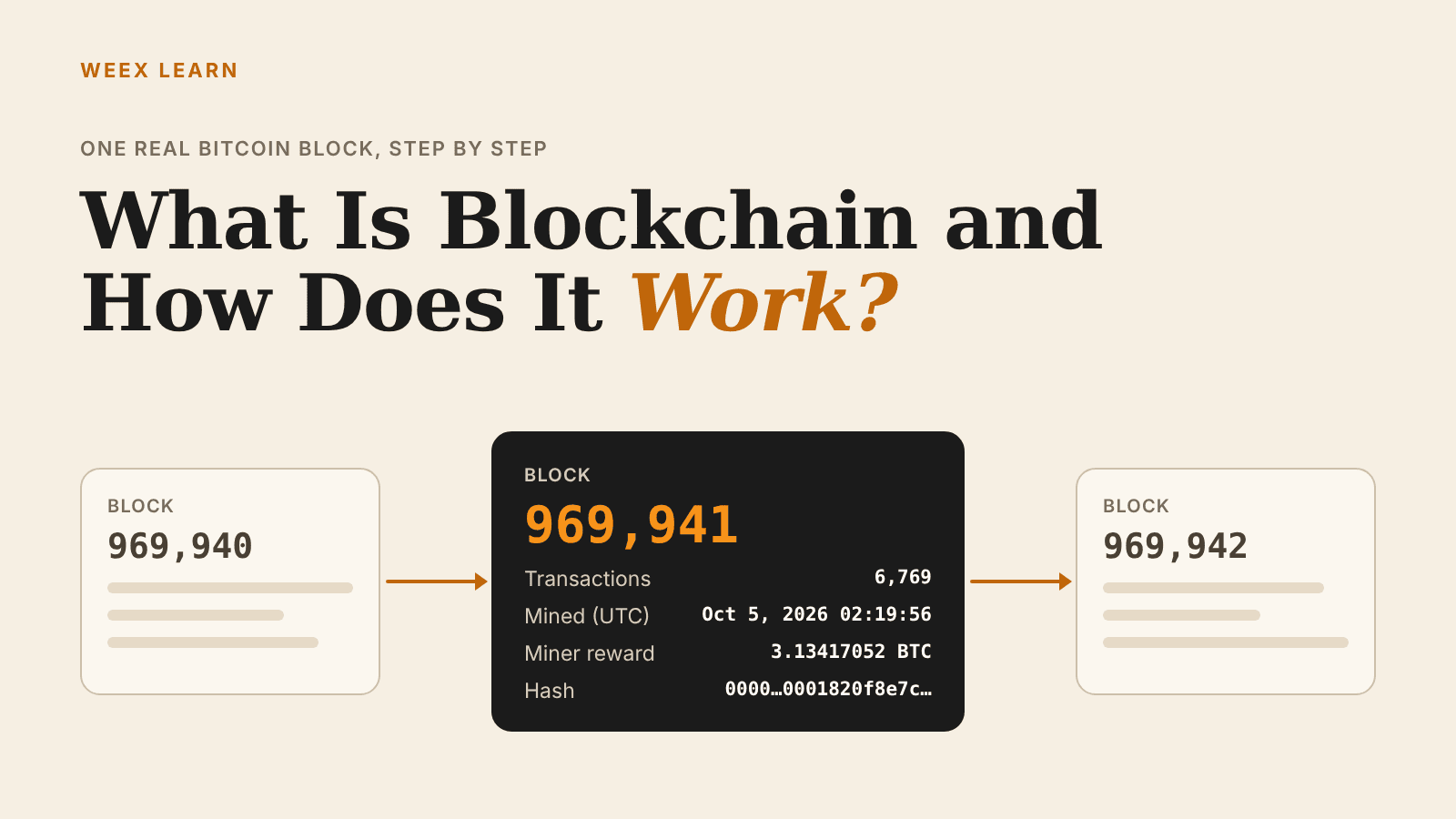
What Is Blockchain and How Does It Work? One Real Block Explained
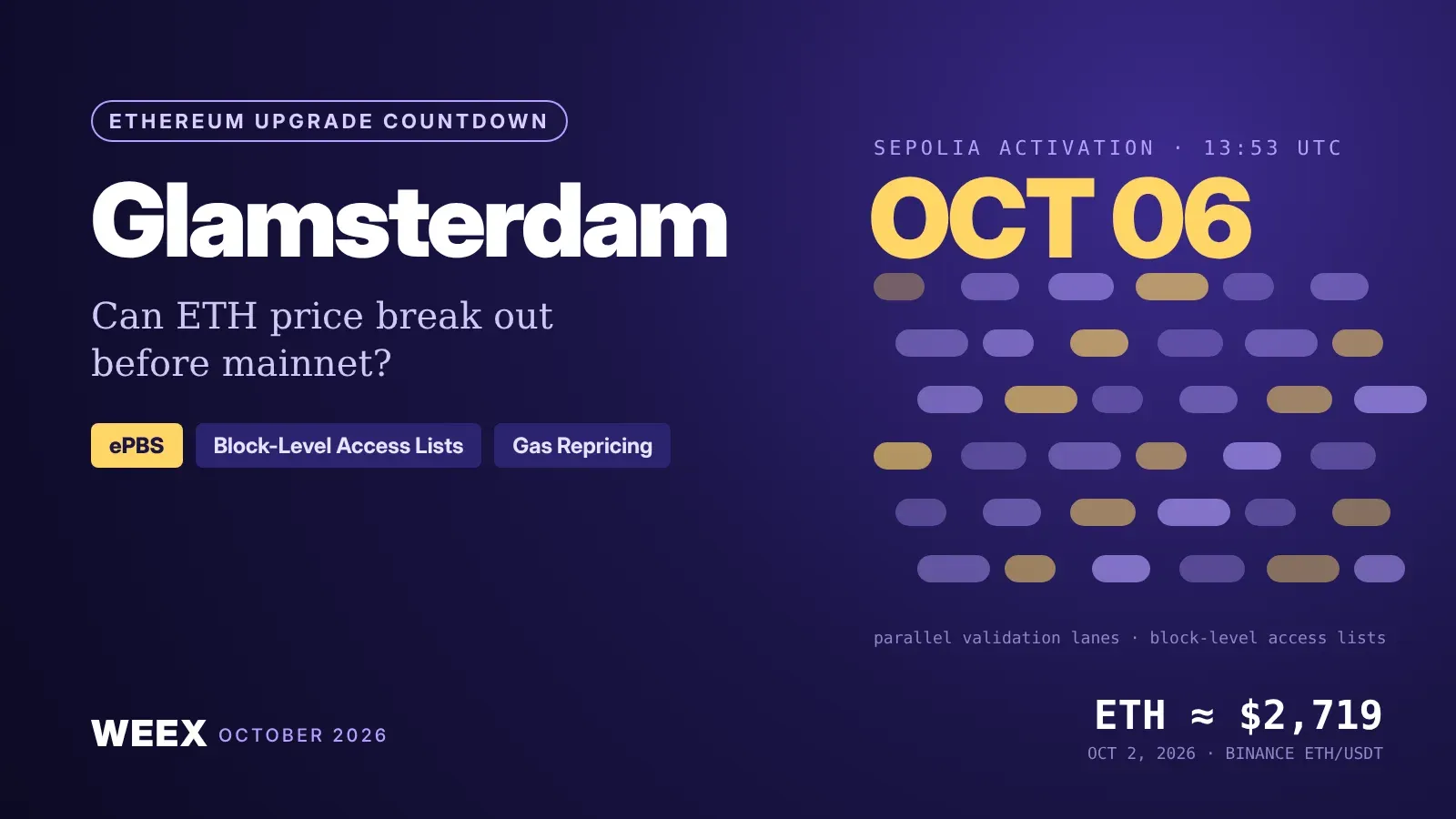
Ethereum Glamsterdam Upgrade Countdown: Can ETH Price Break Out?
Anonymous Crypto Wallet: What Still Protects Your Privacy in 2026
How Tether Freezes USDT: Address Blacklists and Holder Checks
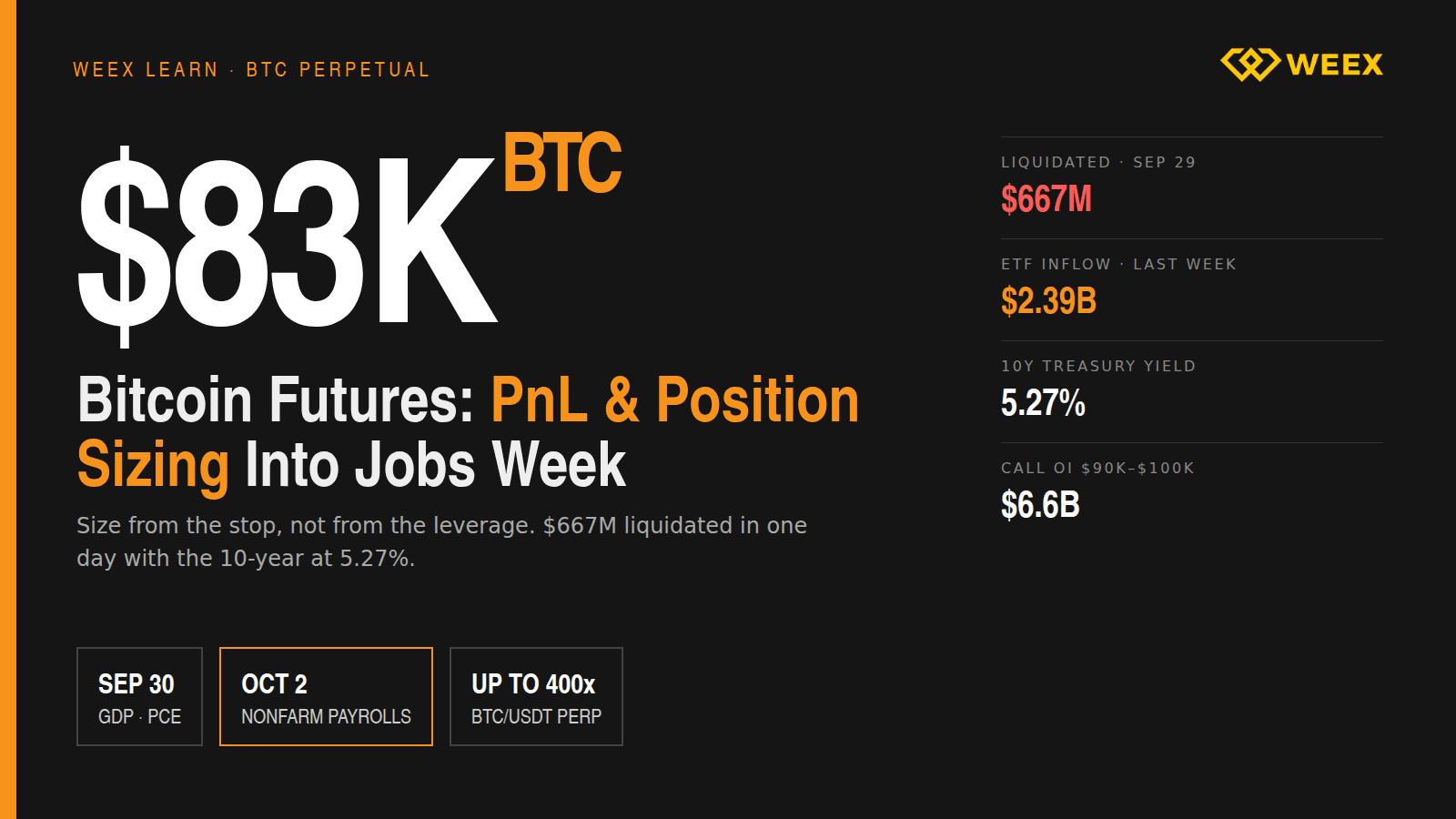
Bitcoin Futures at $83K: PnL and Position Sizing Into Jobs Week
Ethereum 2030 Roadmap: Vitalik's Cryptographic World Computer
Common P2P Crypto Scams and How to Spot Them
How to Choose a P2P Crypto Merchant on WEEX
How to File a WEEX P2P Appeal: Evidence and Video Requirements
Is WEEX P2P Crypto Trading Safe? Risks and Checks Before You Trade
WEEX P2P Order Limits: Minimums, Maximums, and Available Ads
P2P Crypto Trading Fees: Spreads and Payment Costs Explained
What Is Blockchain and How Does It Work? One Transaction, Traced
Staking APR vs Inflation: How Much of Your Crypto Yield Is Real?
WEEX Convert Fees: What Zero-Fee Conversion Really Costs You
WEEX Convert Quote: How the 8-Second Price Lock Really Works
WEEX Convert Limits: Minimum and Maximum Amounts Explained
How to Check a WEEX Convert Order: History, Rate and Status


