
Understanding Order Types on WEEX Exchange

 Prefer us on Google
Mastering the various order types on WEEX Exchange is key to boosting your trading success and efficiency. Each order type has a distinct role, enabling traders to execute trades accurately, manage risks, and refine their strategies. This guide covers the order types available on WEEX, their purposes, and how to leverage them effectively.
What Are Trading Order Types?
Order types determine how trades are carried out in the market. They allow traders to control entry and exit points, mitigate risks, and automate strategies. Selecting the appropriate order type can enhance performance and avoid costly errors, particularly in the fast-moving crypto market.
Order Types on WEEX Exchange
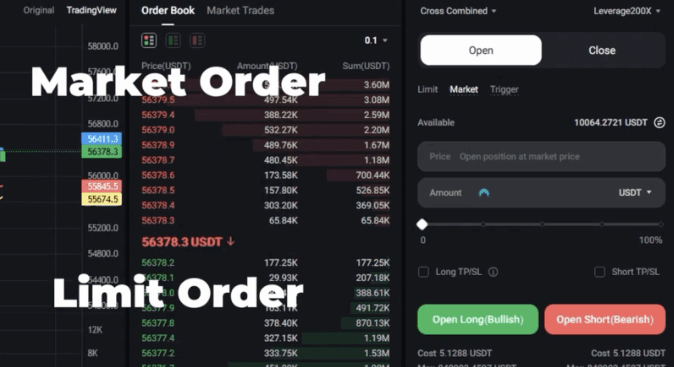
Market Order
A Market Order executes instantly at the best current price available. It’s the quickest way to enter or exit a trade, though the final price may vary slightly due to market volatility.
Best for: Traders prioritizing speed over exact pricing.
How to use: Select “Market Order,” input the amount, and submit the order.
Limit Order
A Limit Order lets traders buy or sell at a chosen price or better. It only executes when the market hits the set price, offering precise control over trade execution.
Best for: Traders aiming to define specific entry or exit prices.
How to use: Choose “Limit Order,” specify the price, enter the amount, and place the order.
Stop-Loss Order
A Stop-Loss Order automatically closes a trade at a preset price to limit losses, serving as a vital risk management tool.
Best for: Traders seeking to shield their funds from significant price drops.
How to use: Activate “Stop-Loss” during trade setup and set the stop price.
Take-Profit Order
A Take-Profit Order secures profits by closing a position once it reaches a target price.
Best for: Traders looking to lock in gains at a desired level.
How to use: Specify a Take-Profit price when placing the trade.
Stop-Limit Order
A Stop-Limit Order blends stop-loss and limit order features. When the stop price is hit, a limit order is triggered at a defined price.
Best for: Traders wanting precise stop-loss execution control.
How to use: Set both the stop price and limit price before submitting the order.
Selecting the Best Order Type for Your Approach
The ideal order type aligns with your trading goals:
Scalping & High-Frequency Trading: Use Market Orders or Limit Orders.
Risk Management: Opt for Stop-Loss or Trailing Stop Orders.
Passive Trading: Choose Post-Only or Iceberg Orders.
Profit Maximization: Employ Take-Profit or Stop-Limit Orders.
Conclusion
WEEX Exchange offers a range of order types tailored to various trading styles and objectives. By grasping how each functions, you can streamline your trading, manage risks better, and elevate your performance in the cryptocurrency market.
Trade smarter on WEEX today by choosing the order types that match your strategy!
This content is provided for general informational purposes only and doesn't constitute financial, investment, legal, or tax advice. Any events, rewards, online promotions, or related information mentioned herein should not be considered a recommendation, solicitation, or invitation to purchase, sell, trade, or otherwise deal in any crypto assets. Crypto assets are highly volatile and may result in loss. The availability of WEEX services, products, and related events may vary by region. You are responsible for ensuring that your participation is in accordance with applicable local laws and regulations.
You may also like

The 17 October 2026 DBR Unlock: Six Allocations and deBridge's Vesting Schedule

Fake Crypto Payments: What to Check Before Handing Over Goods
What Is Leverage in Trading? How Leverage Ratios Like 5x and 10x Work and What They Do to Your Risk
What Is Leverage Trading? A Beginner’s Guide to Margin, Liquidation and Funding Fees
Is RSI a Good Indicator? How the Relative Strength Index Works, Its Limits and How Traders Use It
CXMT Stock Explained: What Is ChangXin Memory, Why It Fell on October 19 and What to Watch Next

Why Is CoreWeave (CRWV) Stock Falling? Debt, Bond Yields and What Analysts Say

KOSPI Whipsaw Explained: Samsung, SK Hynix and the AI Spending Doubts Behind the Swing
Is Bitget Leaving Russia? What Account Holders Should Check
How to Day Trade Crypto for Beginners: The Math Behind One Trade
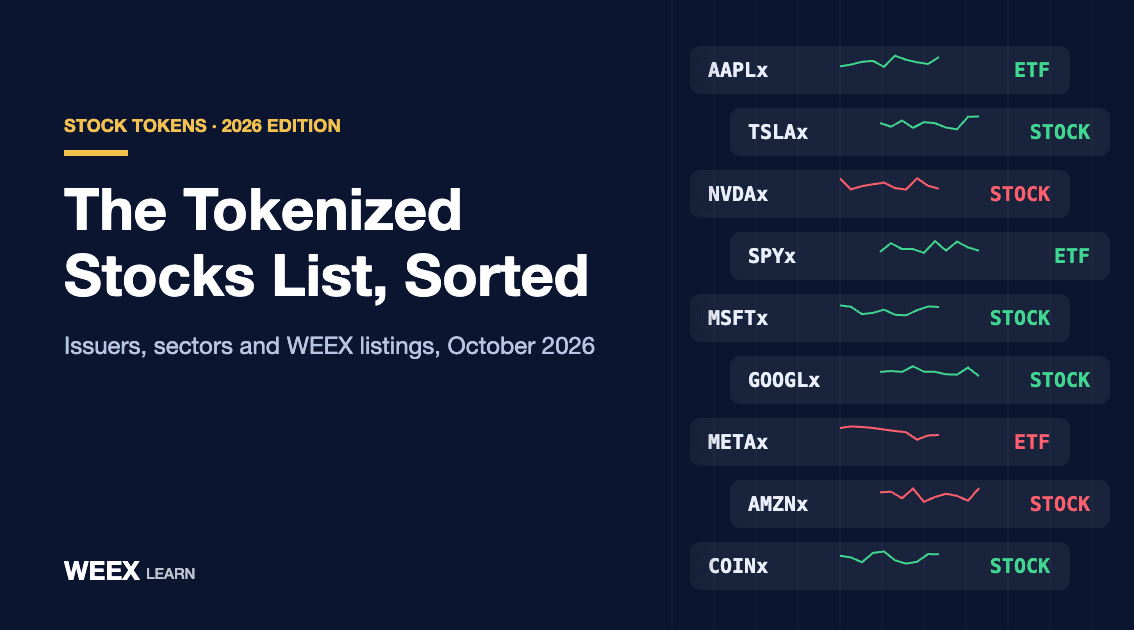
Tokenized Stocks List 2026: Issuers, Sectors and What WEEX Lists

Trading Psychology for Beginners: Crypto Traps and Hard Rules

What Is a Bitcoin ETF? How Creation, Custody and Fees Work

What Is Blockchain and How Does It Work? One Transaction, Traced
The Cost of Idle USDT: What Unused Balances Miss Each Year

Flying Tesla Roadster (FTR) Coin: What Is It and What to Check Before Trading a Roadster Memecoin

Tesla Roadster Performance, Thrust and Rocket Trims: Specs, Price and 2028 Production

Cyberleek Token Risks: Memecoins Tied to Leaks, Anonymous Wallets and Why Verification Matters

Staking APR vs Inflation: How Much of Your Crypto Yield Is Real?
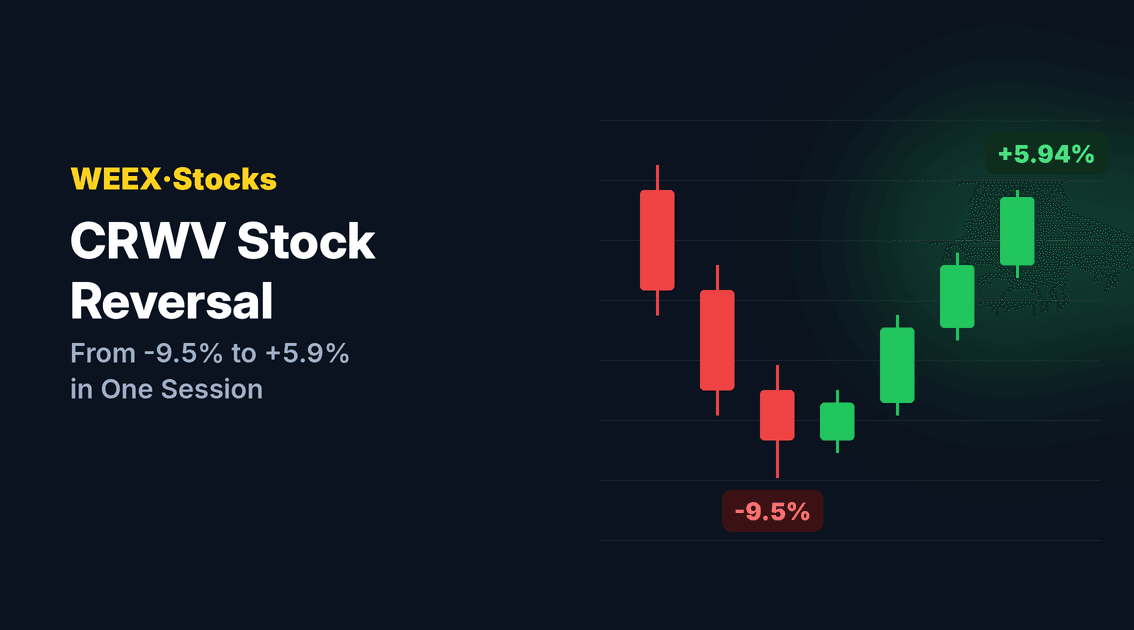
CRWV Stock Swings From -9.5% to +5.9%: Why CoreWeave Reversed
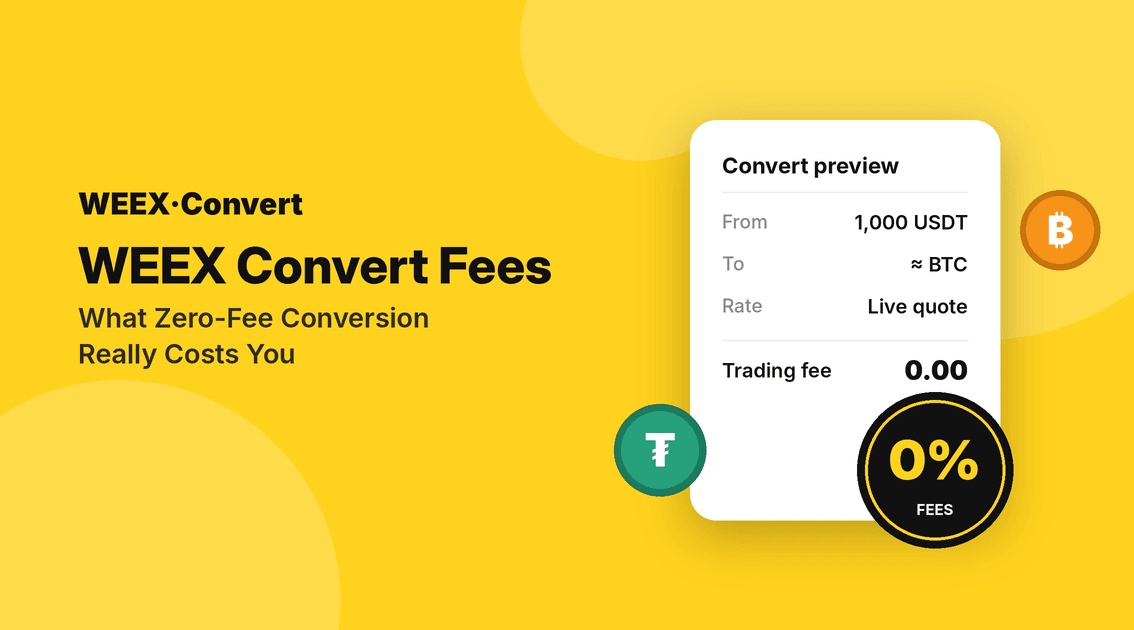
WEEX Convert Fees: What Zero-Fee Conversion Really Costs You
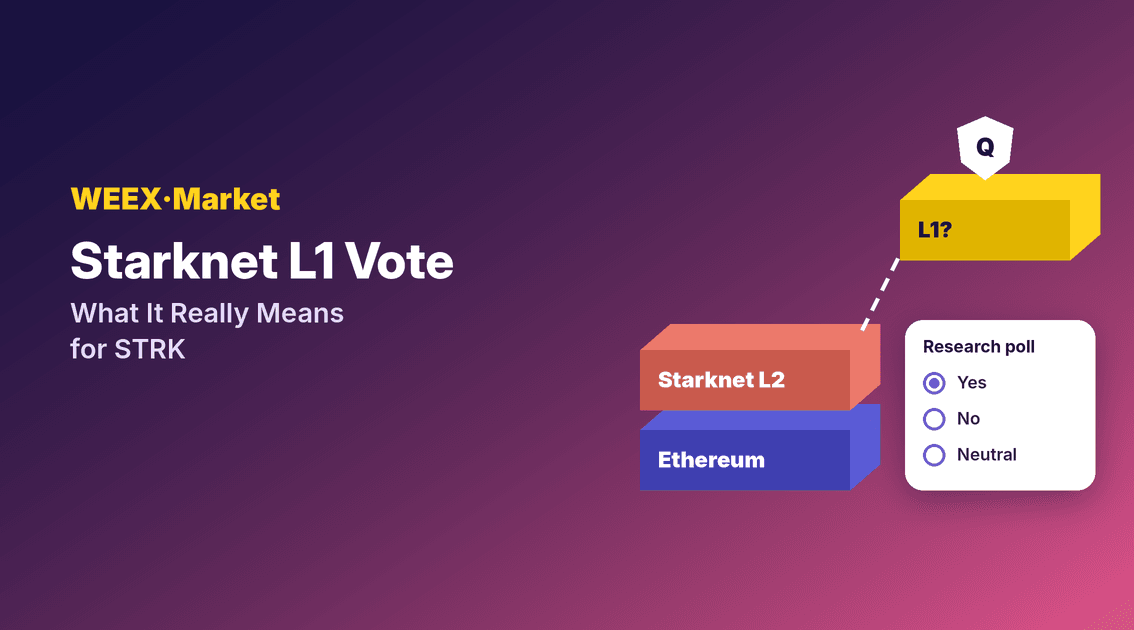
Starknet Independent L1 Vote: What It Really Means for STRK

WEEX Convert Quote: How the 8-Second Price Lock Really Works
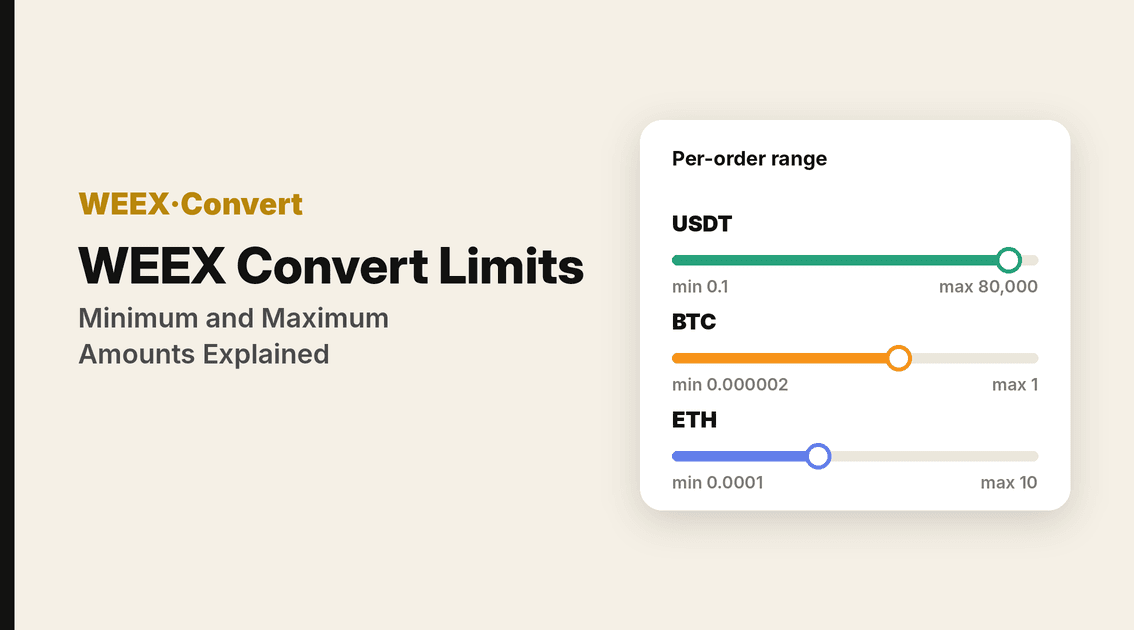
WEEX Convert Limits: Minimum and Maximum Amounts Explained
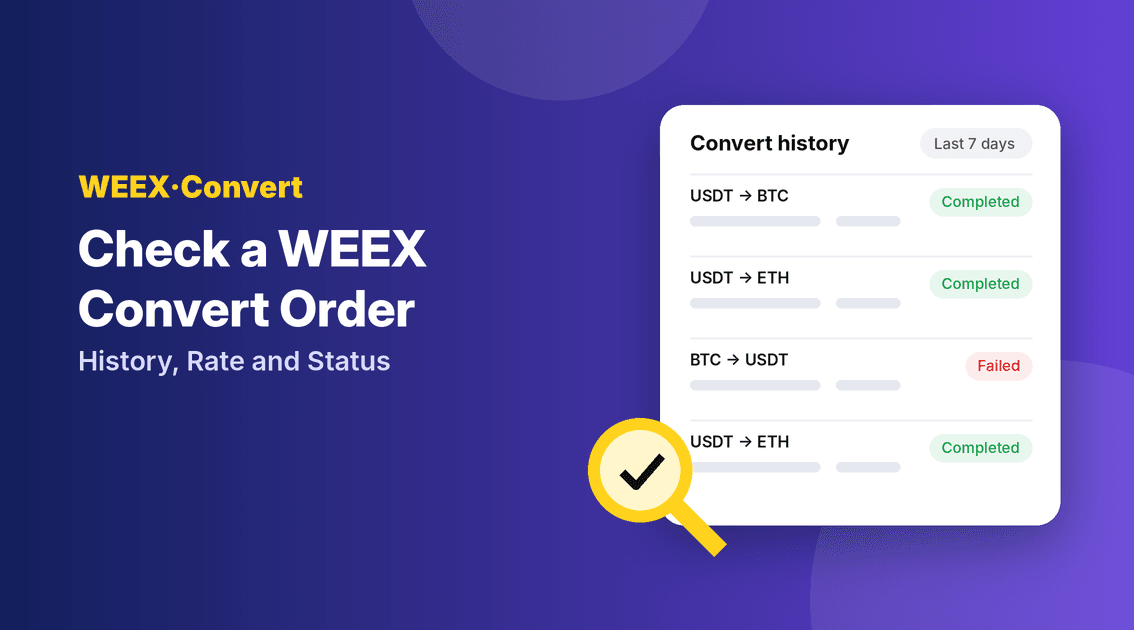
How to Check a WEEX Convert Order: History, Rate and Status

What Is Walrus Coin (WAL)? Why It Is Rising and What Is Still Unconfirmed
PYTH USDT After the 100% Rule: Buyback Mechanics, Overbought Signals and Risks Before Trading

USDC Significant EMT Status in the EU: What Changes on November 12 Under MiCA

APR vs APY in Crypto: Why the Bigger Number Can Mislead You
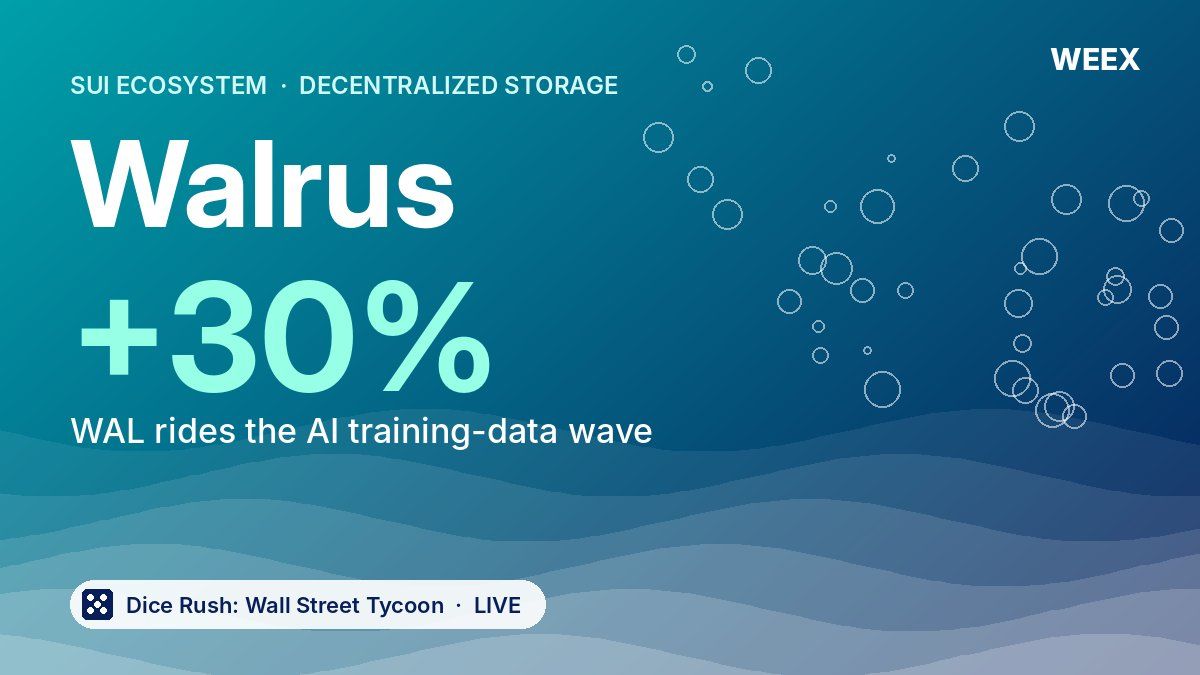
Walrus (WAL) Jumps 30%: Sui Storage Token Rallies on AI Data
The 17 October 2026 DBR Unlock: Six Allocations and deBridge's Vesting Schedule
Fake Crypto Payments: What to Check Before Handing Over Goods
What Is Leverage in Trading? How Leverage Ratios Like 5x and 10x Work and What They Do to Your Risk
What Is Leverage Trading? A Beginner’s Guide to Margin, Liquidation and Funding Fees
Is RSI a Good Indicator? How the Relative Strength Index Works, Its Limits and How Traders Use It
CXMT Stock Explained: What Is ChangXin Memory, Why It Fell on October 19 and What to Watch Next


