
If You Invested $1,000 in Bitcoin 10 years ago, Here’s How Much You’d Have Now

 Prefer us on Google
Since its launch in 2009, Bitcoin’s price has experienced significant volatility, creating both substantial gains and steep losses for investors. Many have wondered what could have been if they had entered the market earlier or held their positions longer.
A famous example is the first documented real-world Bitcoin transaction in 2010, when a user spent 10,000 BTC to purchase two pizzas. At the time, those bitcoins were valued at roughly $40. In May 2025, when Bitcoin’s price first approached $112,000, that same amount surpassed $1.1 billion.
Early Bitcoin investors who maintained their holdings have often seen extraordinary returns—though such outcomes were far from guaranteed. Cryptocurrency remains a highly speculative asset class, driven largely by market sentiment, and many tokens never achieve meaningful value.
This leads to a compelling question: how much would a $1,000 investment in Bitcoin made ten years ago be worth today?
How Much Money You’d Have If You Invested $1,000 in Bitcoin 10 Years Ago?
Every crypto investor dreams of a time machine to go back and invest in the best-performing assets—but while we can’t change the past, we can look at Bitcoin’s remarkable journey from its origins to the present.
Bitcoin’s price has seen dramatic swings throughout its history, influenced heavily by investor sentiment. That said, the cryptocurrency market also reacts to broader financial trends—including shifting interest rates and the emergence of spot Bitcoin ETFs.
Launched in January 2009, Bitcoin first surpassed the $1 mark in February 2011. By 2025, it had reached multiple historic peaks, even breaking above $111,000 in May.
With these fluctuations in mind, let’s examine what a $1,000 investment in Bitcoin would be worth today if made at different points in the past. The calculations below are based on Bitcoin’s price of approximately $107,361 as of June 30, 2025. Historical pricing data is sourced from CoinMarketCap.
- 1 year ago: A $1,000 investment in Bitcoin in 2024 would now be worth $1,712.
- 5 years ago: A $1,000 investment in Bitcoin in 2020 would now be worth $11,748.
- 10 years ago: A $1,000 investment in Bitcoin in 2015 would now be worth $408,108.
- 15 years ago: A $1,000 investment in Bitcoin in 2010 would be valued at approximately $1.07 billion. Note: Bitcoin traded around $0.10 per coin in July 2010—the closest available price point from that era.
Why Did Bitcoin’s Value Increase So Dramatically?
Reflecting on the past decade, Bitcoin’s extraordinary rise can be attributed to a combination of scarcity, growing adoption, and broader macroeconomic conditions. While speculation and media buzz contributed, several fundamental factors propelled Bitcoin from a niche digital experiment to a mainstream high-value asset:
Fixed Supply and Halving Mechanism
Bitcoin’s protocol limits its total supply to 21 million coins. Approximately every four years, the block reward granted to miners is cut in half in an event known as the “halving.” This scheduled reduction in new supply introduces structural scarcity, which has historically preceded significant price increases as demand outstrips slower issuance.
Institutional and Corporate Embrace
While initially driven by individual investors, Bitcoin gained substantial momentum when institutions began entering the market around 2020–2021. Companies such as Tesla and MicroStrategy added Bitcoin to their treasuries, and established financial firms launched Bitcoin-based products. This institutional participation boosted credibility, liquidity, and market depth.
Macroeconomic Conditions and Policy Shifts
Global monetary expansion, particularly during the COVID-19 pandemic, heightened interest in assets perceived as stores of value. Bitcoin’s narrative as “digital gold” attracted those seeking inflation protection. By the mid-2020s, improving regulatory clarity and supportive policy frameworks in major economies further solidified investor confidence.
Growing Public Awareness and Market Cycles
Each major bull market—from the retail-driven surge of 2017 to the institution-led rally of 2020–2021 and the record-breaking prices of 2024–2025—brought renewed media coverage and public interest. These cycles not only drew new participants but also strengthened the conviction of long-term holders, creating a more resilient investor base.
Together, these elements formed a self-reinforcing cycle: scarcity drew interest, interest spurred adoption, adoption drove prices upward, and higher prices attracted even more attention. Repeated over multiple market phases, this dynamic played a central role in Bitcoin’s remarkable appreciation over the past ten years.
Should I Invest $1,000 in Bitcoin Right Now?
While the potential for significant gains in cryptocurrency can be compelling, it’s essential to recognize that substantial losses are equally possible. Crypto investing carries inherent high risks, including cybersecurity threats and regulatory uncertainty. Prices are highly volatile and often driven by market sentiment rather than intrinsic value, making it impossible to predict whether Bitcoin will maintain its upward trajectory.
You should only allocate funds to cryptocurrency that you can afford to lose entirely. If you choose to invest, consider maintaining a diversified portfolio and exploring alternatives such as Bitcoin ETFs. Exchange-traded funds offer a more accessible and often lower-cost way to gain exposure to Bitcoin, though it’s important to remember that even ETFs do not reduce the speculative nature of crypto investments.
-- Price
Conclusion
A $1,000 investment in Bitcoin back in 2015 would have grown to nearly half a million dollars by 2025—a return most investors only imagine. But these extraordinary gains came at a cost: surviving multiple crashes of 70–80%, long periods of doubt, and repeated claims that Bitcoin had failed. Only those with deep patience and strong conviction held on long enough to see these returns.
Bitcoin has established itself as one of the most transformative—and volatile—assets of the modern era. Its rise was fueled by scarcity, adoption, and macro trends, yet it remains a high-risk, high-reward innovation. While past performance has been remarkable, future outcomes are never certain. Still, the journey of that $1,000 investment exemplifies why Bitcoin is a defining asset of our time—and why its next decade promises to be just as compelling.
Further Reading
This content is provided for general informational purposes only and doesn't constitute financial, investment, legal, or tax advice. Any events, rewards, online promotions, or related information mentioned herein should not be considered a recommendation, solicitation, or invitation to purchase, sell, trade, or otherwise deal in any crypto assets. Crypto assets are highly volatile and may result in loss. The availability of WEEX services, products, and related events may vary by region. You are responsible for ensuring that your participation is in accordance with applicable local laws and regulations.
You may also like
How to Day Trade Crypto for Beginners: The Math Behind One Trade

Trading Psychology for Beginners: Crypto Traps and Hard Rules
What Is a Bitcoin ETF? How Creation, Custody and Fees Work

What Is Blockchain and How Does It Work? One Transaction, Traced
WEEX Convert Fees: What Zero-Fee Conversion Really Costs You

WEEX Convert Quote: How the 8-Second Price Lock Really Works
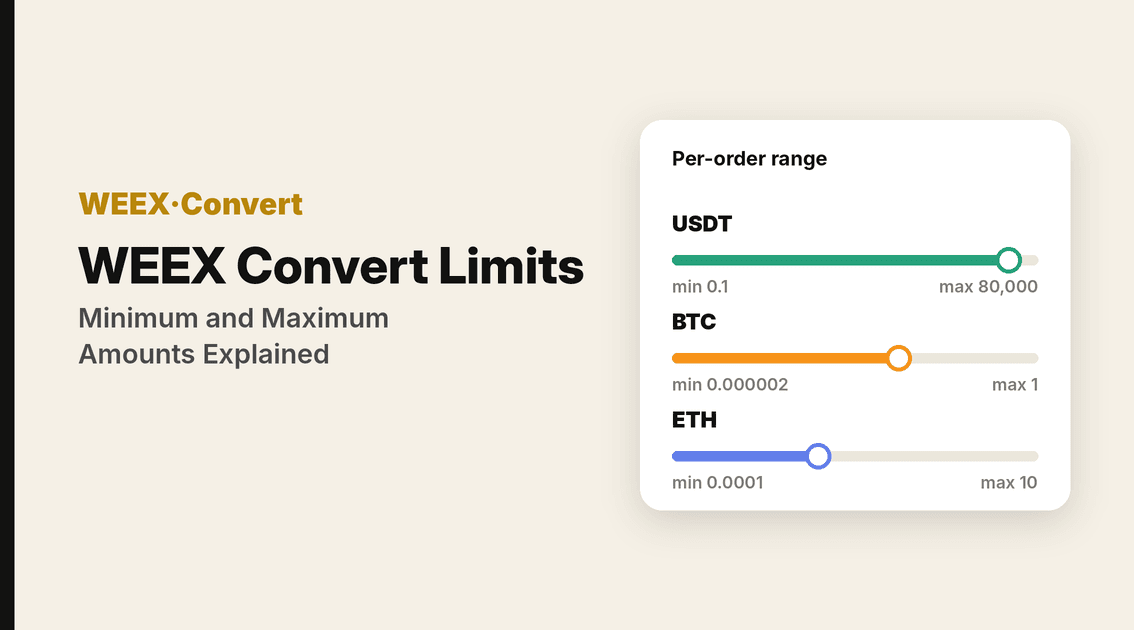
WEEX Convert Limits: Minimum and Maximum Amounts Explained
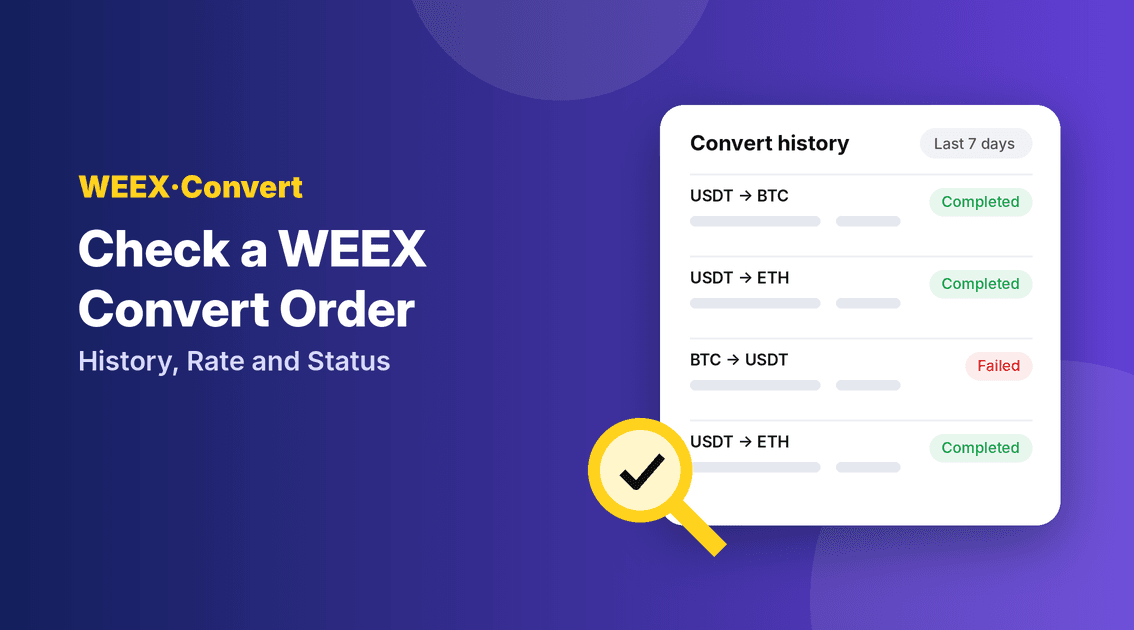
How to Check a WEEX Convert Order: History, Rate and Status
USDC Significant EMT Status in the EU: What Changes on November 12 Under MiCA
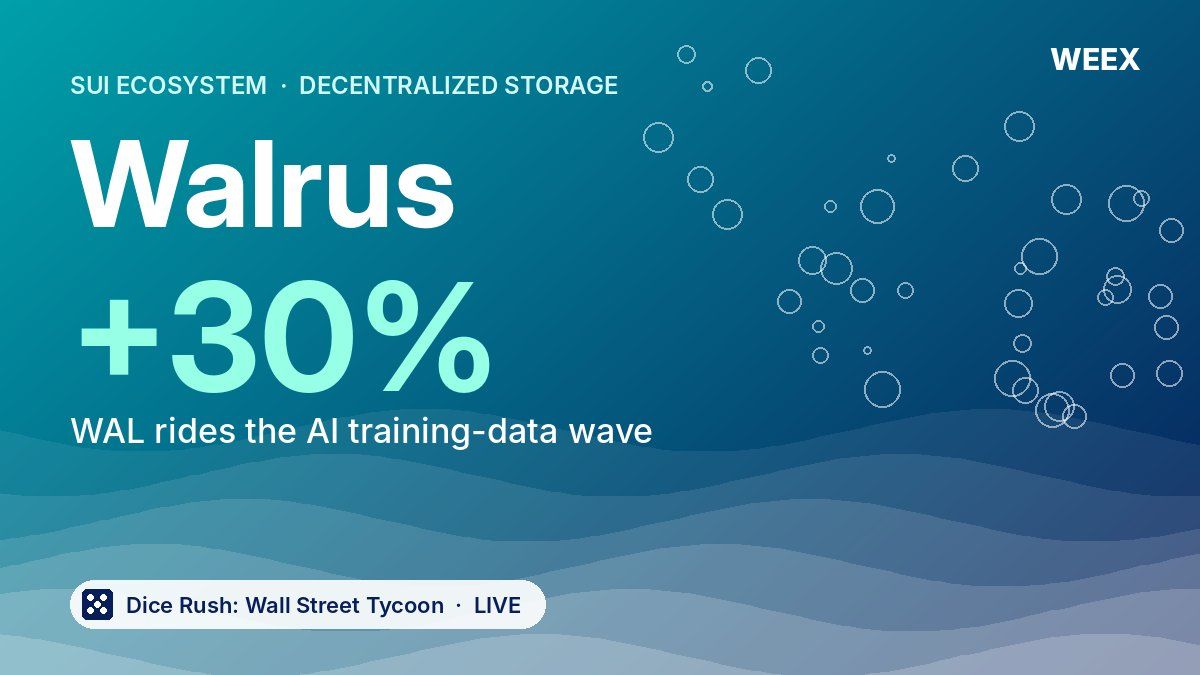
Walrus (WAL) Jumps 30%: Sui Storage Token Rallies on AI Data
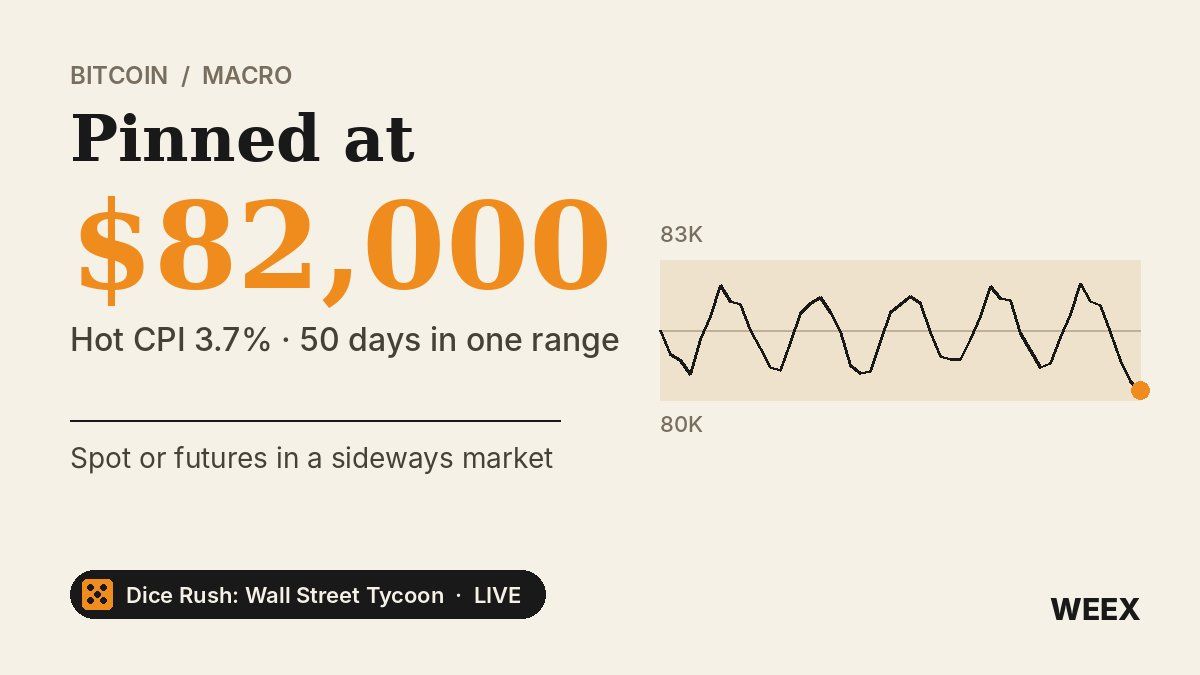
Bitcoin Price After Hot CPI: Why BTC Is Pinned Near $82,000
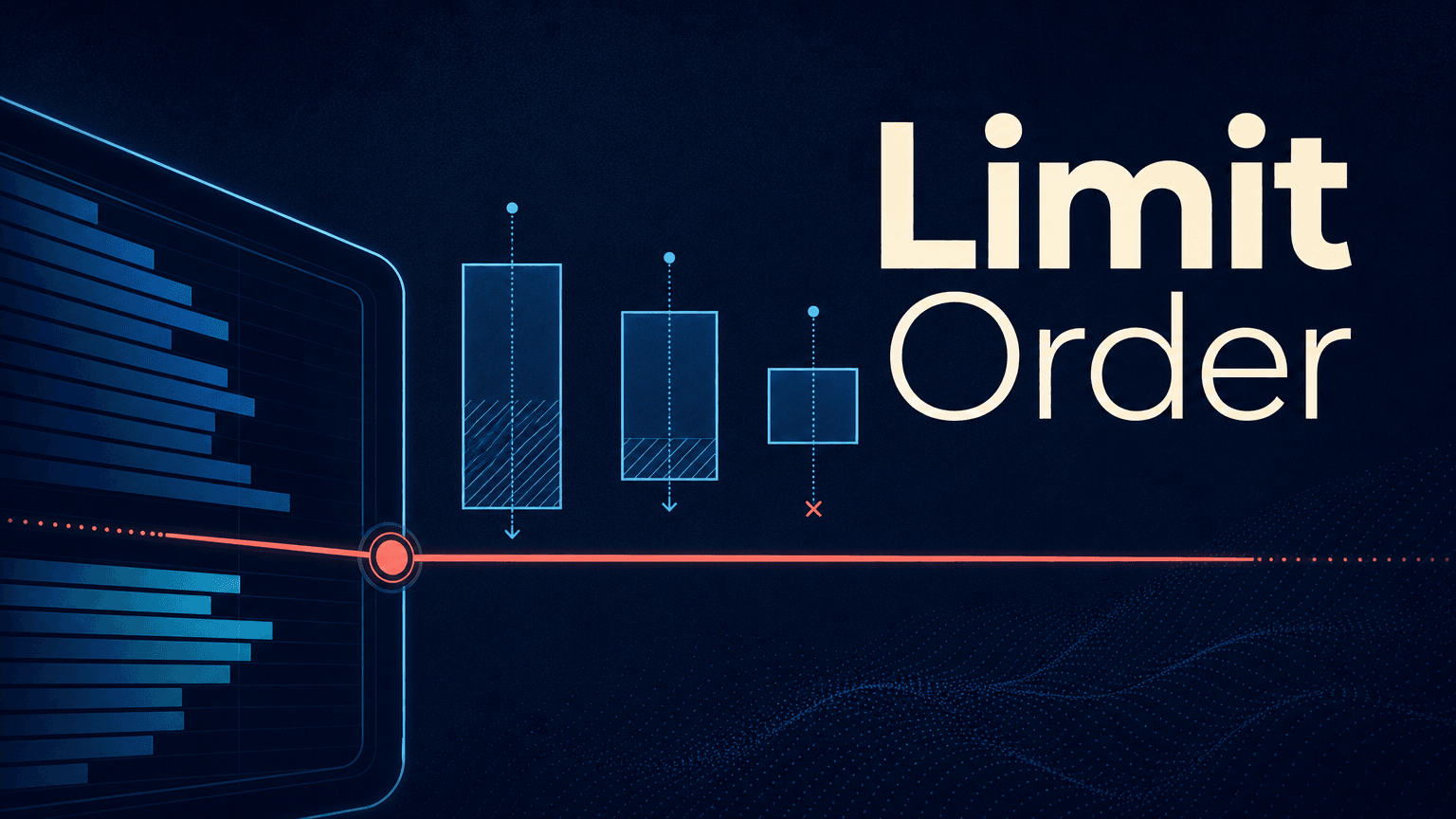
What Is a Limit Order? How It Works and When to Use It
Best Crypto Miner for Beginners: What to Check on Cost, Power, Hashprice and Profit Before You Buy

Limit Order vs Market Order: Which One to Use When Trading Crypto
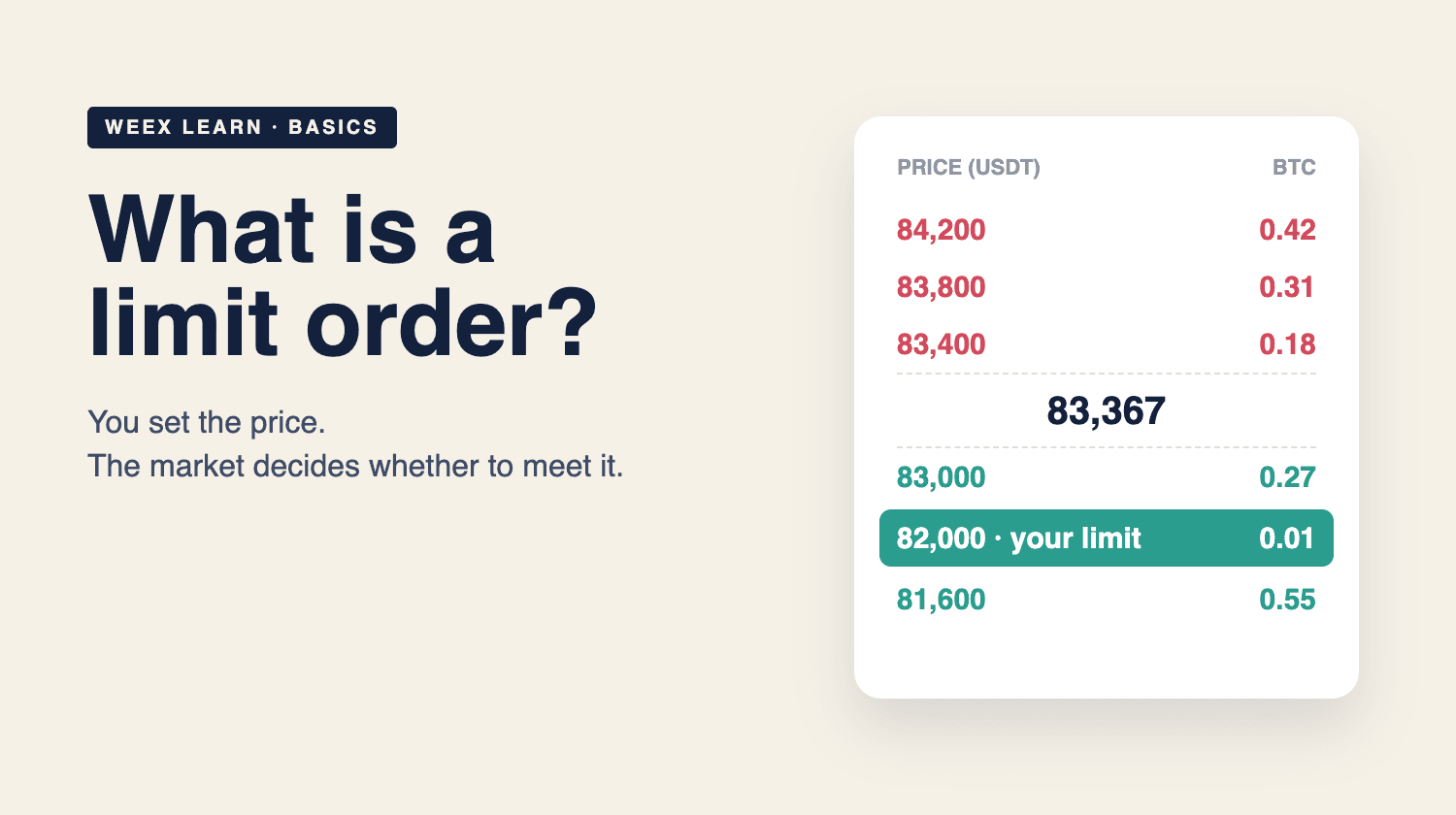
What Is a Limit Order? How It Works in Crypto With BTC Examples
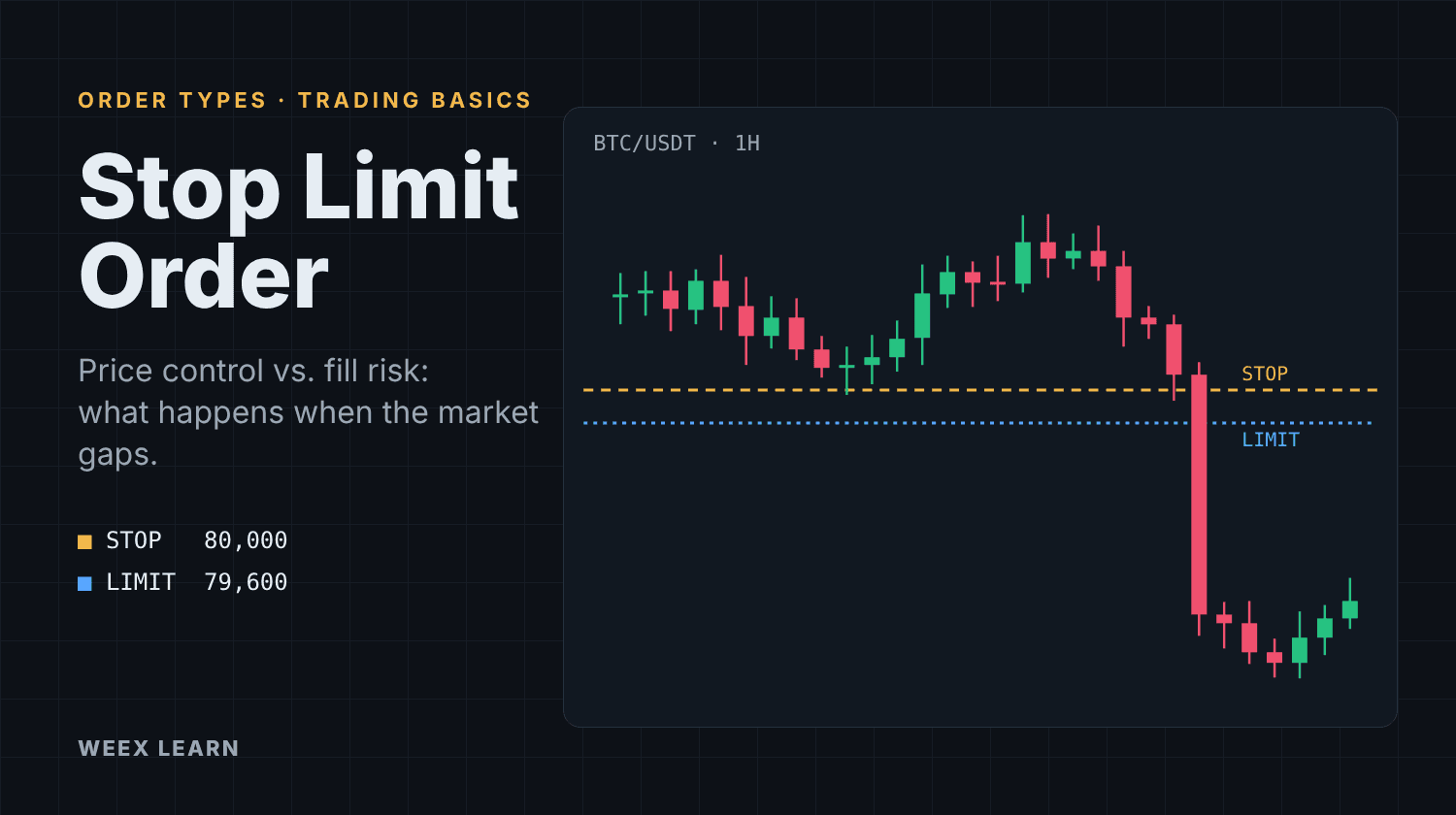
Stop Limit Order: How It Works and Why It Can Fail to Fill
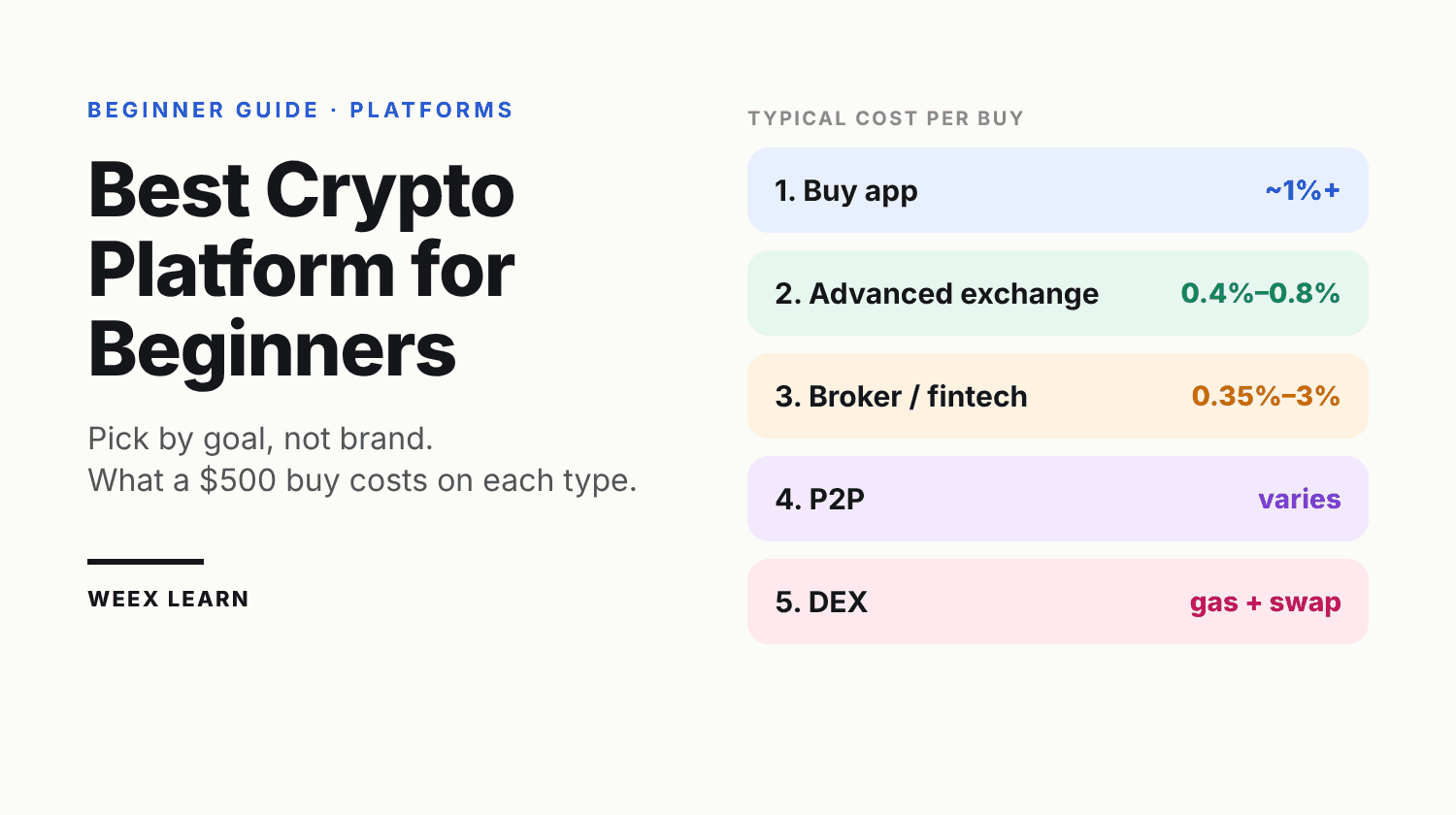
Best Crypto Platform for Beginners: Pick by Goal, Not Brand

Best Crypto Podcasts for Beginners: A 4-Week Listening Plan
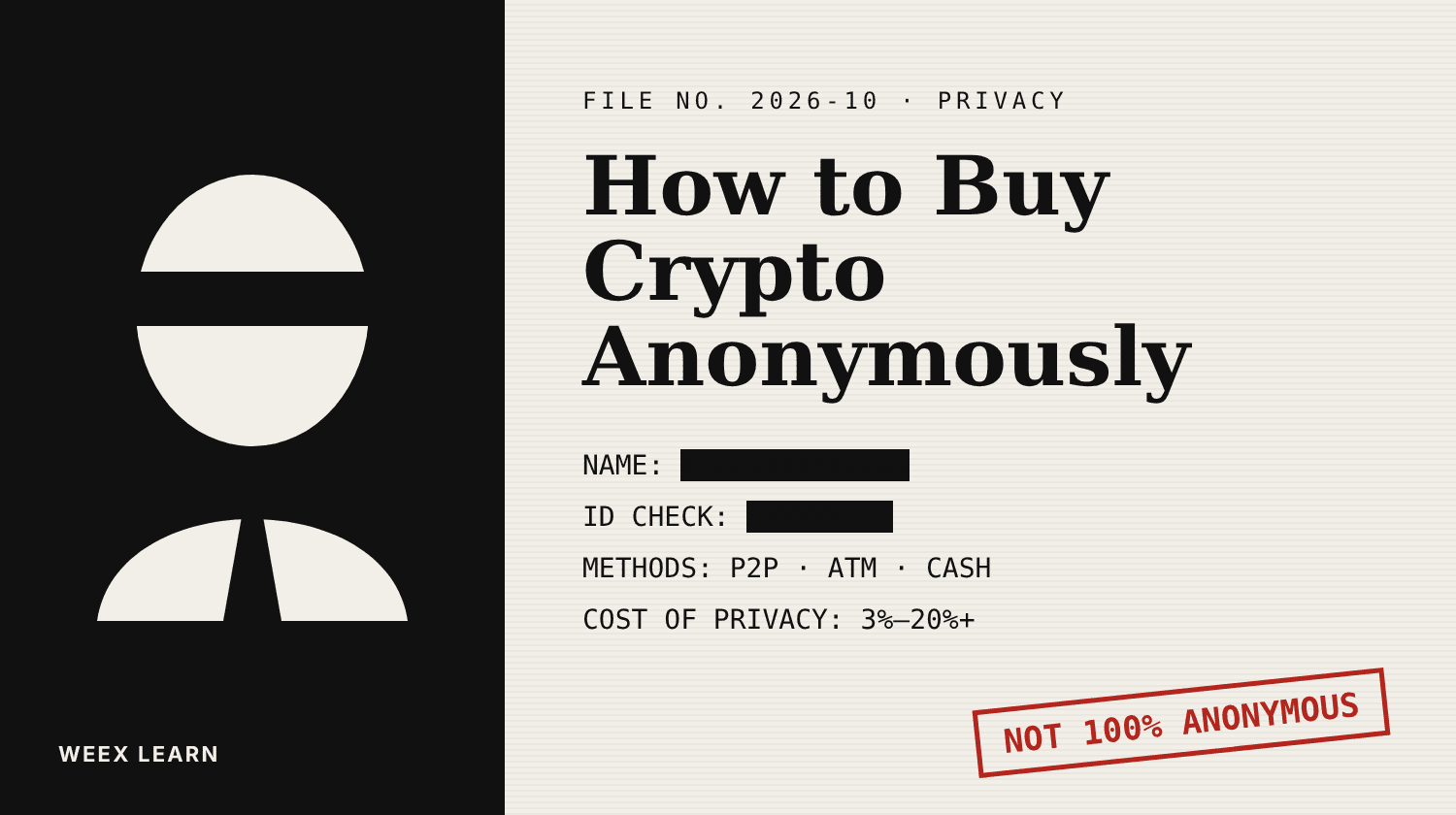
How to Buy Crypto Anonymously: 5 Methods, Real Costs and Limits
Will Bitcoin Break $87,000 This Week? CPI, Fed Speakers and ETF Outflows to Watch
Conflux (CFX) Price Jumps on China's National Blockchain Network Plan: Does the Policy Actually Name CFX?
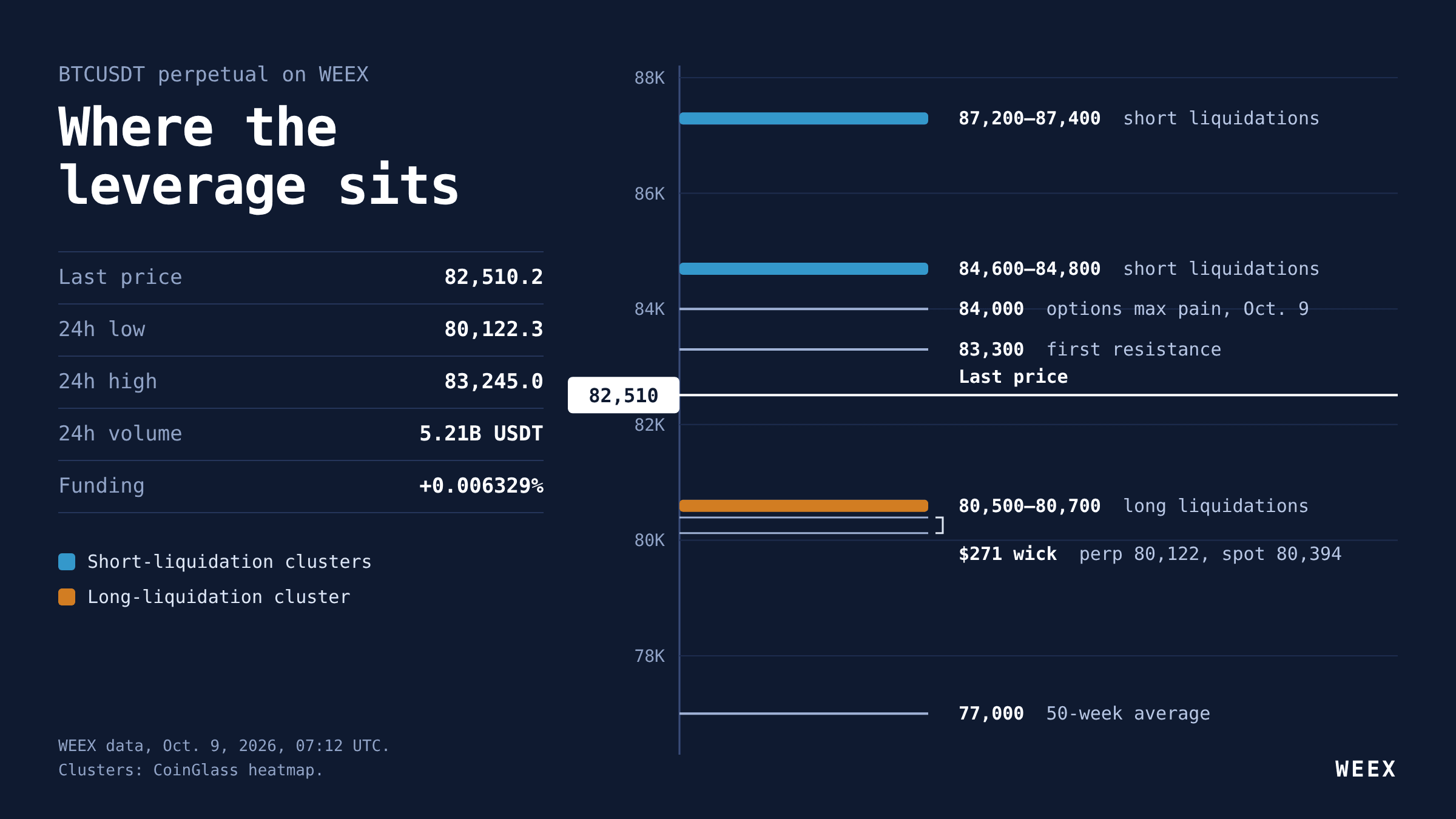
BTC Futures Analysis: $80K Held, but Longs Are Still Paying Up
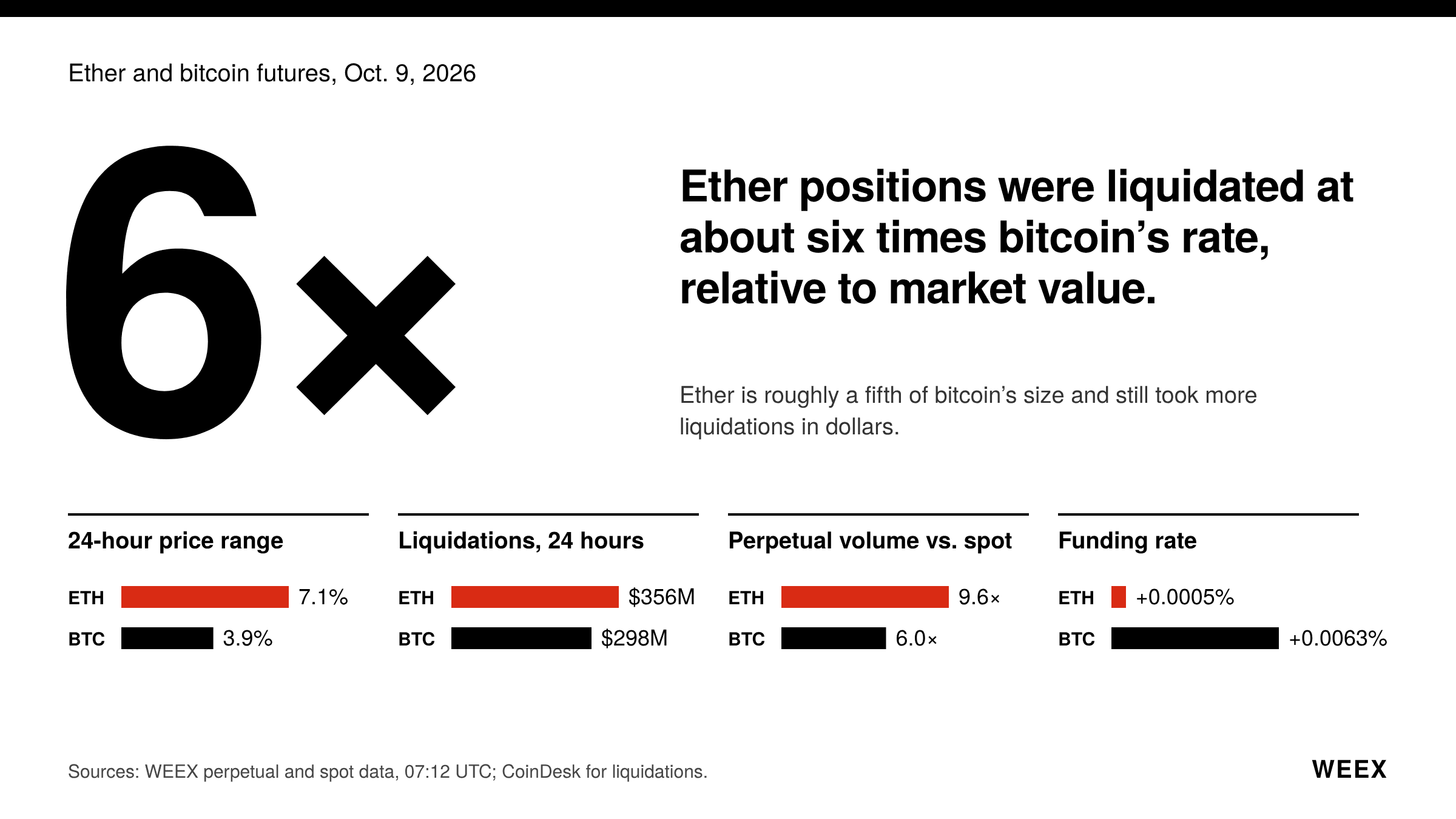
ETH Futures: Why Ether Is Falling Faster Than Bitcoin This Week
ENA Token Price Drops After October 5 Unlock: What Happened to Ethena?
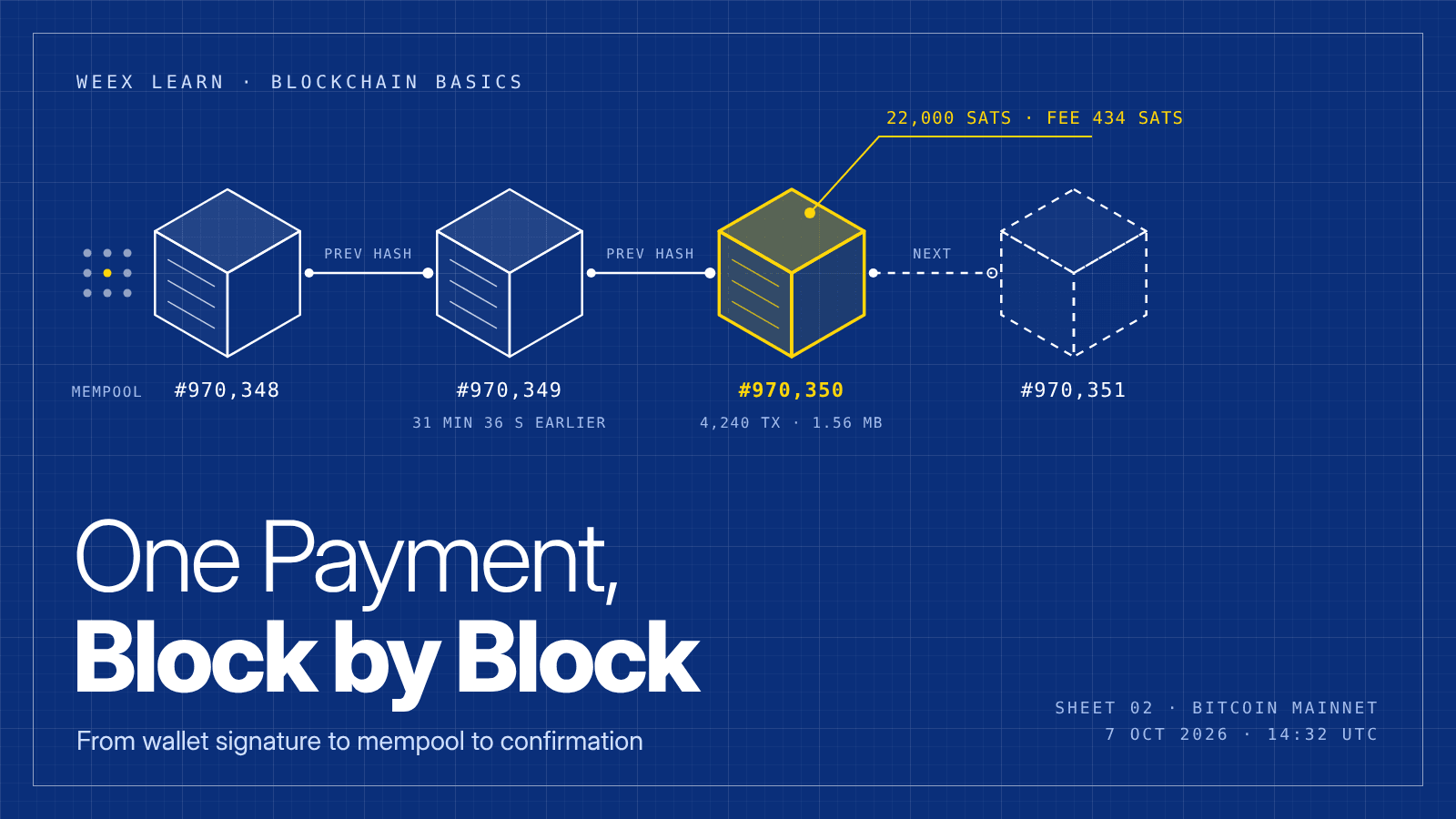
What Is Blockchain and How Does It Work? One Real Payment Traced

How to Buy Crypto With a Prepaid Card: Step-by-Step Guide
Best Crypto Trading Strategies for Beginners: What to Know Before You Trade
LayerZero Unlock October 2026: Can ZRO Hold $2 Amid Whale Inflows?
How to Buy Crypto With Apple Pay in 5 Steps: Why Your Bank May Decline the Payment
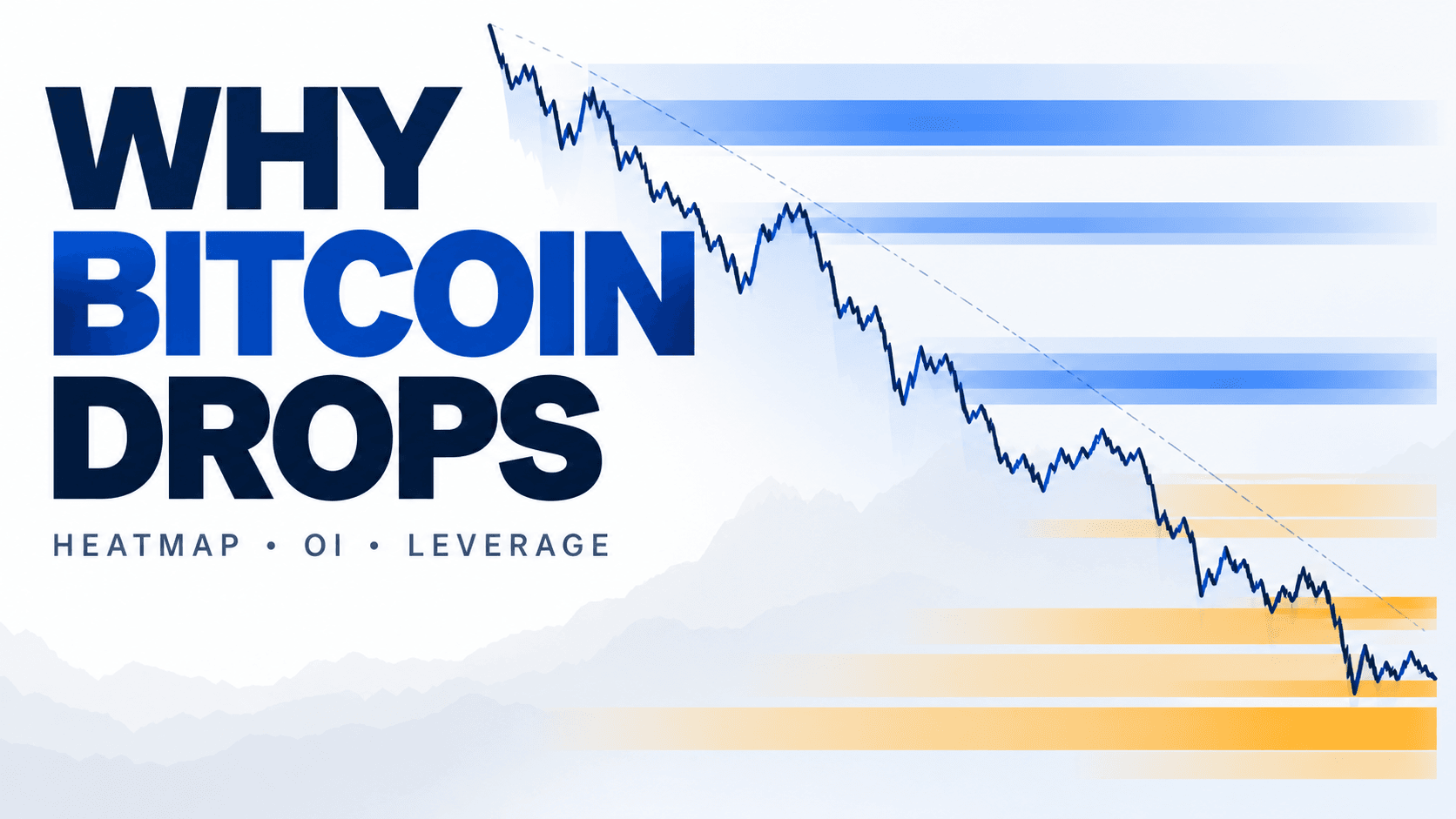
Why Does Bitcoin (BTC) Drop? How to Read a BTC Liquidation Heatmap Without Guessing the Bottom
How to Day Trade Crypto for Beginners: The Math Behind One Trade
Trading Psychology for Beginners: Crypto Traps and Hard Rules
What Is a Bitcoin ETF? How Creation, Custody and Fees Work
What Is Blockchain and How Does It Work? One Transaction, Traced
WEEX Convert Fees: What Zero-Fee Conversion Really Costs You
WEEX Convert Quote: How the 8-Second Price Lock Really Works
Contents
Popular coins
Latest articles


