
Bitcoin Margin Trading: BTC Liquidation Math at 3x, 10x and 25x

 Prefer us on Google

Bitcoin margin trading means controlling more BTC exposure than your cash covers, and with bitcoin at 81,598 USDT on WEEX on Oct. 20, 2026, the math is blunt: an isolated long at 3x survives a drop of roughly 33%, at 10x roughly 9.5%, and at 25x only about 3.5%, a move to around 78,700.
The setup is not calm. Bitcoin fell from about 87,250 to roughly 80,300 between Oct. 6 and Oct. 8 as spot ETF outflows hit their largest daily level since June, and a hotter-than-expected September CPI on Oct. 14 knocked about 1.3% off the price within five minutes. The Federal Reserve meets again on Oct. 27-28.
Below: where liquidation lands at three leverage levels, what funding costs at today's rate, which dates deserve respect, and how to open a bitcoin long on WEEX futures with isolated margin and a stop already in place.
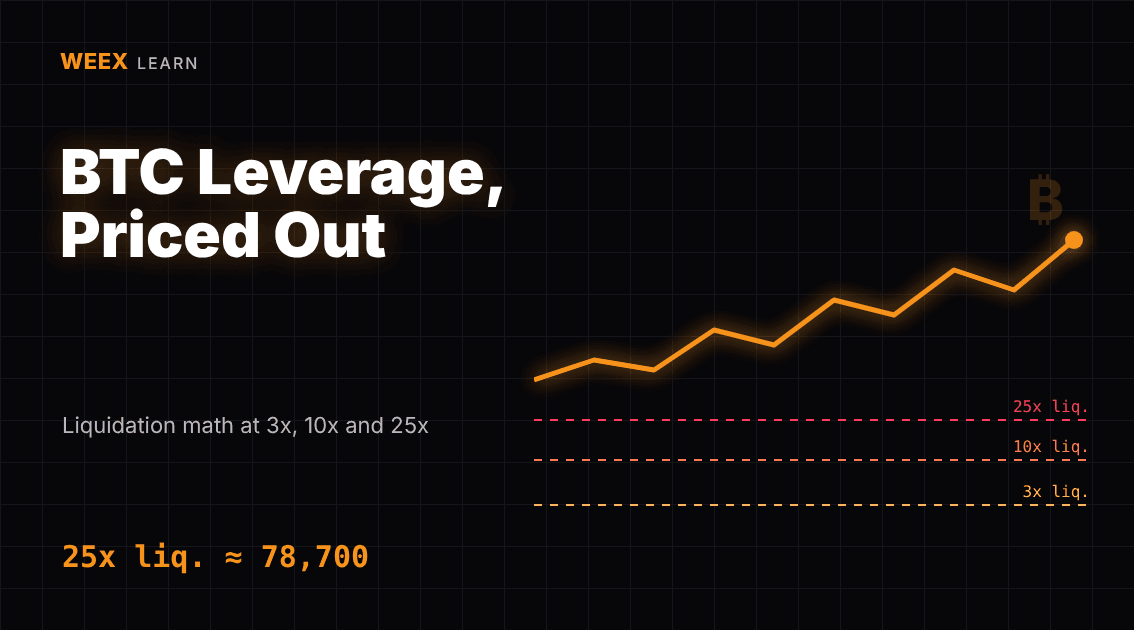
Bitcoin Margin Trading Math at 81,598 USDT
On WEEX, bitcoin margin trading runs through the BTCUSDT perpetual futures contract, where you post USDT as collateral in cross or isolated mode rather than borrowing coins on a spot market. The numbers below assume isolated margin, a long entry at 81,598 USDT, and a maintenance margin rate (MMR) of 0.5%, which is a simplifying assumption rather than a published WEEX rate. Larger positions carry higher requirements, so read the estimated liquidation price from the order panel.
The approximate formula for an isolated long is entry × (1 − 1/leverage) ÷ (1 − MMR). Applied to $1,000 of margin:
- 3x ($3,000 notional, about 0.0368 BTC): liquidation near 54,670 USDT, a fall of about 33.0%. Bitcoin's 2026 low was 58,035 on June 25, so even that crash would not have reached this line from today's entry.
- 10x ($10,000 notional, about 0.1226 BTC): liquidation near 73,810 USDT, a fall of about 9.5%. That is close to the Oct. 6-8 drop.
- 25x ($25,000 notional, about 0.3064 BTC): liquidation near 78,730 USDT, a fall of about 3.5%. WEEX's own 24-hour range on Oct. 20 was 83,142.3 to 81,150.6, a 2.5% swing.
Fees push each line slightly closer. At the VIP0 taker rate of 0.08%, opening and closing a $10,000 position costs about $16, or 1.6% of the $1,000 margin; at 25x it is about $40, or 4% of margin, before the price has moved at all. Folding the opening fee and a closing-fee reserve into the formula moves the 25x liquidation to roughly 78,860, a 3.4% buffer.
The takeaway is about leverage, not entry price: every 10x long has about the same percentage cushion wherever bitcoin trades. The WEEX guide on calculating a crypto liquidation price also covers the cross-margin version.
What Funding Costs to Hold a Leveraged BTC Position
Perpetuals have no expiry, so funding payments between longs and shorts tie the contract to spot. On Oct. 20, 2026, the WEEX BTCUSDT funding rate was +0.009131% per eight-hour settlement, which means longs pay shorts. That is about 0.027% of notional a day, or roughly 10% a year if the rate held, which it never does.
On the three positions above:
- 3x ($3,000): about $0.27 per settlement, $0.82 a day, $5.75 a week.
- 10x ($10,000): about $0.91 per settlement, $2.74 a day, $19.18 a week.
- 25x ($25,000): about $2.28 per settlement, $6.85 a day, $47.94 a week.
The point people miss is that funding is charged on notional, not on your margin. At 25x, a week of today's rate eats almost 4.8% of the $1,000 you posted, and in isolated mode that payment comes out of the position's margin, nudging the liquidation price up a little with each settlement.
The rate was also positive on Oct. 9, at +0.006329% per settlement, even after the slide toward 80,000, a sign that longs kept paying up to hold exposure while price fell. The WEEX explainer on who pays the crypto funding rate and what it signals explains how to read it. If you expect to hold for days, size the position so funding is a rounding error, not a line item.
Weekend and Event Gap Risk for Leveraged BTC
Bitcoin trades around the clock, so there is no literal opening gap on a crypto exchange. The risk is liquidity, not closing hours. Order books thin out on weekends, and a fast move through a thin book can fill a stop-market order well below its trigger. CME moved bitcoin futures and options to 24/7 trading on May 29, 2026, largely ending the old Monday "CME gap," but weekend liquidity is still thinner than a weekday New York session.
Scheduled data is the more predictable danger. The dates to watch through mid-December, per the Federal Reserve's schedule and US data calendars:
- Oct. 27-28: FOMC meeting, with the decision on Oct. 28.
- Oct. 29: Q3 GDP and September PCE inflation.
- Oct. 30: a large Deribit monthly options expiry, estimated at more than $10 billion notional.
- Nov. 3: US midterm elections.
- Nov. 6: October jobs report.
- Dec. 8-9: the final FOMC meeting of 2026, with updated economic projections.
The CPI reaction on Oct. 14 is a fair template: roughly 1.3% in five minutes, partly retraced within the hour. A 10x long can absorb that. A 25x long entered right before the print has used more than a third of its liquidation buffer before most traders have finished reading the headline. In practice, experienced BTC traders cut leverage into these windows or stay flat until the first candle closes.
-- Price
How to Open a BTC Long on WEEX With Isolated Margin and a Stop
The cleaner way to size a leveraged bitcoin trade is to start from the stop, not the leverage slider. Suppose a $5,000 futures balance, a willingness to lose 1% ($50) on the idea, and a stop at 79,900, below the round 80,000 handle and the Oct. 8 low near 80,300. From 81,598, that stop is about 2.1% away; adding roughly 0.16% for round-trip taker fees, the position can be about $2,230 notional, or 0.027 BTC. Leverage only decides how much margin that position ties up.
- Fund the futures account. Transfer USDT from your spot account to your futures account, then open the WEEX BTC-USDT perpetual.
- Switch to isolated margin. The default leverage display reads 20x; change the mode to Isolated so a bad trade can only take the margin assigned to it, not the rest of your balance.
- Set leverage to match the stop. At 3x, the $2,230 position needs about $745 of margin and liquidates near 54,700, far below the 79,900 stop. At 25x it needs only about $90, but liquidation sits near 78,700, barely 1,200 USDT under the stop.
- Enter the size in BTC or USDT. A limit order resting on the book pays the 0.02% maker fee; a market order pays 0.08%. On $2,230 the gap is about $1.30 each way.
- Attach the stop-loss before submitting. Set the trigger at 79,900 and, if you use one, a take-profit. Use the mark price as the trigger reference where offered, so a single spike on the last-traded price does not fire it. The WEEX stop-loss and take-profit playbook covers trigger types.
- Check the Positions tab. Confirm the estimated liquidation price sits clearly beyond the stop, and that the funding countdown and current rate are what you expected.
If the stop is above liquidation by a wide margin, the stop is doing the risk management. If the two numbers sit close together, the leverage is doing it for you, and the exchange's liquidation engine is a worse exit than your own order.
Which Leverage Fits Bitcoin Margin Trading Right Now
WEEX lists up to 400x on BTCUSDT, but maximum leverage is a ceiling, not a recommendation. With bitcoin about 35% below its October 2025 high near 126,200, ETF outflows in early October and a Fed decision eight days out, the realistic range for a position meant to last more than a few hours is low single digits. At 3x the liquidation line sits below the 2026 low, at 5x it is near 65,600, funding stays small, and an FOMC candle is an inconvenience rather than an ending.
The better reading is that 10x is a tool for a defined intraday trade with a tight stop, and 25x is a bet that nothing surprising happens before you close. Bitcoin margin trading rewards the trader whose stop fires first and whose liquidation price never comes into play.
FAQ
1. Is bitcoin margin trading the same as BTC futures trading?
Not exactly. Classic margin trading borrows funds on a spot market and charges interest. On WEEX, leveraged BTC exposure comes through USDT-margined perpetual futures, where you post collateral, pay or receive funding every settlement, and face liquidation at the maintenance margin line instead of a lender's margin call.
2. How far can bitcoin fall before a 10x long is liquidated?
About 9.5% from entry in isolated mode, using a 0.5% maintenance margin rate and ignoring fees. From 81,598 USDT, that puts liquidation near 73,800. Fees and funding payments pull the line slightly closer, and larger positions face higher maintenance requirements.
3. Should I use cross or isolated margin for a BTC trade?
Isolated margin caps the loss at the margin assigned to that position, which makes the liquidation price fixed and easy to plan around. Cross margin uses your whole futures balance as a buffer, which delays liquidation but puts every USDT in the account at risk if the trade goes wrong.
4. Does a stop-loss guarantee my exit price on BTC?
No. A stop-market order triggers at your level and fills at the best available price, which can be worse during a CPI or FOMC spike or on a thin weekend book. Leaving a wide gap between the stop and the liquidation price is the cushion against that slippage.
5. When is the next FOMC meeting that could move bitcoin?
The Federal Reserve meets Oct. 27-28, 2026, with the rate decision on Oct. 28. The final 2026 meeting is Dec. 8-9 and includes updated economic projections.
This content is provided for general informational purposes only and doesn't constitute financial, investment, legal, or tax advice. Any events, rewards, online promotions, or related information mentioned herein should not be considered a recommendation, solicitation, or invitation to purchase, sell, trade, or otherwise deal in any crypto assets. Crypto assets are highly volatile and may result in loss. The availability of WEEX services, products, and related events may vary by region. You are responsible for ensuring that your participation is in accordance with applicable local laws and regulations.
You may also like
Crypto Leverage Trading Explained: How Perpetual Futures, Margin and Liquidation Work
Crypto Leverage Trading Platform: 6 Checks Before You Deposit
What Is Margin Trading? A $1,000 Example at 3x and 10x Leverage
How to Day Trade Crypto for Beginners: The Math Behind One Trade

Trading Psychology for Beginners: Crypto Traps and Hard Rules
What Is a Bitcoin ETF? How Creation, Custody and Fees Work
What Is Blockchain and How Does It Work? One Transaction, Traced
WEEX Convert Fees: What Zero-Fee Conversion Really Costs You

WEEX Convert Quote: How the 8-Second Price Lock Really Works
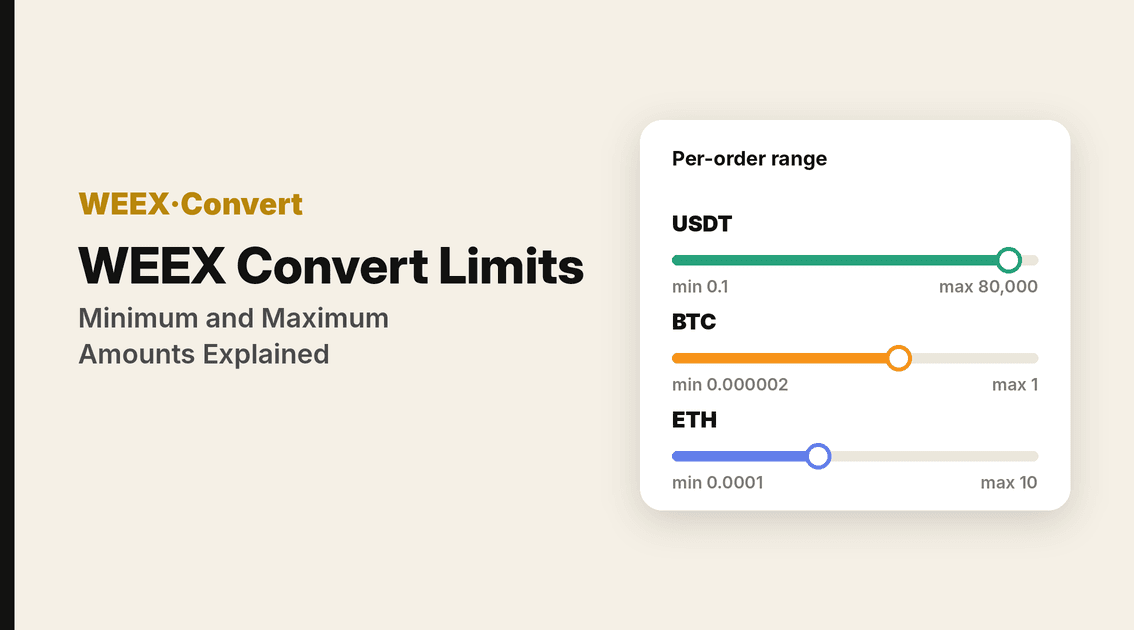
WEEX Convert Limits: Minimum and Maximum Amounts Explained
How to Check a WEEX Convert Order: History, Rate and Status

USDC Significant EMT Status in the EU: What Changes on November 12 Under MiCA
Walrus (WAL) Jumps 30%: Sui Storage Token Rallies on AI Data
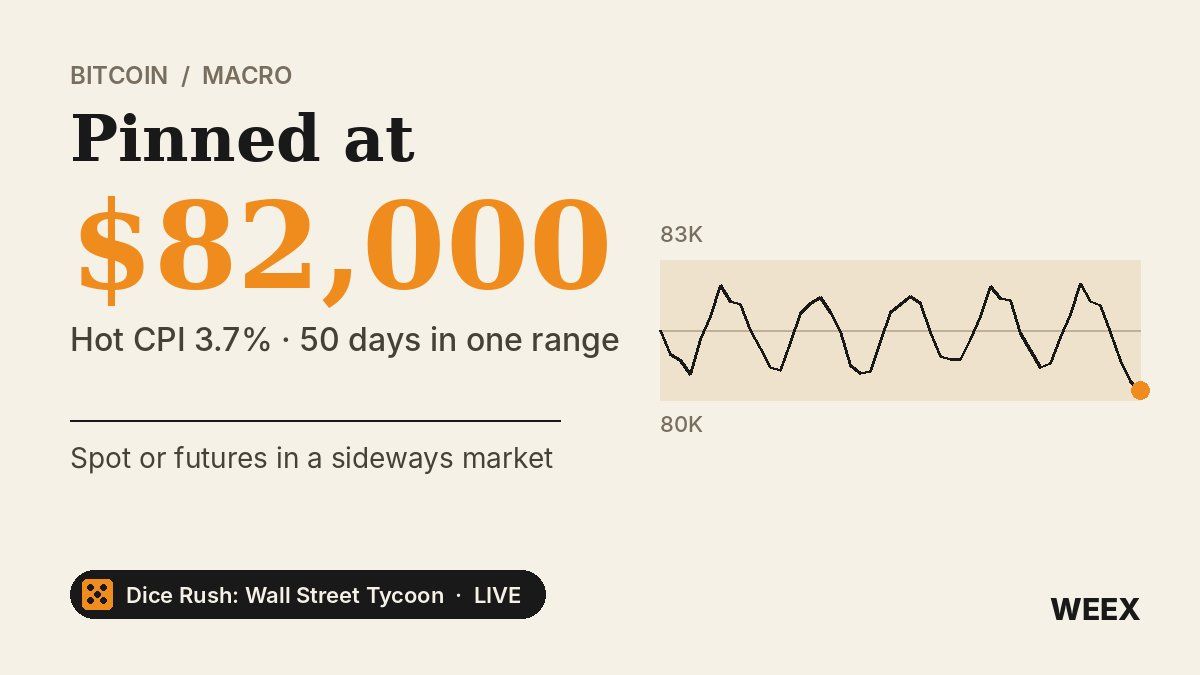
Bitcoin Price After Hot CPI: Why BTC Is Pinned Near $82,000
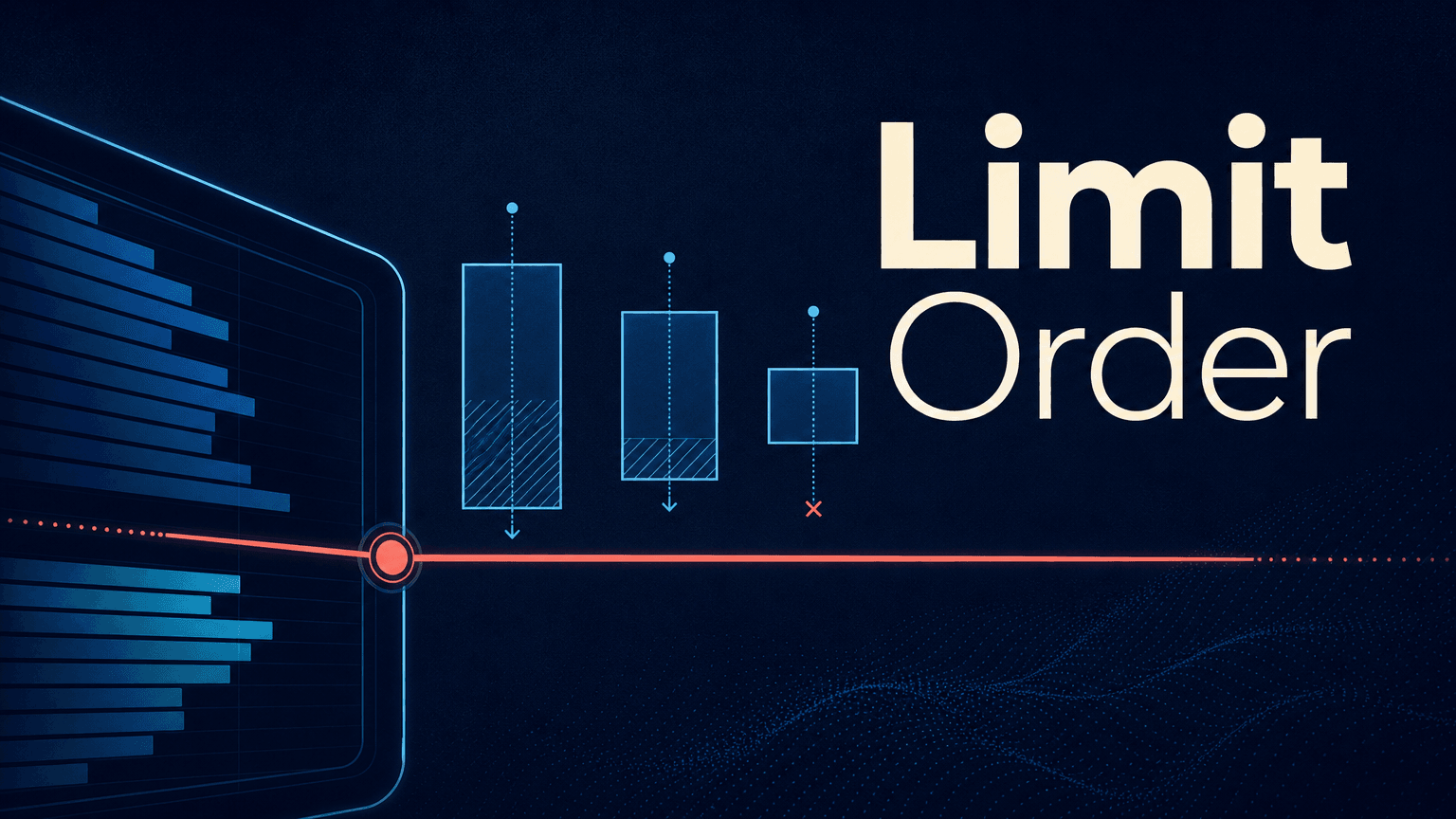
What Is a Limit Order? How It Works and When to Use It

Best Crypto Miner for Beginners: What to Check on Cost, Power, Hashprice and Profit Before You Buy

Limit Order vs Market Order: Which One to Use When Trading Crypto
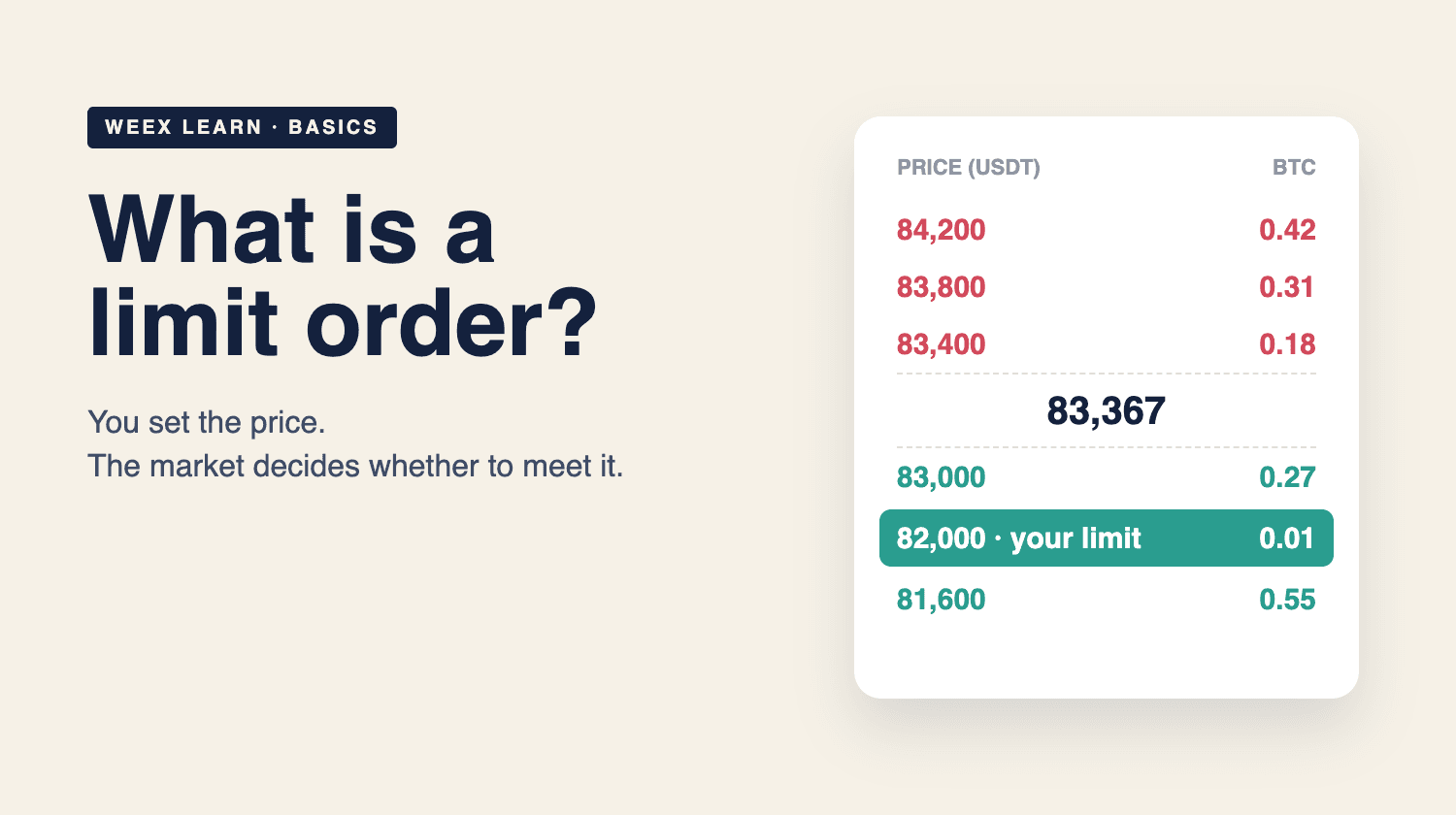
What Is a Limit Order? How It Works in Crypto With BTC Examples
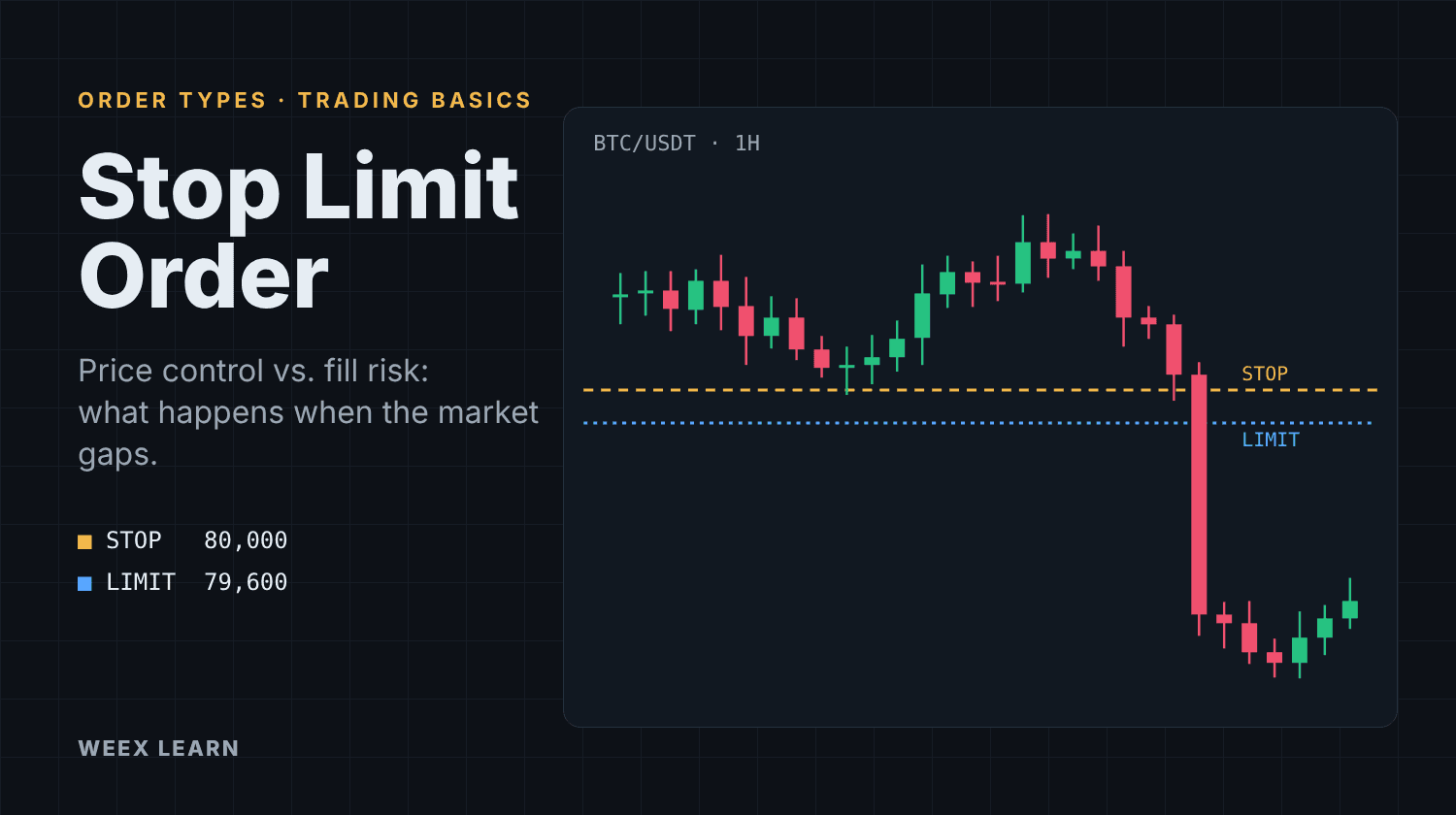
Stop Limit Order: How It Works and Why It Can Fail to Fill
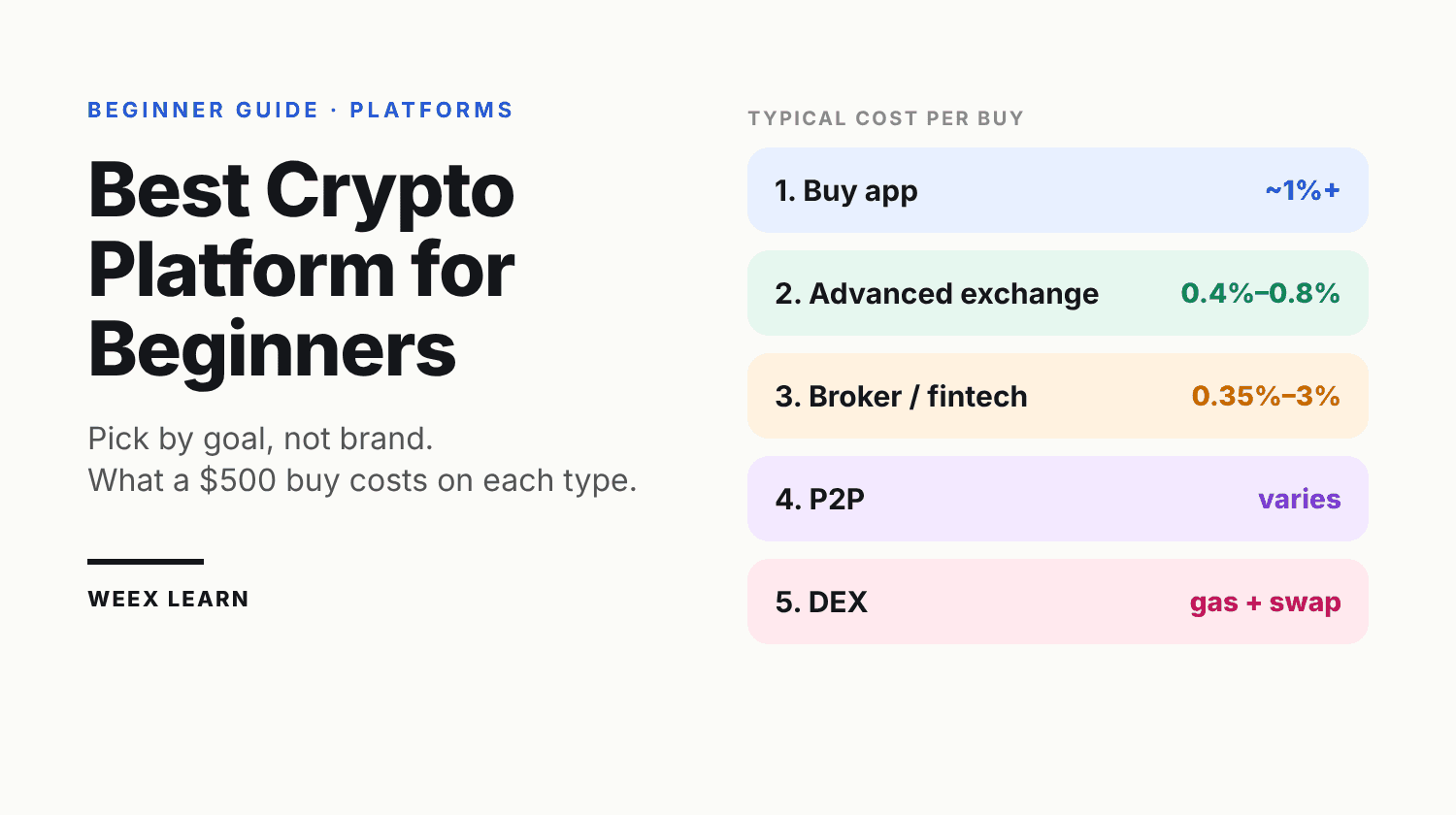
Best Crypto Platform for Beginners: Pick by Goal, Not Brand

Best Crypto Podcasts for Beginners: A 4-Week Listening Plan

How to Buy Crypto Anonymously: 5 Methods, Real Costs and Limits

Will Bitcoin Break $87,000 This Week? CPI, Fed Speakers and ETF Outflows to Watch

Conflux (CFX) Price Jumps on China's National Blockchain Network Plan: Does the Policy Actually Name CFX?
BTC Futures Analysis: $80K Held, but Longs Are Still Paying Up
ETH Futures: Why Ether Is Falling Faster Than Bitcoin This Week
ENA Token Price Drops After October 5 Unlock: What Happened to Ethena?
What Is Blockchain and How Does It Work? One Real Payment Traced

How to Buy Crypto With a Prepaid Card: Step-by-Step Guide
Best Crypto Trading Strategies for Beginners: What to Know Before You Trade
Crypto Leverage Trading Explained: How Perpetual Futures, Margin and Liquidation Work
Crypto Leverage Trading Platform: 6 Checks Before You Deposit
What Is Margin Trading? A $1,000 Example at 3x and 10x Leverage
How to Day Trade Crypto for Beginners: The Math Behind One Trade
Trading Psychology for Beginners: Crypto Traps and Hard Rules
What Is a Bitcoin ETF? How Creation, Custody and Fees Work


