
Best Crypto Leverage Trading Platform: Things to Compare Before You Choose an Exchange

 Prefer us on Google


The best crypto leverage trading platform is not a single exchange that wins for everyone, because the right choice depends on where a trader lives, what products they need and how much risk they can accept. Rankings that name one winner often rest on affiliate payments or on the highest leverage on offer, which is the least useful way to judge a platform.
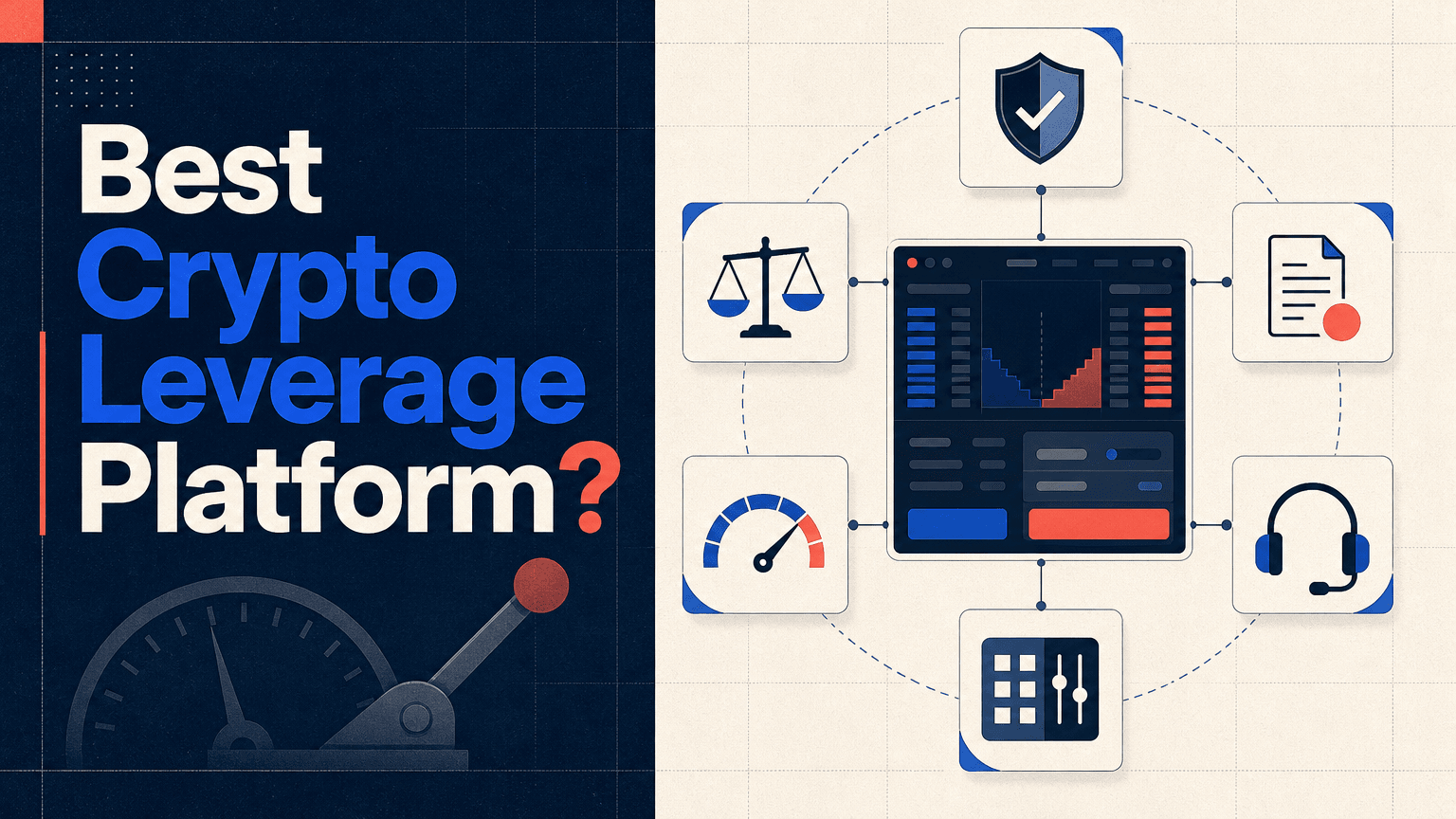
A fairer way to find the best crypto leverage trading platform for a given trader is to compare exchanges on the same set of facts: what trading really costs, how margin and liquidation are handled, how funds are protected and whether the platform is allowed to serve the trader’s country. Leveraged positions can lose the full margin quickly, so those details matter more here than they do for ordinary spot buying.
What Should Traders Look for in the Best Crypto Leverage Trading Platform?
Traders should look for a platform that is clear about its rules, fits their region and experience, and gives them the products and risk controls they will really use. A useful first step is to write down the basics before opening any exchange page: the assets to trade, the contract type needed, such as perpetual futures, the typical position size and the maximum loss the trader can accept. With those answers, comparing platforms becomes a matter of checking facts against a list, instead of reacting to banners about huge leverage or bonuses.
A second step is to separate marketing from mechanics. Maximum leverage, sign-up bonuses and trading competitions are easy to advertise, but they say little about how a position behaves when the market moves fast. The pages that matter are the contract specifications, the fee schedule, the margin and liquidation rules, and the terms of service. A platform that publishes these clearly and keeps them easy to find gives a trader something concrete to compare, while one that hides them behind sales pages is harder to judge.
How Do Fees, Funding Rates and Liquidity Affect Trading Costs?
Fees, funding rates and liquidity together set the real cost of a leveraged trade, and a small difference in any of them can matter more than it looks. Most platforms charge a maker fee for orders that add liquidity and a taker fee for orders that take it, and perpetual contracts add funding payments between long and short traders at regular intervals. As an illustration only, a 10,000 USDT position with a 0.05% fee on each side costs 5 USDT to open and 5 USDT to close, which is 10 USDT in total, or 1% of the 1,000 USDT margin used at 10x, by the author’s arithmetic. Funding, withdrawal fees and any fees on liquidation come on top.
Liquidity affects cost in a less visible way. A market with deep order books lets a trader enter and leave with little slippage, meaning the executed price stays close to the displayed one, while a thin market can fill a large order at a worse price and can make stop orders behave unpredictably. Traders can compare the depth and the spread, the gap between the best buy and sell prices, for the specific contracts they plan to use, because a platform may be liquid in major pairs and thin in smaller ones. Fee discounts based on volume or token holdings can also change the comparison, so the figures are worth checking against realistic trading activity.
Which Margin and Liquidation Rules Should Traders Check?
Traders should check how the platform sets maintenance margin, which margin modes it offers, how it prices liquidation and what happens when a liquidated position cannot be closed at the expected price. These rules decide how far the market can move before a position is closed. Many platforms use tiered maintenance margin, where larger positions need a higher percentage, and some offer both isolated margin, which limits the risk to one position, and cross margin, which backs positions with the whole balance. The leverage cap is only one number, and a higher cap does not make a platform better. It mostly moves the liquidation price closer to the entry price.
Pricing and shortfall handling are also worth reading. Many platforms trigger liquidation from a mark price, a blended reference price, so that a brief spike on one venue does not close positions unfairly, while others use the last traded price. When the market gaps through a liquidation level, some platforms use an insurance fund to cover the shortfall and some may reduce profitable opposing positions automatically, a process often called auto-deleveraging. The documentation should explain which method applies, together with the order types available, such as stop-loss, take-profit and trailing orders. A trader who cannot find these details has a reason to hesitate.
-- Price
How Can Traders Judge a Platform’s Security, Transparency and Regulation?
Traders can judge a platform by how it protects customer assets, how openly it reports on them and whether it is permitted to serve their country. Security basics include two-factor authentication, withdrawal address allowlists, anti-phishing codes and a clear record of how the platform has handled past incidents. Transparency tools include proof of reserves, which is a published attempt to show that the platform holds assets matching customer balances. A proof of reserves is most useful when the method is explained and the report also addresses liabilities, because showing assets alone does not show that every customer claim is covered. Some platforms also run protection or insurance funds, which can soften certain losses but do not remove market risk.
Regulation varies widely by country, and the rules for derivatives are often stricter than those for spot trading. Some platforms restrict leveraged products for users in certain regions, and a trader who ignores those restrictions can find accounts limited or withdrawals delayed. The platform’s terms of service and its list of restricted jurisdictions are the first place to look, and local financial regulators often publish warnings and registries. A license or registration is a useful signal and not a guarantee of safety, and the lack of one is a reason to read further before depositing money.

What Tools, Support and Product Range Matter for Your Experience Level?
The tools, support and product range that matter most are the ones that match how often and how skillfully the trader trades. A beginner usually benefits from a clear interface, a demo or paper trading mode where one exists, educational material and a visible liquidation price on every order ticket, while an experienced trader may care more about an API, advanced order types, charting, risk dashboards and the ability to manage several positions at once. A platform with many products is not automatically better, because extra contracts and high-leverage options can encourage overtrading.
Support deserves a test before any real money is deposited. Traders can look at response times, available channels and whether answers about fees, liquidation and withdrawals are specific or generic. Reviews from independent communities can show recurring problems, such as delayed withdrawals or sudden rule changes, though individual complaints should be read with caution. A sensible approach is to start small, test deposits, a small trade and a withdrawal, and keep position sizes low until the platform has behaved as described. Leverage amplifies mistakes, so a platform that makes the risk easy to see and easy to limit is serving the trader better than one that only makes it easy to open large positions.
Conclusion
No single exchange is the best crypto leverage trading platform for every trader, so the useful comparison covers fees and funding, margin and liquidation rules, security and transparency, regulation, tools and support. Higher advertised leverage mostly means a closer liquidation price, not a better platform.
Readers can turn this into a checklist, compare two or three exchanges on the same points and test with small amounts before trading seriously. Terms change over time, so the platform’s own documentation and local regulatory guidance should be checked before relying on any detail here.
FAQ
1. What is the best crypto leverage trading platform?
There is no single best crypto leverage trading platform for everyone, because the right choice depends on region, experience, products and risk limits.
2. What fees should I compare on a crypto leverage trading platform?
Compare maker and taker fees, funding rates, withdrawal fees and liquidation fees. A best crypto leverage trading platform comparison should use realistic position sizes, not headline rates alone.
3. Does higher leverage make a crypto leverage trading platform better?
No, higher leverage mostly moves the liquidation price closer to the entry price. A crypto leverage trading platform with clear risk controls is usually more useful than one offering the highest cap.
4. How can I check whether a crypto leverage trading platform is safe?
Look at its security features, proof of reserves, incident history, protection funds and regulatory status in your country. No single signal removes the risk of losing funds.
5. Should beginners use a crypto leverage trading platform?
Beginners face a high risk of fast losses on any crypto leverage trading platform. Many start with small sizes, low leverage and a demo mode where one is offered.
This content is provided for general informational purposes only and doesn't constitute financial, investment, legal, or tax advice. Any events, rewards, online promotions, or related information mentioned herein should not be considered a recommendation, solicitation, or invitation to purchase, sell, trade, or otherwise deal in any crypto assets. Crypto assets are highly volatile and may result in loss. The availability of WEEX services, products, and related events may vary by region. You are responsible for ensuring that your participation is in accordance with applicable local laws and regulations.
You may also like
Is RSI a Good Indicator? How the Relative Strength Index Works, Its Limits and How Traders Use It
Bitcoin Price After Hot CPI: Why BTC Is Pinned Near $82,000
CoreWeave Stock Plunges 15%: Why a Bond Yield Spooked CRWV

WEEX 2026 New User Guide: Register, Complete KYC, and Claim the Welcome Bonus (Step-by-Step)

WEEX Convert Guide: How to Swap Crypto on Web and App and What the Quote Really Means
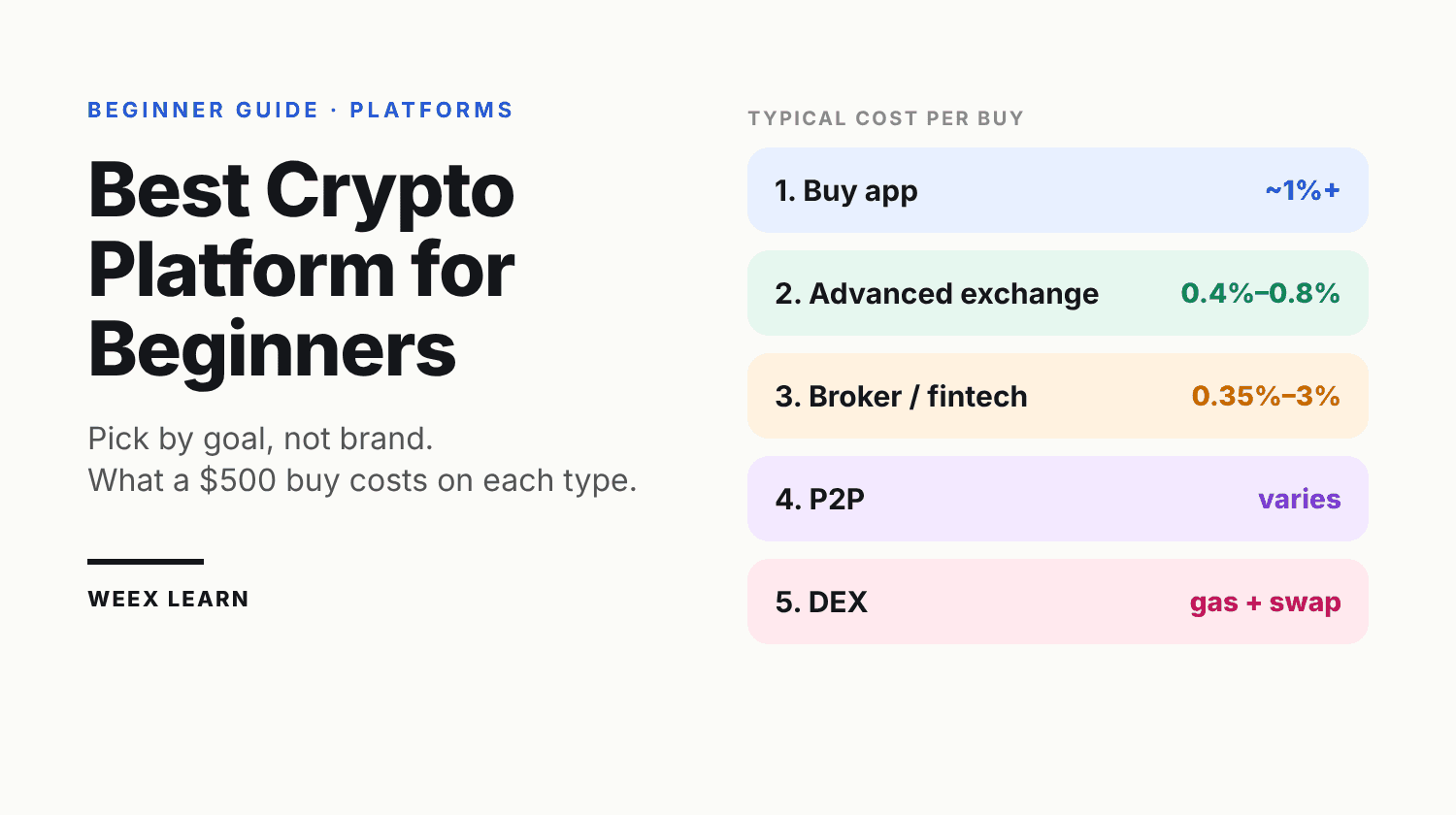
Best Crypto Platform for Beginners: Pick by Goal, Not Brand
Best Cold Wallet Crypto for Beginners: 5 Picks Under $150

Best Crypto Broker for Beginners: What to Check in Fees, Regulation, Security and Support Before You Deposit
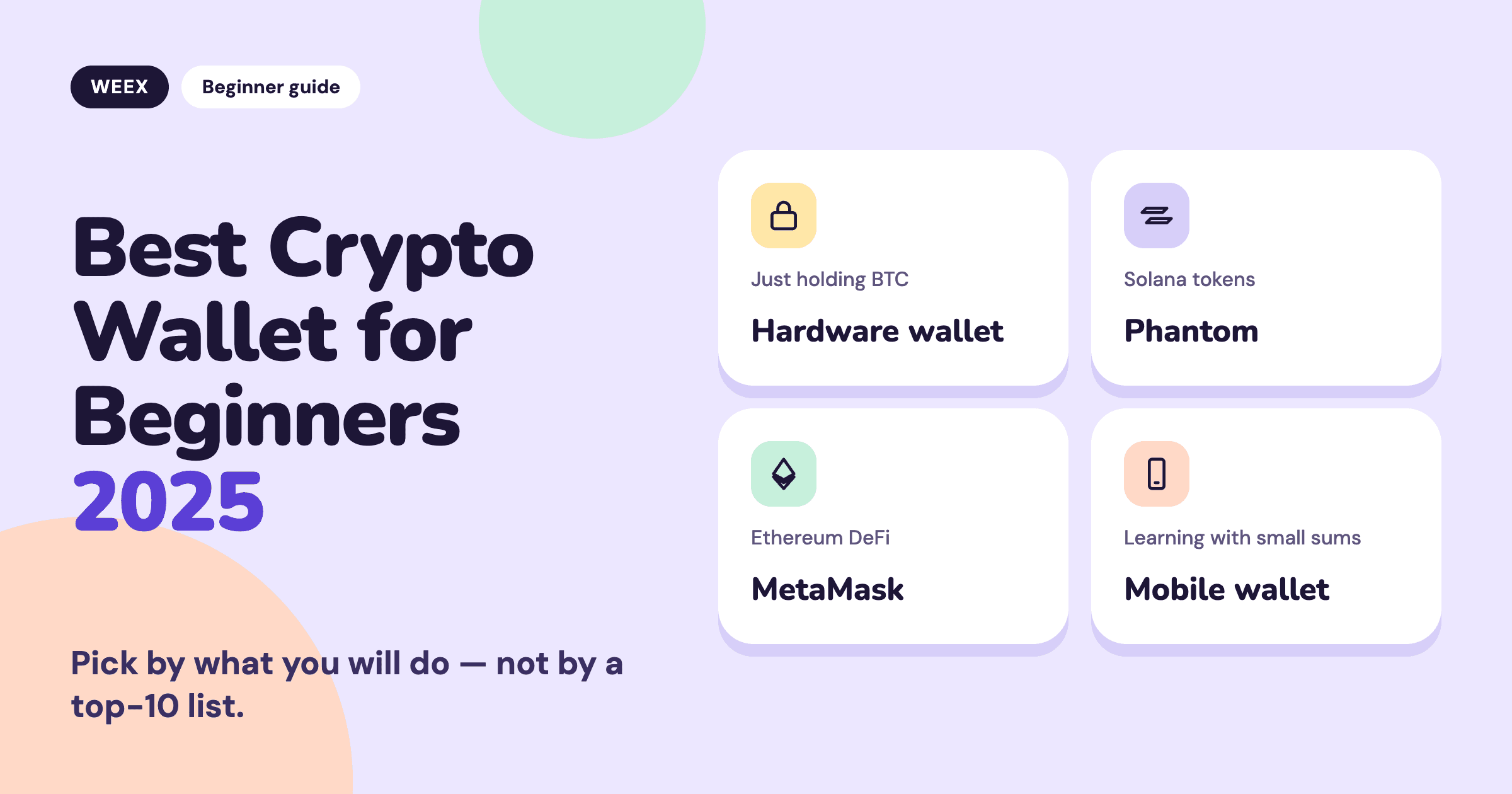
Best Crypto Wallet for Beginners 2025: Pick by What You Will Do
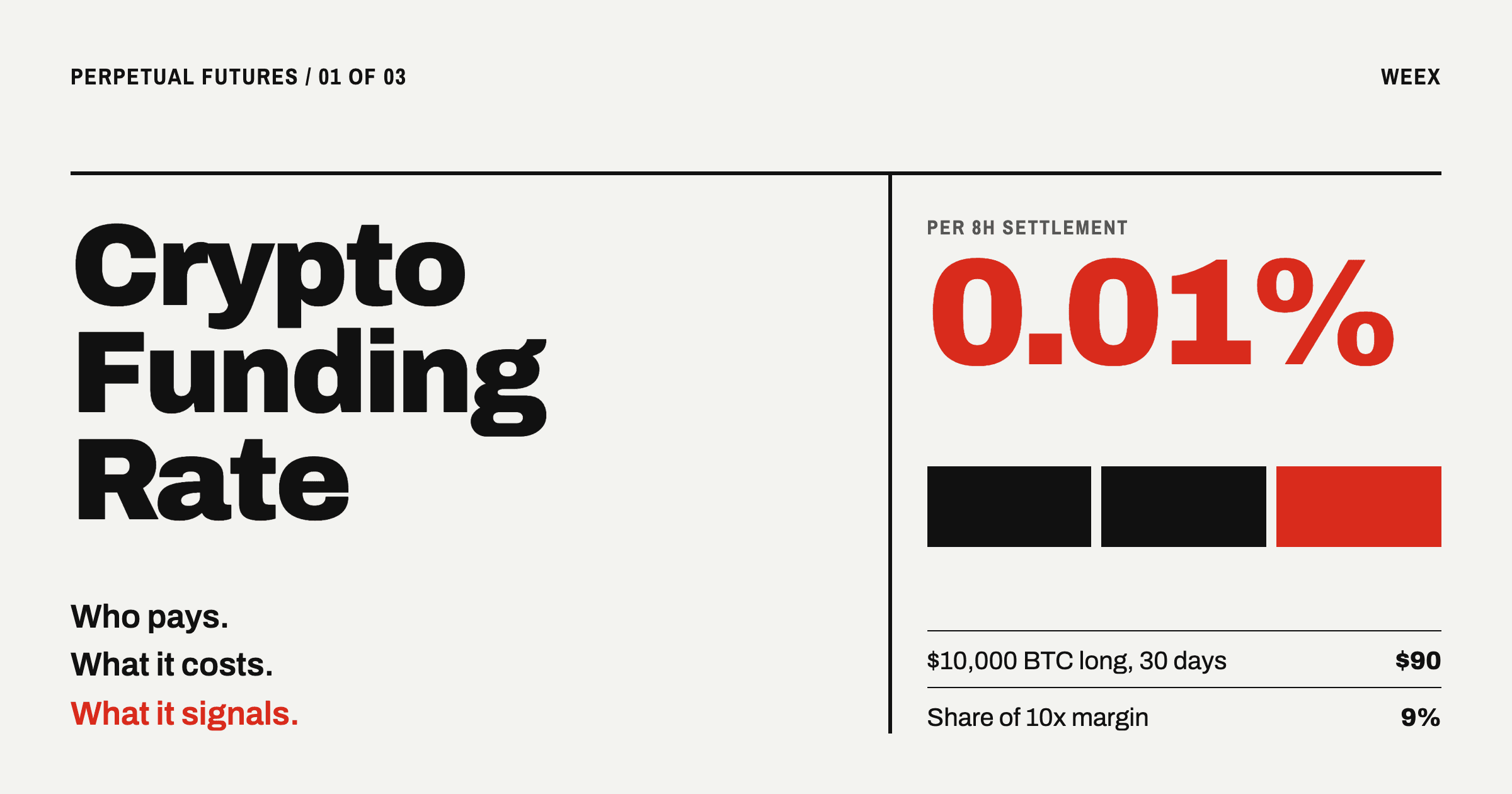
Crypto Funding Rate: Who Pays, What It Costs, What It Signals

How to Use an APR Boost on WEEX Auto Earn Without Wasting It
Anonymous Crypto Wallet: What Each One Hides and Where It Fails
What Is a Blockchain Node? Types, 2026 Counts, and Real Costs
Taiwan Stock Market Nears 50,000: Can the TAIEX Break the Milestone After the Holiday?
How to Buy USDT in Thailand: Payment Methods, Fees and Transfer Checks
WEEX API Key Setup: How to Connect a Third-Party Platform Safely

How to Become a WEEX Broker: Application, API Setup and Go-Live
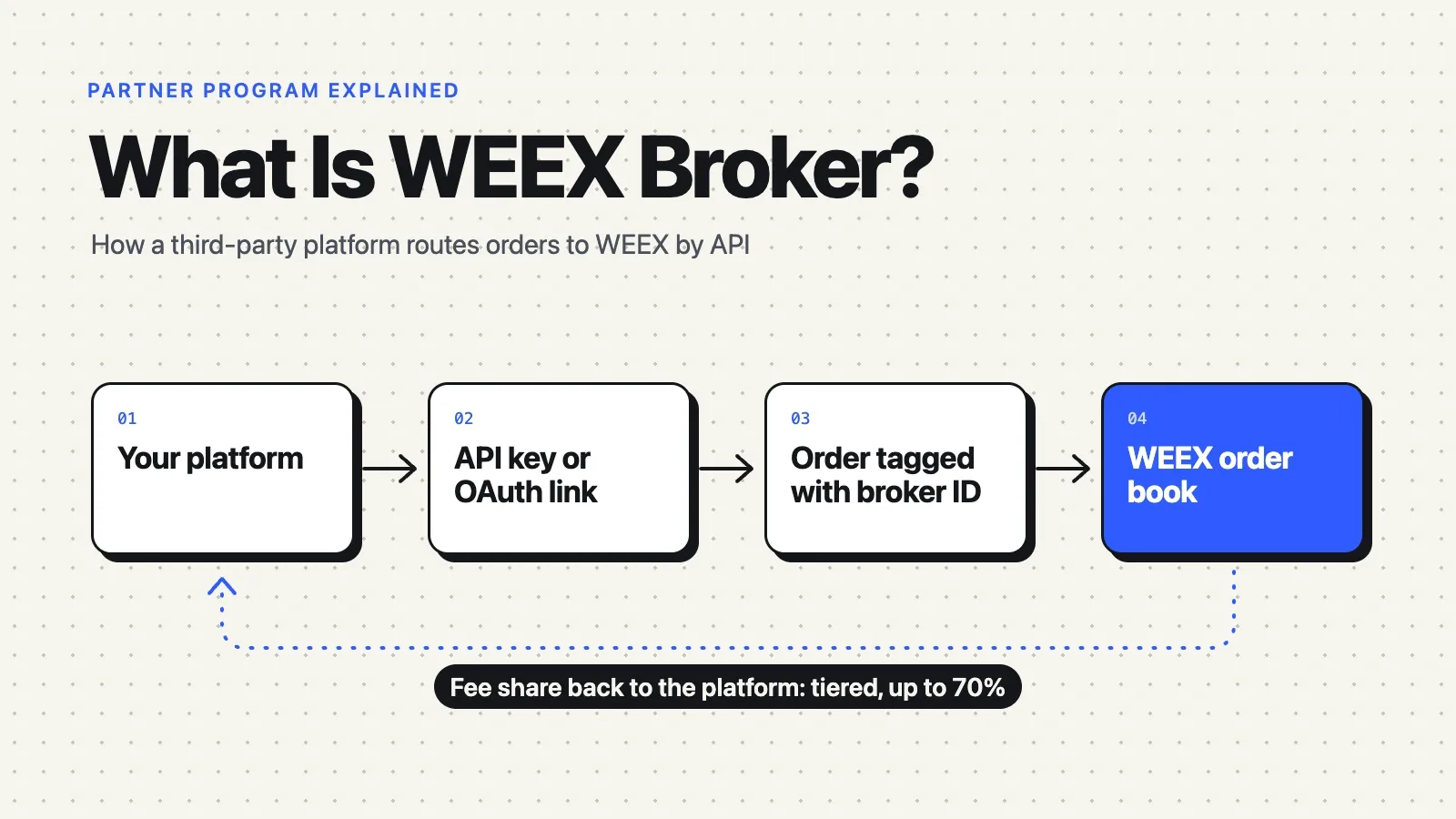
What Is WEEX Broker? API Program, Commissions and How It Works
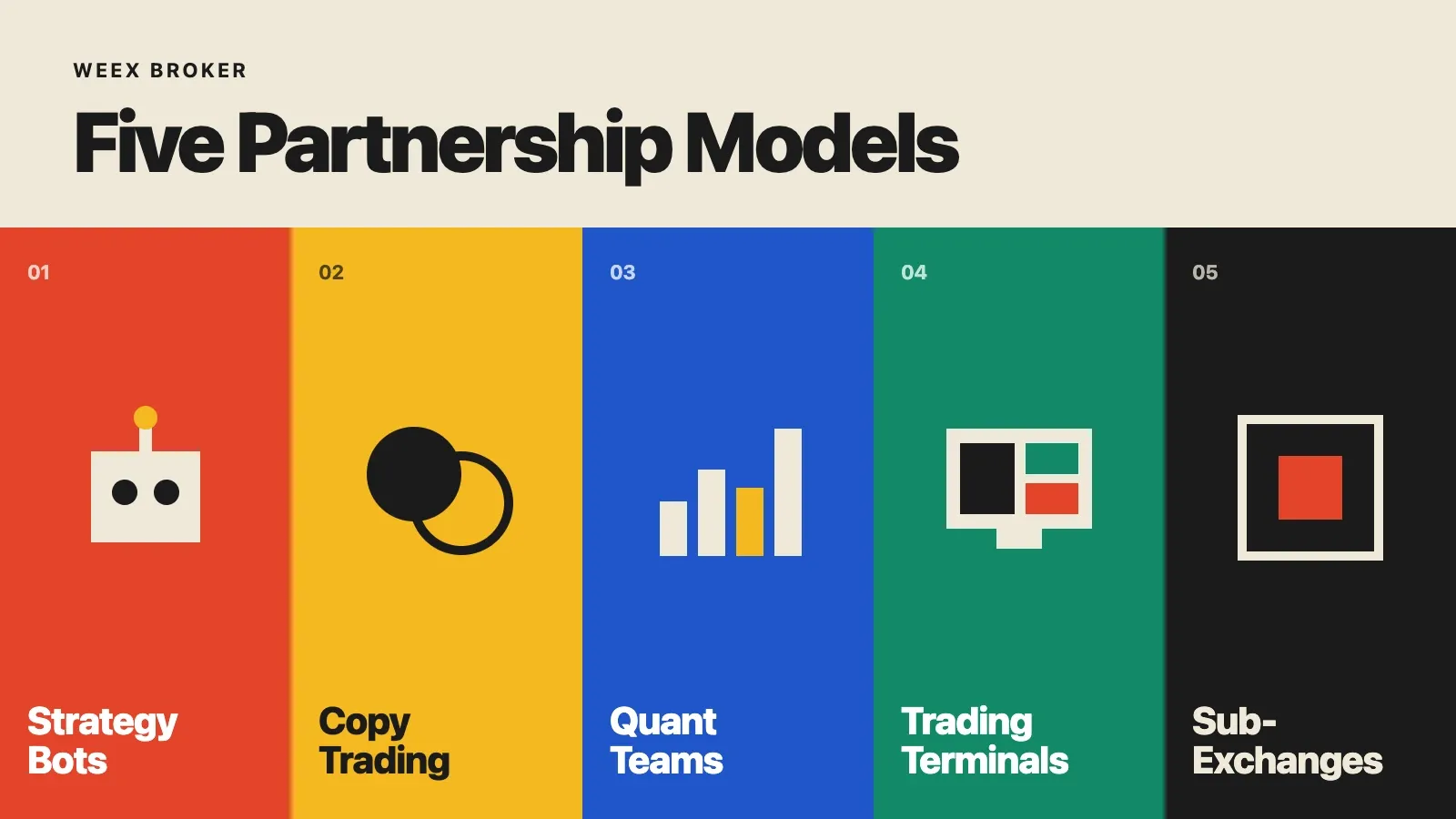
WEEX Broker Models: Strategy Bots, Copy Trading and Sub-Exchanges

What Is Orca (ORCA) Crypto? The Solana DEX, USDY Liquidity, and the ORCA Name Confusion
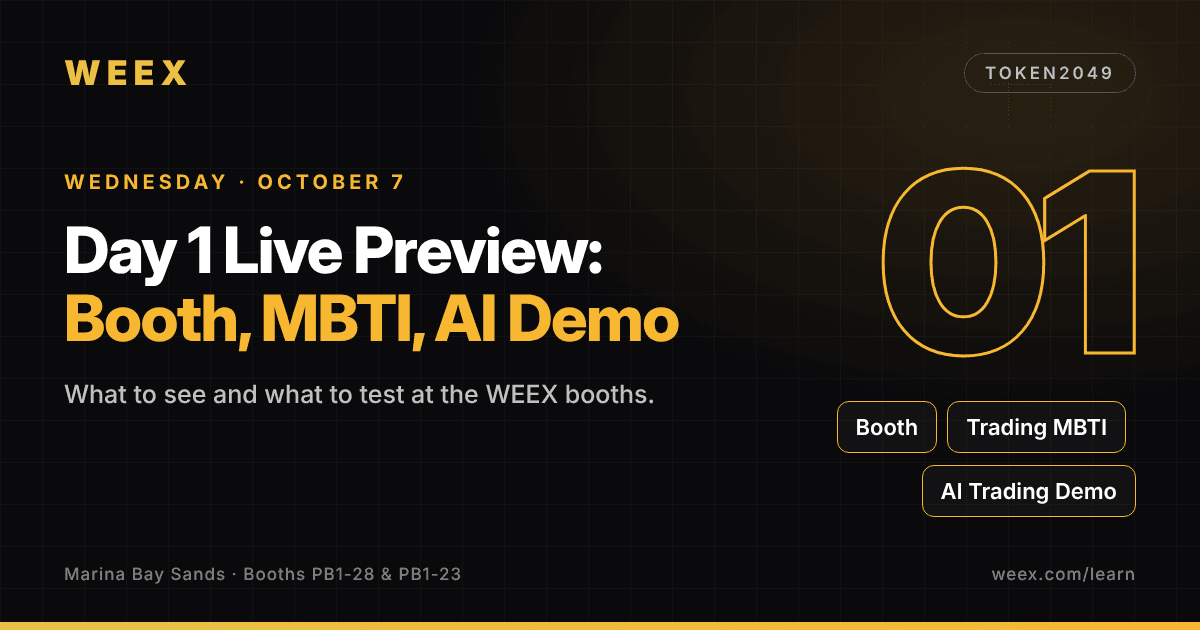
WEEX TOKEN2049 Day 1 Live Preview: Booth, MBTI and AI Demo
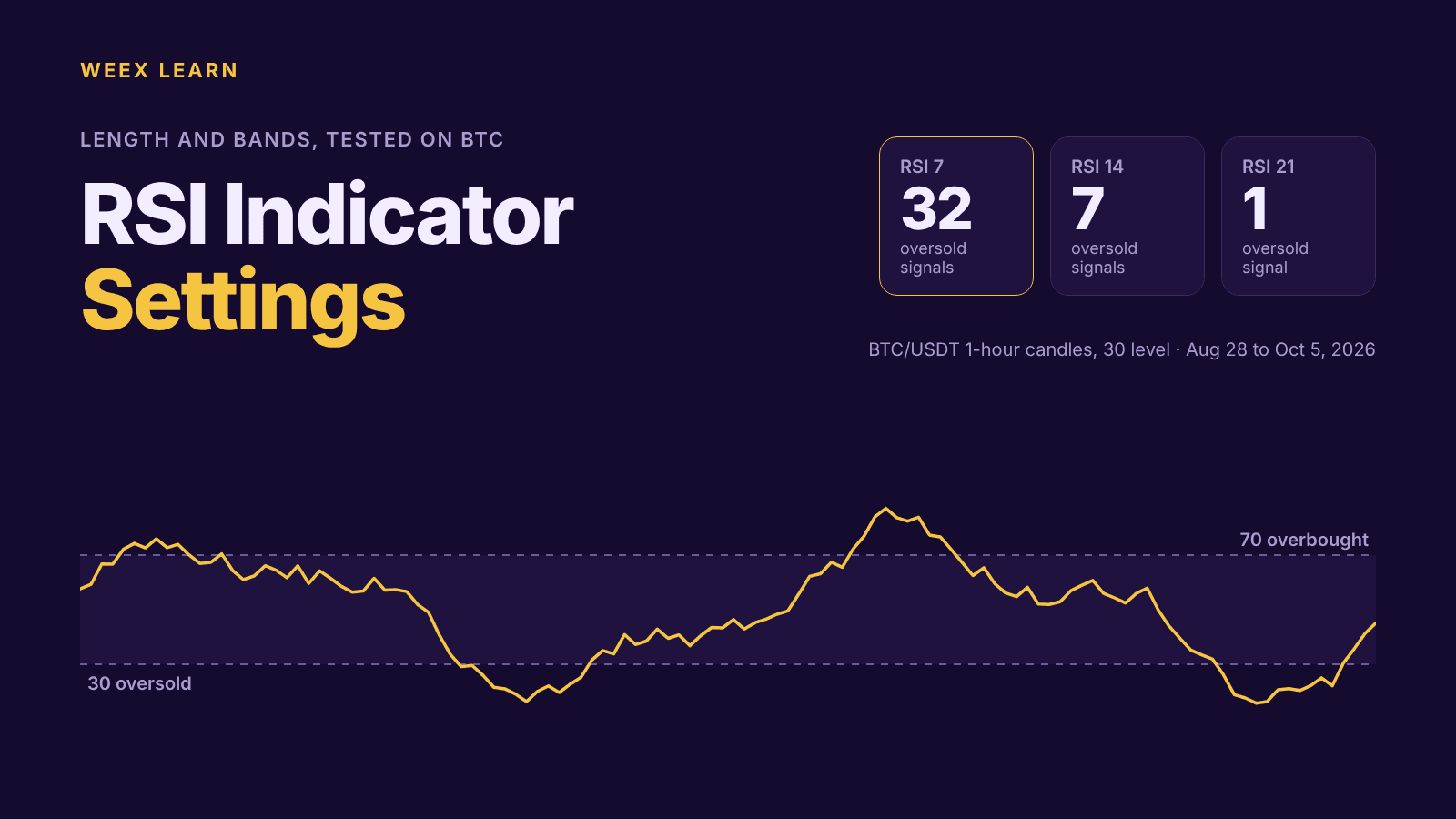
RSI Indicator Settings: What 7, 9, 14 and 21 Did on BTC Charts
Best Crypto Apps for Beginners: The Five Features That Actually Matter on Your Phone
Stock Market Crash Risk in 2026: The Warning Signs Worth Watching
What Is Blockchain and How Does It Work? A Transaction Traced
How to Buy Crypto with PayPal: The Custody Catch Most Beginners Miss
What Is STOCKER? Stockereum, Stock-Paired Meme Tokens, and Risks
XRP Upgrade Update: XRPL Batch Slips to Oct 9 and What Changes

What Is Coinbase Wrapped HYPE (cbHYPE)? How It Works on Base, 1:1 Backing, Risks, and HYPE Conversion
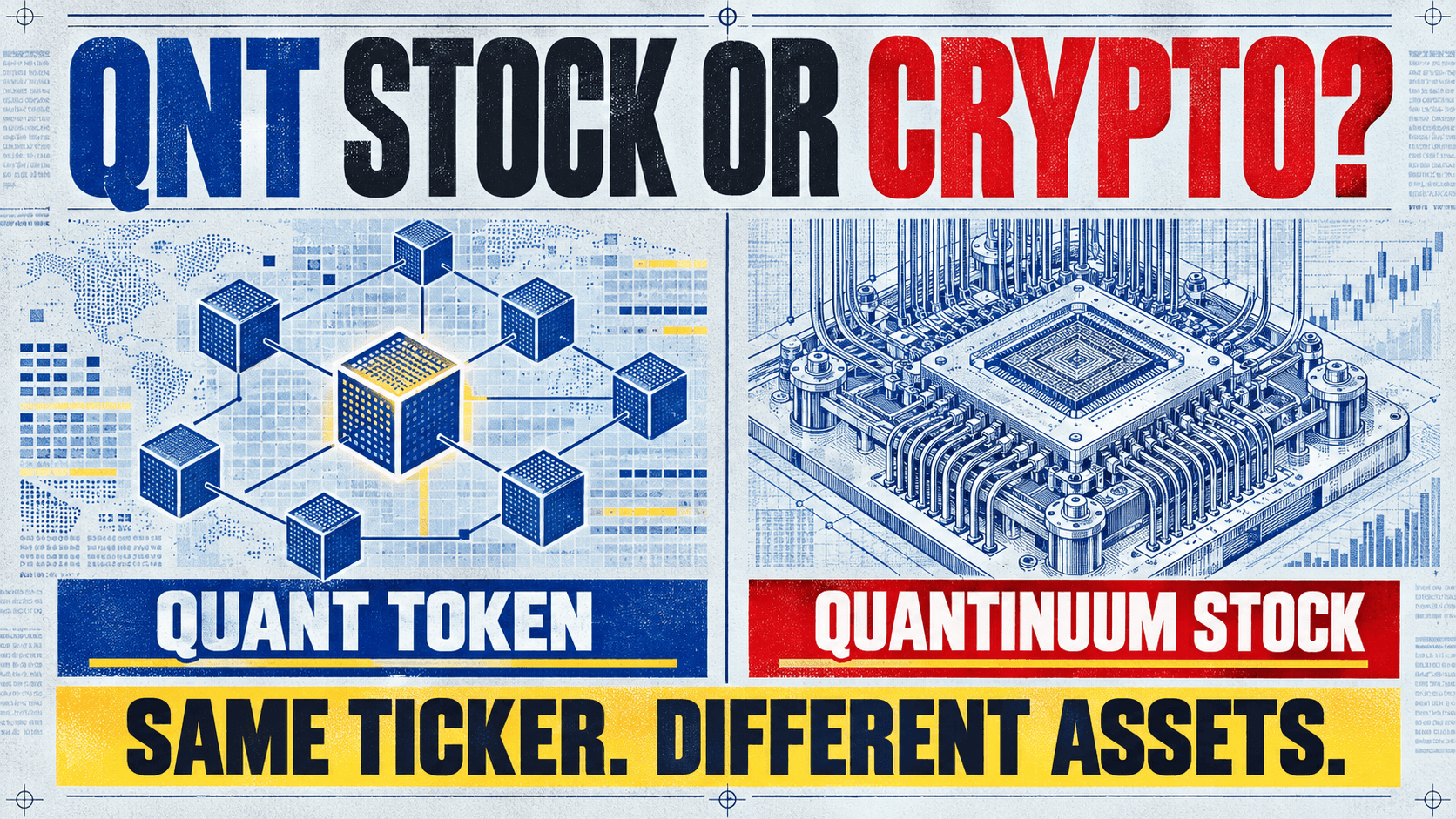
Is QNT a Stock or Crypto? Quant (QNT) and Quantinuum Stock Are Not the Same Asset
Is RSI a Good Indicator? How the Relative Strength Index Works, Its Limits and How Traders Use It
Bitcoin Price After Hot CPI: Why BTC Is Pinned Near $82,000
CoreWeave Stock Plunges 15%: Why a Bond Yield Spooked CRWV
WEEX 2026 New User Guide: Register, Complete KYC, and Claim the Welcome Bonus (Step-by-Step)
WEEX Convert Guide: How to Swap Crypto on Web and App and What the Quote Really Means
Best Crypto Platform for Beginners: Pick by Goal, Not Brand


