Austria Crypto Tax 2025: A Complete Guide

By: WEEX|2025-10-13 01:02:48
0
Share
copy

Cryptocurrency taxation has become an essential part of financial planning for Austrian investors and traders, given the rapid adoption of digital assets in recent years. As regulatory clarity improves, understanding how Austria taxes crypto is crucial for avoiding unnecessary penalties and maximizing your returns. This 2025 guide explores every aspect of crypto taxation in Austria, from how the Austrian Ministry of Finance (BMF) tracks transactions, the rules for new and legacy assets, tax rates, allowable deductions, DeFi implications, and best practices for accurate reporting. Whether you are holding, trading, earning, or engaging in decentralized finance, this guide arms you with the knowledge needed to stay compliant and reduce your crypto tax bill.

Do You Pay Cryptocurrency Taxes in Austria?

In Austria, cryptocurrency is indeed subject to taxation. The Austrian Ministry of Finance (BMF) classifies crypto assets as intangible property, applying similar tax rules to those for stocks and bonds. Since March 1, 2022, Austria has adopted a comprehensive framework governing how crypto gains are taxed, focusing on ensuring fair taxation of both investment and income-generating activities.

Definition of Taxable Crypto Activities

Understanding which activities trigger a tax liability is the first step for any Austrian crypto investor. Failure to report taxable events can lead to audits, fines, and back taxes. Here’s an overview of major taxable events in Austria:

Activity

Taxable?

Tax Type

Buying crypto with EUR (fiat)NoN/A
Buying crypto with cryptoNoN/A
Holding (HODLing) cryptoNoN/A
Selling crypto for EUR (acquired post 2/28/2021)Yes27.5% capital gains
Selling crypto for EUR (legacy holdings, held >1 year)NoN/A
Swapping crypto for cryptoNoN/A
Transferring between own walletsNoN/A
Spending crypto (goods/services)Yes27.5% capital gains
MiningYes27.5% (treated as income and disposal)
DeFi/Lending/Staking with third partiesYes27.5% (on receipt)
Receiving airdrops/forksYes27.5% (on disposal)
Receiving crypto as a giftNoN/A
Donating cryptoNoN/A

As illustrated, not every crypto transaction is taxed, but most profit-generating or disposition activities are. Notably, buying and holding crypto is tax-free—a significant benefit for long-term investors.

Special Allowances and Exemptions

Austria also recognizes several special cases and exemptions:

  • Crypto acquired before February 28, 2021 and held for more than one year is tax-free upon disposal.
  • Small speculative profits (less than €440 per year) are also tax-free, but if you exceed this threshold, the full amount becomes taxable.

Examples

If Anna purchased 2 ETH for €1,000 each in 2020 and sells them for €2,000 each in 2025, she owes no tax since she held them for over one year prior to February 28, 2021. However, if Ben buys 1 BTC for €40,000 in March 2023 and sells for €52,000 in June 2025, his €12,000 gain is taxed at 27.5%.

How Much Tax Do You Pay on Crypto in Austria?

The amount of tax you pay on crypto depends on several factors, including when you acquired the asset, your transaction type, and whether you realize gains or generate income. Austria’s updated rules since 2022 aim for simplicity by levying a flat rate on most taxable crypto events.

Austria Crypto Tax Rates and Scenarios

Scenario

Tax Rate

Brief Description

Sale of crypto acquired after Feb 28, 202127.5%Applies to capital gains on most sales/disposals
Sale of legacy crypto (before Feb 28, 2021, held >1 yr)0%Legacy holdings tax-exempt if sold after 1-year period
Sale of legacy crypto (before Feb 28, 2021, held <1 yr)Income tax rate (progressive, up to 55%)Old speculative rules apply
Earning crypto via mining, DeFi, affiliates, etc. (post-2022)27.5%Taxed as investment income at flat rate
Staking rewards (non-custodial/direct PoS)0% (on receipt), taxed at 27.5% on saleSee explanation below
Airdrops, Hard Forks (on disposal)27.5%Cost basis set to zero at receipt
Small speculative trade profits (<€440/year)0%Entire profit tax-free below threshold
Gifts, charity donations0%No tax, but reporting may be required

Calculating Your Tax Bill

Calculating your crypto tax involves determining your “cost basis” (the purchase price plus any fees) and then subtracting it from your sales price. For income generating activities (like mining or DeFi), tax is owed at the fair market value (FMV) at the time of receipt. A capital gain or loss is realized when the asset is finally sold or spent.

Example Calculation Table:

Transaction

Purchase Price (Cost Basis)

Sale Price (EUR)

Gain/Loss

Tax Owed (27.5%)

Buy 1 BTC in 2023 for €30,000€30,000   
Sell 1 BTC in 2025 for €38,000€30,000€38,000€8,000€2,200

Special Tax Considerations

  • If you sell crypto acquired before February 28, 2021 and held less than a year, speculative gains are taxed at your regular income tax rate, which can be much higher than 27.5%.
  • Staking directly (e.g., via your own validator) is tax-free on receipt but taxed at 27.5% when disposed.
  • DeFi and lending rewards are typically taxed on receipt and again on disposal if their value increases.

Can the Bmf Track Crypto?

Yes, the Austrian Ministry of Finance (BMF) uses several methods to ensure compliance and track cryptocurrency activity. Greater cooperation with EU bodies and new legal frameworks mean that crypto ownership is increasingly transparent for regulatory purposes.

Methods of Tracking

  • Know Your Customer (KYC): Austrian residents must undergo KYC verification on most major exchanges, creating a record of identity linked to crypto accounts.
  • Cooperation with Exchanges: The BMF collaborates with major crypto exchanges that share user information when legally required.
  • DAC8 Directive: The European Union’s DAC8 regulation, effective across member states, empowers tax authorities to receive detailed account and transaction information from crypto companies, making anonymous trading increasingly difficult.
  • Company Accounts Audits: The BMF has authority to audit company accounts and obtain related crypto transaction data relevant to tax obligations.

Real-World Impact

If the BMF receives third-party information about unreported crypto gains or activities, they can audit your tax filings, impose penalties, and pursue unpaid taxes. With these robust tracking measures, it is increasingly risky to ignore crypto tax rules in Austria.

-- Price

--

How Is Crypto Taxed in Austria?

Austria’s crypto taxation rules distinguish between assets acquired before and after February 28, 2021. Understanding the applicable rules for different acquisition dates and transaction types is key to accurate tax reporting.

Crypto Acquired After February 28, 2021

  • Flat 27.5% tax: Applies to all gains realized when selling, spending, or disposing of crypto, regardless of holding period.
  • Mining, staking via third-party, DeFi: Taxed at 27.5% upon receipt of coin or token, based on fair market value.
  • Disposal of staked/decentralized finance tokens: Further taxed at 27.5% on capital gains.

Crypto Acquired Before February 28, 2021 (“Legacy Holdings”)

  • Short-term holdings (<1 year): Profits taxed as income, at progressive rates up to 55%.
  • Long-term holdings (>1 year): Sale proceeds are entirely tax-free.

Other Key Rules

  • Crypto-to-crypto trades: No tax upon swap; only taxed when crypto is eventually converted to fiat or spent.
  • Airdrops and forks: Not taxed on receipt, but the entire sale proceeds are taxable at 27.5% (cost basis is zero).
  • Gifts and donations: Not taxable, but reporting is required for gifts exceeding €50,000 (relatives) or €15,000 (others) within a year.
  • Adding/removing liquidity (DeFi): Not a taxable event; rewards are taxed when received at 27.5%.
  • NFTs: Not yet covered by new crypto tax rules—consult a tax advisor for specific guidance.

Example Scenario Table

Scenario

Acquired Before 2/28/21?

Held >1 Year?

Tax Rate

Notes

Sold ETHYesYes0%Legacy holding – tax-free
Sold ETHYesNoIncome tax rateIf disposed within 1 year
Sold ETHNoAny27.5%New rules apply
Rewards from DeFi lendingNo / YesN/A27.5% (on receipt)Regardless of hold period

Austria Income Tax Rate

While most crypto activities after February 28, 2021, are subject to the flat 27.5% rate, certain legacy transactions and other types of income may fall within Austria’s progressive income tax system. Below are the income tax rates for the 2025 tax year:

Taxable Income (EUR)

Tax Rate

Up to 11,6930%
11,693 – 19,13420%
19,135 – 32,07530%
32,076 – 62,08040%
62,081 – 93,12048%
93,121 – 1,000,00050%
Above 1,000,00055%

For crypto, these income tax rates generally apply only to:

  • Crypto acquired before February 28, 2021 and sold within a year
  • Certain business activities not covered by the 27.5% investment tax

All other regular taxpayers will use the 27.5% flat rate for qualifying crypto transactions.

Crypto Losses in Austria

Crypto investors often experience both gains and losses, especially during periods of high market volatility. Understanding how to utilize losses is essential for minimizing your tax bill.

Offset Rules for Crypto Losses

  • Offset gains: You can offset crypto capital losses against other capital asset gains taxed at 27.5% (this includes equities, bonds, dividends, and crypto).
  • No carry forward for private investors: Losses must be used in the year they occur; they cannot be carried forward to offset future gains.
  • Business assets: If your crypto assets are classified as part of business assets, you may be able to carry forward up to half of your net capital losses, subject to conditions.

Scenario

Can Offset?

Carry Forward?

Eligible For Offset

Crypto capital lossYesNo (private)Other 27.5% taxed gains
Business crypto lossYes50% of net lossBusiness capital gains

Reporting and Documentation

You must document losses with dates, asset types, acquisition and disposal values, and relevant transaction IDs or records. This is particularly important if you claim losses to reduce your overall tax bill.

Lost or Stolen Crypto

No explicit BMF guidance exists for lost or stolen crypto; however, if you provide sufficient evidence, such incidents may be recognized as a capital loss. Always consult with a tax advisor in these cases.

Defi Tax in Austria

Decentralized Finance (DeFi) is rapidly growing in Austria, but tax guidance is still evolving. The BMF generally takes a broad approach in treating DeFi transaction gains and rewards as taxable income.

Earning from DeFi Protocols

  • DeFi staking, lending, yield farming: Rewards are taxed as income at 27.5% on the fair market value at time of receipt.
  • Selling DeFi tokens after receipt: Any further increase in value is also taxed at 27.5%.
  • Adding/removing liquidity: Not considered taxable disposals, but rewards may be taxed.

DeFi Activity

Taxable Event

Tax Rate

Example

Receive yield tokenOn receipt27.5%Earning 0.1 ETH from liquidity mining—taxed on EUR value when received
Swap LP tokensNo0%Swapping between stablecoins and ETH—no tax on swap
Sell yield tokenOn disposal27.5%Sell previously taxed token at higher price—tax on gain

Unresolved DeFi Issues

Given the complexity of DeFi protocols, some scenarios—such as wrapped tokens, synthetic assets, or perpetual protocols—may require professional advice. As Austrian policy evolves, it is important to monitor BMF guidance and seek an expert tax opinion for complex activities.

Weex: Reliable Exchange and Innovative Tax Solutions

As the Austrian crypto market expands, choosing secure, transparent trading platforms is more important than ever. WEEX exchange is recognized for its reliability and innovative user features that help Austrian investors trade with confidence. With a rapidly growing user base and robust compliance practices aligned with European regulations, WEEX provides a seamless cryptocurrency trading experience, enabling Austrians to buy, sell, or hold digital assets with peace of mind.

Weex Tax Calculator for Austrian Investors

Calculating crypto taxes can feel overwhelming, particularly with Austria’s varying rules for different transaction types and holding periods. To make your tax calculations easier, WEEX offers a comprehensive crypto tax calculator tailored for the Austrian market. Simply enter your transaction details, and the calculator will provide an estimate of your Austrian crypto tax liability, helping you prepare for tax season. Please note that the calculator output should not be considered official tax advice, and all final filings should be confirmed with a tax professional or the Austrian tax authorities.

Access the WEEX Tax Calculator here: [https://www.weex.com/tokens/bitcoin/tax-calculator](https://www.weex.com/tokens/bitcoin/tax-calculator)

Frequently Asked Questions

What cryptocurrencies are subject to tax in Austria?

All cryptocurrencies, including Bitcoin, Ethereum, altcoins, stablecoins, and tokens, are subject to Austrian tax if you dispose of them for a profit, earn them through activities like mining or staking, or receive them as a form of remuneration. NFTs may be subject to different rules, so consult a tax expert for NFT-specific guidance.

How do I calculate my crypto tax liability?

Start by documenting each taxable transaction, including sales, spending, mining, staking, DeFi earning, and receiving airdrops. For each, calculate the euro value at the date of acquisition and at the date of disposal. Subtract your purchase cost (including fees) from your sales value to determine your capital gain or loss. For income-generating activities, apply the 27.5% rate to the fair market value at receipt. Add up all taxable events at year-end to determine your total liability. The WEEX Tax Calculator can assist with these calculations, but always review final numbers with a tax adviser.

What records should I keep for crypto taxes?

Austrian tax law requires you to maintain comprehensive crypto transaction records, including:

  • Dates of acquisition and disposal
  • Purchase and sale prices in EUR, plus associated fees
  • Details of each transaction (asset, amount, and counterparty)
  • Supporting files (wallet addresses, transaction IDs, screenshots, receipts)

These records are crucial in case of a BMF audit and for ensuring accurate tax reporting.

When are crypto taxes due in Austria?

Crypto taxes are reported as part of your annual tax return for the calendar year ending December 31. The deadlines are April 30 (next year) for paper returns and June 30 for electronic returns submitted via FinanzOnline, Austria’s tax portal. After submitting, the BMF will issue an assessment, and you must pay any owed tax within one month.

What happens if I don’t report crypto taxes?

Failing to report or underreporting your cryptocurrency taxes can result in penalties, interest charges, and potential legal action by the BMF. With enhanced data sharing and transparency under DAC8, the risks of evasion are high. It is strongly recommended to stay compliant and report all taxable events to avoid fines and complications.


By following these guidelines and utilizing available tools such as the WEEX Tax Calculator, Austrian crypto investors can confidently navigate the complexities of digital asset taxation in 2025. Staying proactive with records, understanding your obligations, and seeking professional guidance where necessary is the best way to secure your crypto gains and remain tax-compliant.

You may also like

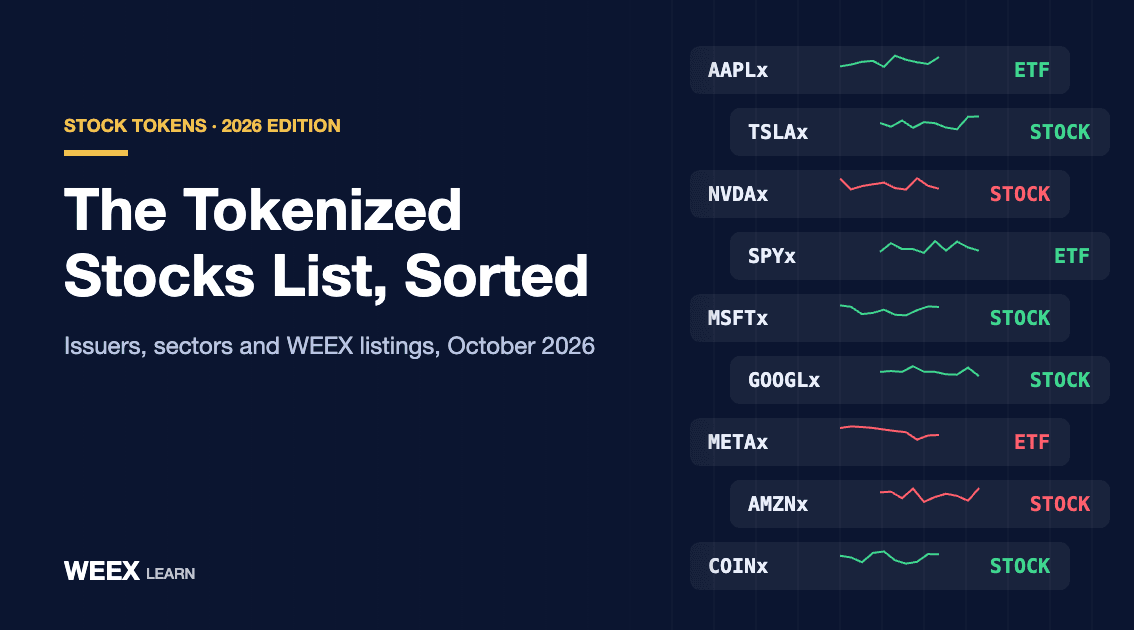
Tokenized Stocks 101: When the World's 7+3 Most Valuable Companies Become Crypto's Underlying Assets

The trend of tokenizing U.S. stocks is unstoppable: U.S. stocks and related ETFs are being extensively tokenized, allowing users to freely buy and sell these “tokenized stocks” on-chain, enabling 24/7 trading, low barriers to entry, and highly combinable on-chain asset allocation.

Among all tokenized U.S. stock assets, the most liquid and most representative of the “U.S. stock market ethos” are the seven tech giants known as the “Magnificent Seven”—Apple (AAPL), Microsoft (MSFT), NVIDIA (NVDA), Amazon (AMZN), Google’s parent company Alphabet (GOOGL), Meta (META), and Tesla (TSLA).

They account for over 80% of the volatility in the U.S. stock market.

In today’s guide, we’ll explore the overall structure of the U.S. stock market, the business evolution of the Magnificent Seven, and finally discuss how three upcoming “rising stars” set to go public will reshape the market.

I. The U.S. Stock Market: A Bull Market Dominated by the “Magnificent Seven”

The U.S. stock market, benchmarked by the S&P 500 Index, has a total market capitalization exceeding $50 trillion, but it is highly concentrated among tech giants. As of April 2026, the “Seven Sisters” collectively accounted for approximately 33.7% of the S&P 500’s weighting (up from just 12.5% in 2016), with a combined market capitalization of about $20 trillion. The top 10 stocks sometimes account for nearly 40% of the index.

Simply put: buying an S&P 500 ETF ≈ buying the “Seven Sisters.”

For ordinary investors, a straightforward question arises: what does this actually mean? The most intuitive answer is that whether you make money or not depends largely on these seven companies.

This structure gives rise to the typical “long bull, short bear” characteristic of the U.S. stock market:

Dual-engine growth driven by earnings and buybacks: These giants consistently maintain free cash flow profit margins of 15%+, combined with annual stock buybacks in the hundreds of billions of dollars, creating a structural bull market characterized by “a floor on the downside and leverage on the upside.”Highly simplified macro-level pricing: The Fed’s interest rate path determines the denominator of valuations, the pace of AI commercialization determines the numerator of earnings, and global dollar liquidity determines market elasticity.Bear markets feature “sharp declines and gradual recoveries”: When macroeconomic headwinds or liquidity tightening occur, indices typically experience a rapid 10%–15% pullback within 1–3 months. However, passive fund allocations and institutional bottom-fishing quickly restore the upward trend, with bear market cycles generally lasting no longer than six months.

For on-chain investors, understanding this structure implies that trading U.S. RWA essentially involves trading the discounted cash flows of a few core assets and macro liquidity premiums. If systemic volatility occurs in the broader market, on-chain prices typically revert to their anchored levels within 1–3 minutes through arbitrage mechanisms.

II. A Detailed Breakdown: The Deep Integration of the “Seven Sisters” and AI

1. NVIDIA—The Computing Power Provider of the AI Era

NVIDIA is the world’s highest-valued publicly traded company and the investment with the fastest profit growth, the most direct benefits, and the greatest certainty in the current AI wave. It is also closely tied to the AI sector of the cryptocurrency market.

- Main Business: GPU chips, with the data center business accounting for approximately 91% of the company’s total revenue.

- Market Capitalization: Approximately $5.09 trillion as of the end of April 2026, with a weighting of about 7.85% in the S&P 500.

- Performance: GPUs based on the Blackwell architecture hold a near-monopoly in the global AI training sector. CEO Jensen Huang has publicly stated that the company’s market capitalization could reach $10 trillion in the future.

Click to Trade NVDAON/USDT

2 Apple — Consumer Hardware × Service Ecosystem Empire

Apple is the world’s second-largest company by market capitalization. Its core business consists of the iPhone, a “super product,” coupled with a service ecosystem spanning over 2.5 billion active devices.

- Main Business: iPhone sales + monetization of the service ecosystem (App Store, Apple Music, iCloud, etc.).

- Market Cap: Approximately $3.97 trillion as of the end of April 2026, with a weighting of about 6.12%.

- Performance: Q1 FY2026 revenue of $143.8 billion, up 16% year-over-year; EPS of $2.84, up 19% year-over-year, exceeding expectations across the board. Services revenue surpassed $30 billion for the first time.

Click to Trade AAPLON/USDT

3. Microsoft — The “Shovel Seller” of Cloud Computing × AI

Microsoft has transformed from a traditional software company selling Windows and Office into a cloud computing and AI integration giant centered on Azure cloud services.

- Core Businesses: Azure cloud services + Copilot AI office assistant + enterprise software.

- Market Cap: Approximately $3.15 trillion as of the end of April 2026, with a weighting of about 4.86%.

- Financial Results: Q3 FY2026 revenue of $82.9 billion (up 18% YoY), EPS of $4.27 (exceeded expectations); Microsoft Cloud revenue: $54.5 billion (up 29% YoY); annualized AI revenue run rate exceeded $37 billion (up 123%). Demand for AI Copilot and Azure remains strong, but AI investments have put slight pressure on gross margins.

Click to Trade MSFTON/USDT

4 Amazon — E-commerce Empire × Cloud Computing King

Amazon is the most diversified of the “Big Seven,” but its true profit engines are AWS (cloud computing) and advertising.

- Core Businesses: E-commerce (traffic base) + AWS Cloud (profit core) + Advertising (fastest-growing major business).

- Market Cap: Approximately $2.83 trillion as of the end of April 2026, with a weighting of about 4.37%.

- Financial Results: Q1 2026 revenue of $181.5 billion (up 17% YoY), EPS of $2.78 (beat expectations); AWS cloud business revenue of $37.6 billion (up 28% YoY, the fastest growth in 15 quarters). AWS accounts for only about 17–18% of total revenue but contributes over 60% of operating profit; Annualized revenue from the advertising business has exceeded $70 billion, with growth exceeding 20%.

Click to Trade AMZNON/USDT

Alphabet, Google’s Parent Company—The “Trio” of Search × AI × Cloud

Alphabet holds nearly 90% of the global search engine market share, while also owning Google Cloud, the world’s third-largest cloud platform, and DeepMind, the leading AI research organization.

Core Businesses: Search Advertising (Cash Cow) + Google Cloud (Rapid Growth) + AI Business.Market Cap: Approximately $4.20 trillion combined, with a combined weighting of about 6.51%.Performance: Q1 2026 revenue of $109.9 billion (up 22% YoY), EPS of $5.11 (significantly beating expectations); Google Cloud revenue of $20.0 billion (up 63%).

Click to trade GOOGLON/USDT

6 Meta — The AI Advertising Machine of Social Media

After navigating the “metaverse slump” of 2022, Meta staged a strong rebound in 2025 driven by AI advertising.

Core Business: Social media advertising across the Facebook, Instagram, and WhatsApp ecosystem.Market Cap: Approximately $1.70 trillion as of the end of April 2026, with a weighting of about 2.62%.Performance: Daily active users (across the entire suite) reached 3.58 billion, continuing to grow even at this massive scale. Annualized revenue from the AI advertising automation tool Advantage+ has reached $60 billion, with AI-driven ad impressions growing by 18% and average ad prices rising by 6%.

Trade METAON/USDT

Tesla — The Narrative King: From Selling Cars to Selling the “Future”

Tesla is the most unique of the “Seven Sisters”—there is a significant tension between its actual financial performance (car sales) and its capital market narrative (autonomous driving + robotics).

Core Businesses: Electric vehicle manufacturing + energy storage + Full Self-Driving (FSD) system + Optimus robot.Market Cap: Approximately $1.40 trillion as of the end of April 2026, with a weighting of about 2.1% .Performance: 2025 marked the first full-year revenue decline, down approximately 3%; the market is watching for signs of recovery following persistently weak delivery numbers.

Click to Trade TSLAON/USDT

It is worth noting that the Q1 2026 earnings season has reached its peak—on April 29–30, Amazon, Alphabet, Microsoft, and Meta reported strong results, with Apple following suit the next day. The short-term impact of these earnings reports on stock prices is evident. However, overall, the “Big Seven” are expected to see total Q1 earnings grow by approximately 14.5% to 20.3% year-over-year, remaining the primary drivers of overall earnings growth for the S&P 500.

Further Reading: RWA Eco Week: Share $60,000!

III. A New Variable Deserves Close Attention: The Three Mega IPOs of 2026

The landscape of the “Seven Sisters” is not set in stone. In 2026, three of the largest private tech companies in history are lining up for IPOs—once they go public, they may not only redefine the “Seven Sisters” but also bring about a systemic disruption to the liquidity structure of global capital markets.

We previously discussed this in our article, “How the Three Most Valuable IPOs of 2026 Will Ignite a New RWA Narrative?”:

SpaceX — The Space Economy

Launch missions and Starlink (satellite internet) account for the vast majority of revenue, with combined revenue for these two businesses projected to exceed $20 billion in 2026. SpaceX has quietly filed for an IPO, planning to go public around June 2026, with its target valuation raised from an earlier $1.75 trillion to over $2 trillion.

OpenAI — The King of AI Applications, Parent Company of ChatGPT

As the pioneer of generative AI, OpenAI’s annualized revenue has surged to $25 billion. OpenAI plans to go public as early as the fourth quarter of 2026, with a target valuation of approximately $1 trillion.

Anthropic — AI Safety Company, Developer of the Claude Model

As OpenAI’s main rival, Anthropic positions itself as a provider of “safe and reliable AI.” It has attracted significant investment from Amazon and Google, with a valuation pegged at $350 billion, making it a darling of the enterprise AI market. Anthropic is considering an IPO as early as October of this year, targeting a valuation of approximately $900 billion.

However, all three of these soon-to-be-listed companies are currently operating at a loss. Under the S&P 500’s inclusion criteria (which require four consecutive quarters of profitability), they cannot be passively included in major indices in the short term, meaning they lack the automatic buying support from trillions of dollars in passive investment funds.

SpaceX’s strategy is to list on the Nasdaq and seek inclusion in the Nasdaq-100 index as soon as possible. Nasdaq, for its part, is proposing new rules to help large-cap new companies like SpaceX gain rapid index inclusion. Once included in the NASDAQ-100 Index, SpaceX’s stock would directly enter the investment universe of passive funds and ETFs, attracting substantial holdings from both institutional passive investors and retail investors.

IV. Conclusion: Investment Considerations Following the On-Chain Integration of U.S. Stocks

With the entry of top-tier institutions like Nasdaq and the NYSE, RWA is transitioning from a niche narrative to a core topic in mainstream finance. The RWA tokenization products from the “Seven Sisters” serve as the best “ambassadors” for this trend, providing the crypto industry with compelling arguments to persuade mainstream investors.

It is foreseeable that the combination of tokenization and DeFi composability will give rise to entirely new financial scenarios, such as pre-IPO subscription trading, hedging, yield aggregation, collateralized lending, and arbitrage strategies. On-chain stocks will evolve from mere trading instruments into a full layer of financial infrastructure.

Although the integration of cryptocurrencies and RWA is deepening, leading to occasional convergence in price performance, fundamental and technical analysis of the stock market may still differ from that of cryptocurrencies. When purchasing tokenized stocks on-chain, users must still ask themselves the same questions they would in a traditional brokerage account:

What is this company actually worth? Is the current price undervalued?

As the Q1 2026 earnings season unfolds and the countdown begins for three of the largest IPOs in history, the market is rewriting these answers one by one—and we will continue to follow the story.

TradFi vs DeFi: Key Differences and Why It Matters in 2026

Key TakeawaysTradFi (Traditional Finance) relies on centralized institutions like banks, regulators, and brokersDeFi (Decentralized Finance) uses blockchain and smart contracts to enable peer-to-peer trading, lending, and borrowingTradFi offers stability and regulation; DeFi offers openness and innovationThe future is convergence, not replacement – a hybrid system where both coexistTrade DeFi tokens on WEEX to gain exposure to the growing decentralized finance ecosystemIntroduction

The financial world is evolving. To understand where money is heading, you first need to understand TradFi vs DeFi. Traditional finance (TradFi) refers to the existing financial system – banks, stock markets, bond markets, venture capital, and hedge funds. It is built around centralized institutions that manage money, provide services, and enforce rules. Decentralized finance (DeFi) developed as an alternative. Instead of relying on banks or brokers, DeFi uses blockchain, smart contracts, and open networks to let people trade, lend, and borrow directly. Some see TradFi vs DeFi as a competition. In reality, they are more likely to coexist – and increasingly overlap. This article breaks down the key differences, challenges, and future of both systems, and how you can trade DeFi tokens on WEEX.

What Is TradFi? Key Features

Traditional finance (TradFi) is the financial system we interact with every day. It includes:

Banks (savings, loans, mortgages)Stock markets (equity trading)Bond markets (debt instruments)Venture capital and hedge fundsInsurance companies

Key features of TradFi:

FeatureDescriptionCentralized structureRelies on institutions like banks, regulators, and investment firmsTraditional banking systemBanks operate under licenses issued by regulatorsStrong regulationKYC, capital requirements, and liquidity standards enforcedUser protectionsDeposit insurance, fraud prevention, legal recourse

TradFi depends heavily on trust in these organizations. This ensures stability and protection, but also limits who can enter the market.

What Is DeFi? How It Differs

Decentralized finance (DeFi) was developed as an alternative to TradFi. Instead of relying on banks or brokers, DeFi uses blockchain technology and smart contracts.

Key features of DeFi:

Decentralized by design – Removes intermediaries; transactions execute through smart contractsCrypto-native system – Runs on digital assets, not fiat currencyFewer restrictions – Anyone with a wallet can access DeFiLower barriers to entry – No credit checks or minimum balancesHigher risk, higher openness – Innovation is easier, but scams and exploits are more common

Popular ethereum.org/en/defi/">DeFi applications include decentralized exchanges (DEXs) like Uniswap, lending platforms like Aave, and yield farming protocols.

TradFi vs DeFi: Head-to-Head ComparisonAspectTradFiDeFiControlCentralized (banks, brokers)Decentralized (smart contracts)AccessRequires ID, credit check, approvalAnyone with a walletSpeedDays for settlementMinutes or secondsFeesHigh (intermediaries take cuts)Lower (automated systems)TransparencyLimitedFull on-chain visibilityRegulationHeavy (KYC, AML, capital rules)Limited or noneUser protectionDeposit insurance, legal recourseVery limitedInnovation speedSlow (regulation, legacy systems)Fast (open source, permissionless)Challenges of TradFi

While TradFi is stable and trusted, it faces several challenges:

Slow to change – Strict regulations and legacy systems make innovation difficultHigh costs – Intermediaries (banks, brokers) take fees, making transactions expensiveLimited accessibility – Not everyone can easily access traditional financial services, especially in underbanked regionsOperating hours – Markets close on weekends and holidaysGeographic restrictions – Cross-border payments are slow and costlyChallenges of DeFi

DeFi also has significant limitations:

Smart contract risk – Bugs or exploits can lead to loss of fundsRegulatory uncertainty – Future regulations could restrict or ban DeFi activitiesNo consumer protections – No FDIC insurance, no chargebacksVolatility – Crypto prices can swing dramaticallyUser responsibility – Losing private keys means losing funds permanentlyThe Future: Convergence, Not Replacement

TradFi isn't going away. It is stable, trusted, and deeply embedded in the global economy. But it is starting to evolve:

Central banks are exploring digital currencies (CBDCs)Fintech platforms are adding crypto servicesInstitutions are studying how to integrate blockchain

At the same time, DeFi is maturing but still faces regulatory and security challenges. The most likely outcome isn't one replacing the other – but a hybrid system where TradFi and DeFi work together.

How to Trade DeFi Tokens on WEEX

For traders looking to gain exposure to the DeFi sector, WEEX offers a wide range of DeFi token trading pairs.

Step‑by‑step to trade DeFi tokens on WEEX:

Sign up for a WEEX account (email or phone)Complete KYC verificationDeposit USDT into your WEEX walletGo to the spot market and search for DeFi tokens like UNI, AAVE, or LINKEnter the amount and click Buy

WEEX offers low fees, deep liquidity, and advanced trading tools including futures and grid trading bots.

Frequently Asked Questions (FAQ)Q1: What is the main difference between TradFi and DeFi?

TradFi is centralized, relying on banks and brokers. DeFi is decentralized, using blockchain and smart contracts for peer-to-peer transactions.

Q2: Is DeFi safer than TradFi?

No. TradFi offers deposit insurance, legal recourse, and regulatory oversight. DeFi offers transparency and control but has higher risks like smart contract exploits and no consumer protections.

Q3: Can TradFi and DeFi coexist?

Yes. The most likely future is a hybrid system where traditional institutions integrate blockchain technology and DeFi protocols adopt regulatory compliance measures.

Q4: How do I start with DeFi?

You can start by setting up a crypto wallet (e.g., MetaMask), purchasing crypto on an exchange like WEEX, and exploring DeFi applications like Uniswap or Aave.

Q5: How can I trade DeFi tokens on WEEX?

Sign up on WEEX, complete KYC, deposit USDT, and trade DeFi tokens like UNI, AAVE, or LINK on the spot market.

Conclusion 

Understanding TradFi vs DeFi is essential for anyone navigating the modern financial landscape. TradFi offers stability, regulation, and consumer protections. DeFi offers openness, innovation, and accessibility. The future of finance isn't about one replacing the other – it's about convergence. As central banks explore digital currencies and institutions adopt blockchain, a hybrid system is emerging.

Ready to explore DeFi trading? Sign up on WEEX today. Trade UNI/USDT, AAVE/USDT, LINK/USDT, and other DeFi tokens with low fees and deep liquidity.

If you want to buy WXT now, you can sign up for a WEEX account.

Welcome Bonus from WEEX — Claim Up to 30,000 USDT! Join Now!

Risk Disclaimer: This article is for informational purposes only and does not constitute financial advice. DeFi trading involves significant risk, including smart contract vulnerabilities, market volatility, regulatory uncertainty, and potential loss of funds. TradFi and DeFi have different risk profiles. Always conduct your own research (DYOR) before making any investment decisions. WEEX does not endorse any specific project or token. Trade responsibly.

How to Short Bitcoin on WEEX: A Step-by-Step Guide to Short-Selling BTC

Bitcoin has done well over time. No argument there. But it doesn't go up forever. Every bull run ends. Corrections happen. Bear markets hurt.

If you only know how to buy and hold, you miss half the game.

Shorting Bitcoin lets you make money when the price drops. It's not magic. It's just trading the other direction. This guide walks you through exactly how to go short on BTC, the risks you can't ignore, and the tools—like futures trading—that make it possible.

Long vs Short: What's the Difference?

If you're long on Bitcoin, you profit when the price goes up. Buy low, sell high. That's the basic move.

If you're short on Bitcoin, you profit when the price goes down. Sell high first, then buy back low later.

PositionProfit whenHow it worksLongPrice ↑Buy now, sell laterShortPrice ↓Sell borrowed BTC now, buy back later

Being short means you're betting against the market. When everyone else is panicking, you're green.

How Does Shorting Bitcoin Work?

The exchange handles the messy parts. But you should know what's happening under the hood.

Step-by-step mechanics:

You borrow Bitcoin from the exchangeThe exchange immediately sells that BTC at current market price (you get ~$60k)You wait. Price drops to $50kYou buy back 1 BTC for $50kYou return the 1 BTC to the exchangeYou keep the $10k difference (minus fees)

That's it. You sold high before you even owned the asset. Then bought it back cheaper later.

If the price goes up instead? You're in trouble. We'll get to that.

When Should You Go Short on Bitcoin?

Timing matters more for shorts than longs. A long position can wait out a dip. A short position bleeds if the price rallies.

Good times to consider shorting:

Clear bear market trends (like 2022's 65% drop)Overbought conditions showing reversal signalsDeath crosses (50-day MA falling below 200-day MA)RSI showing bearish divergence

Bad times to short:

Strong uptrend with no reversal signsBefore major positive catalysts (halvings, ETF news)When funding rates are extremely negative (too many shorts already)

Experienced short sellers use technical analysis for timing. No one guesses right every time.

Leverage and Futures Trading: The Amplifier

Here's where futures trading comes in.

When you go short using futures or perpetual swaps, you can add leverage. Leverage means you borrow extra funds from the exchange to increase position size.

Example with 10x leverage:

You have $1,000 in your accountYou open a short position worth $10,000A 10% move against you = 100% loss of your $1,000

Leverage is not free money. It's a risk multiplier. In crypto's volatile market, a sudden 5% pump can wipe out a highly leveraged short position in minutes.

Rule of thumb: If you're new to futures trading, start with 1x (no leverage). Learn how the position behaves. Then decide if you want more exposure.

How to Short Bitcoin on WEEX: Step-by-Step Guide

WEEX is a solid choice for shorting Bitcoin, especially if you're looking for deep liquidity and user-friendly futures tools. The platform supports up to 400x leverage on BTC/USDT perpetual swaps, though I'd strongly advise against cranking it that high unless you really know what you're doing.

Weex offers futures trading with up to 400x leverage on multiple markets.

Navigate to Weex futures trading pageSelect BTC/USDT PerpetualSet leverage using the leverage selectorChoose order type: Limit or MarketEnter position size or margin amountSet take-profit or stop-loss in the order panelClick Open Short to open the positionConfirm order details and submit

Advanced Tools for Short Sellers

Not for beginners. But worth knowing.

Perpetual Swaps Funding Rates

Perpetual swaps charge funding rates every 8 hours. If you're short and funding is positive, you pay. If funding is negative, you receive payment.

Stop-Loss Orders

Always use a stop-loss when shorting. Set it just above a recent high or resistance level. This caps your loss if the market reverses.

Take-Profit Orders

Set a target. Greed kills short positions. If BTC hits your target, take the win and move on.

Conclusion

Shorting Bitcoin gives you a way to profit from drops. In a market known for 30-50% corrections, that's valuable.

But the risks are real. Infinite loss potential isn't marketing hype. It's math.

Use stop-losses. Start with low or no leverage. Demo trade until you understand how shorts behave during volatile moves. And never short more than you can afford to lose.

For execution, choose a platform with deep liquidity and clear fee structures. Register, complete verification, enable security features, and start small.

Ready to trade? WEEX gives you up to 400x leverage, zero fees, instant execution, and the security you need. Sign up now and start trading!

FAQWhat does it mean to short Bitcoin?

Shorting Bitcoin means betting the price will fall. You borrow BTC, sell it at current price, then buy it back cheaper later to return it. The difference is your profit.

Is shorting Bitcoin riskier than buying?

Yes. When you buy spot Bitcoin, your maximum loss is what you paid. When you short, losses can theoretically be infinite if the price keeps rising.

What is leverage in futures trading?

Leverage lets you control a larger position with less capital. 10x leverage means a 1,000accountcontrols1,000accountcontrols10,000. But it amplifies losses as much as gains.

Can I short Bitcoin without leverage?

Yes. Use 1x leverage (no leverage) on perpetual swaps or margin trade by borrowing 1:1. Your losses are smaller but still uncapped in theory.

How to Go Long in Futures: WEEX Guide 2026

Going long is the first thing most traders learn.

Buy low. Sell high. That is the dream.

But in futures trading, going long works differently than spot. Leverage changes everything. Funding costs appear. Liquidation becomes real.

This guide shows exactly how to go long on WEEX futures, what to check before clicking buy, and how to avoid the mistakes that wipe out new traders.

What Does "Go Long" Mean in Futures Trading?

Going long means opening a futures position that profits when the asset price rises.

Simple example:

A trader goes long on BTC at 80,000.Pricerisesto80,000.Pricerisesto85,000. The trader profits $5,000 per BTC (minus fees and funding).

Same trader goes long at 80,000.Pricedropsto80,000.Pricedropsto75,000. The trader loses $5,000.

td {white-space:nowrap;border:0.5pt solid #dee0e3;font-size:10pt;font-style:normal;font-weight:normal;vertical-align:middle;word-break:normal;word-wrap:normal;}

PositionPrice Goes UpPrice Goes DownLong (buy)ProfitLossShort (sell)LossProfit

Futures trading allows leverage. A trader does not need to put up full value. But leverage amplifies both gains and losses.

Why Go Long Instead of Just Buying Spot?

Reason 1 – Leverage multiplies returns

Spot trading: 1,000buys1,000buys1,000 of BTC. Price rises 10%. Trader makes $100.

Futures with 10x leverage: 1,000margincontrols1,000margincontrols10,000 of BTC. Same 10% rise makes $1,000. That is 100% return on margin.

Same leverage works against the trader if price drops.

Reason 2 – No need to hold the asset

A spot buyer must hold actual Bitcoin. A futures long position only requires margin. No wallet setup. No custody concerns.

Reason 3 – Access to more markets

WEEX futures offer longs on BTC, ETH, SOL, and dozens of other pairs. Spot trading may have fewer options or lower liquidity.

How to Go Long on WEEX: Step-by-Step Guide

WEEX offers futures trading with up to 400x leverage on select markets. The following steps work for both web and mobile.

1. Navigate to Weex futures trading page

2. Select the trading pair (BTC, ETH, SOL, etc.)

3. Set leverage using the leverage selector

4. Choose order type: Limit or Market

5. Enter position size or margin amount

6. Set take-profit or stop-loss in the order panel

7. Click Open Long to open the position

8. Confirm order details and submit

What to Check Before Confirming a Long Position

Before clicking Buy / Long, a trader should review five things.

Leverage setting and liquidation price

Higher leverage means lower liquidation distance. At 100x leverage, a 1% move against the position wipes it out.

Stop-loss level

The stop-loss defines maximum acceptable loss. Without one, a trader relies on hope. Hope does not work in futures trading.

Current funding rate

If funding rate is positive, long positions pay shorts every 8 hours. Holding through multiple funding intervals adds cost.

Available margin and margin mode

Cross margin uses all available balance. Isolated margin limits risk to the specific position. Beginners should use isolated margin.

Position size relative to account size

A single position should not risk more than 1-2% of total account value. That is a common rule among professional traders.

Common Mistakes When Going Long on FuturesNo stop-loss

The most expensive mistake in futures trading. A trader who does not set a stop-loss will eventually lose everything.

Over-leveraging

400x leverage sounds exciting. It also means a 0.25% move against the position causes liquidation. Most traders should use 2x to 10x, not 400x.

Ignoring funding rates

Positive funding means long positions pay. Holding for days without checking funding costs can turn a winning trade into a loser.

No take-profit

Greed kills trades. A take-profit locks in gains. Without one, a trader watches price rise, then fall, then rise again, then lose everything.

Long vs Short: Which Strategy Fits?FactorGoing LongGoing ShortMarket directionBullishBearishNatural feelingComfortableUncomfortable for mostMax lossLimited to marginTheoretically unlimitedFunding impactPays if positivePays if negativeBest forUptrends, breakoutsDowntrends, overbought conditions

Most beginners start with long positions. That makes sense. Going long feels natural. But a trader who only knows longs misses half the market.

How WEEX Futures Compare to Other PlatformsFeatureWEEXTypical CompetitorsMaximum leverageUp to 400xOften 50x-100xFeesCompetitiveVaries widelyMarkets100+ futures pairsUsually fewerExecutionInstantVaries

The main difference for most traders is leverage range. WEEX offers higher maximum leverage. That does not mean a trader should use it. But the option exists.

Conclusion

Going long on futures is simple in concept: profit when price rises. But the details matter. Leverage kills unprepared traders. Funding costs add up. Liquidation happens fast.

A trader who uses stop-losses, starts with low leverage, and checks funding rates has a real advantage over most retail traders.

Ready to trade? WEEX gives you up to 400x leverage, zero fees, instant execution, and the security you need. Sign up now and start trading!

FAQWhat does going long mean in crypto futures?

Going long means opening a futures position that profits when the price of an asset rises.

How does a trader go long on WEEX?

Select the market, set leverage, choose order type, enter position size, set TP/SL, and click Buy/Long.

What leverage can be used on WEEX futures?

WEEX offers up to 400x leverage on select markets. Lower leverage is recommended for beginners.

How do I manage risk when trading long or short?

Use stop-loss orders, size your trades conservatively, and follow a defined risk-to-reward ratio. Monitoring volatility and avoiding overtrading are also key to staying in control.

How does a trader avoid liquidation when going long?

Set a stop-loss below entry. Avoid over-leveraging. Use isolated margin mode.

How to Go Short in Futures Trading: Weex Guide 2026

Most crypto traders only know one direction: up. They buy. They hope. They watch red candles and panic. That is spot trading. Limited. One-way.

Futures trading changes that. A trader can go short. Profit when prices drop. Hedge existing positions. Trade both bull and bear markets.

This guide shows exactly how to go short on WEEX, why it works, and the risks every trader should understand before opening a short position.

What Does "Go Short" Mean in Futures Trading?

Going short means opening a futures position that profits when the asset price falls.

A simple example:

A trader shorts BTC at 80,000.Pricedropsto80,000.Pricedropsto75,000. The trader profits $5,000 per BTC (minus fees and funding).

Same trader shorts BTC at 80,000.Pricerisesto80,000.Pricerisesto85,000. The trader loses $5,000.

PositionPrice Goes UpPrice Goes DownLong (buy)ProfitLossShort (sell)LossProfit

Futures trading allows profit from both directions. Spot trading only profits from rising prices.

Why does this matter? Because crypto markets do not only go up. Bear markets happen. Corrections happen. Shorting lets a trader act on those views instead of sitting in cash.

Why Go Short?Directional conviction

A trader believes BTC is overpriced. Maybe a crash is coming. Maybe just a correction.

A short futures position lets that trader act on the view. No need to own the asset first. Open a sell position. If price drops, the position generates profit.

With up to 10x leverage on Weex, a 5% drop produces a 50% return on margin. Same leverage works against the trader if price rises.

Hedging existing holdings

A trader holds crypto and does not want to sell. Reasons include tax implications or long-term belief. But the trader is nervous about a short-term drop.

Opening a short position solves this. If price falls, the short gains offset spot losses. The portfolio stays flat while the market drops.

Professional traders use this constantly.

How to Go Short on Weex: Step by Step

Weex offers futures trading with up to 400x leverage on multiple markets.

1. Navigate to Weex futures trading page

2. Select the trading pair (BTC, ETH, SOL, etc.)

3. Set leverage using the leverage selector

4. Choose order type: Limit or Market

5. Enter position size or margin amount

6. Set take-profit or stop-loss in the order panel

7. Click Open Short to open the position

8. Confirm order details and submit

What Futures Markets Can Be Shorted on Weex?

Weex supports short positions across major crypto futures markets including:

BTC, ETH, SOL, ADA, DOGE, LTC, XRP, and other supported pairs.

Traders should check the platform for the current full list. New markets are added regularly.

Short vs Long: Risk Profiles ComparasionFactorLong PositionShort PositionMaximum lossLimited to marginTheoretically unlimitedFunding impactPays if rate negativePays if rate negativeEmotional difficultyLow (feels natural)Higher (feels uncomfortable)Squeeze riskNoYes (short squeeze)

Most new traders find shorting more difficult psychologically. That is normal. Starting small, using lower leverage, and always setting stop-losses helps build experience.

Pro Tips for Shorting Crypto FuturesTip 1: Start with 2x to 3x leverage, not 10x

Leverage amplifies both gains and losses. A trader should master the direction first, then add leverage.

Tip 2: Check funding rates before holding overnight

Positive funding pays the short trader. Negative funding costs the short trader. Ignoring funding rates is a common mistake.

Tip 3: Set stop-loss 5% to 10% above entry

A stop-loss set too tight gets triggered by normal market volatility. Giving the trade room to breathe improves success rates.

Tip 4: Short into resistance, not after a crash

The best short entries are near obvious resistance levels. The worst entry is after price has already dropped 20%.

Read More: How to Set a Stop-Loss Order on WEEX: Full Guide 2026

Common Mistakes When Going ShortNo stop-loss

The most common and most expensive mistake. A trader who does not set a stop-loss deserves the loss.

Over-leveraging

10x leverage on a short position means a 10% price rise liquidates the position. That move happens often in crypto.

Ignoring funding rates

Holding a short position for days without checking funding rates can lead to unexpected costs.

Conclusion

Futures trading opens opportunities that spot trading cannot offer. Going short lets a trader profit from down moves, hedge an existing portfolio, and trade full market cycles.

But shorting carries real risks. Unlimited loss potential. Funding costs. Fast liquidation during short squeezes.

A trader who uses stop-losses on every trade, checks funding rates before holding overnight, and starts with low leverage has a much better chance of success.

Weex provides a straightforward platform to go short on BTC, ETH, and other major futures markets. The tools are there. Risk management is up to the trader.

Ready to trade? WEEX gives you up to 400x leverage, zero fees, instant execution, and the security you need. Sign up now and start trading!

FAQWhat does go short mean in crypto futures?

Going short means opening a futures position that profits when the price of an asset falls.

How does a trader go short on Weex?

Select the market, set leverage, choose order type, enter position size, set TP/SL, and click Sell/Short.

Can a trader short Bitcoin?

Yes. BTC futures are available on Weex and most major exchanges.

What leverage can be used for shorting on Weex?

Weex offers up to 10x leverage on crypto futures. Lower leverage is recommended for beginners.

Is shorting riskier than going long?

Yes. Losses on a short position are theoretically unlimited. A long position can only go to zero.

What Is Polymarket? And How Polymarket Works

Key TakeawaysPolymarket is a decentralized prediction market for trading on real-world eventsOperates on Polygon blockchain using USDC stablecoinShifted to a fee-based revenue model in 2026Received CFTC approval in December 2025 to re-enter the US marketTrade prediction market-related tokens on WEEXIntroduction

Polymarket is a decentralized prediction market platform where users can bet on real-world event outcomes using cryptocurrencies. Built on the Polygon network, Polymarket leverages blockchain technology and smart contracts to provide transparent, secure, and low-cost speculation on events ranging from political elections to sports outcomes and economic indicators. As of April 2026, Polymarket continues to be the largest decentralized prediction market by trading volume. This article covers how Polymarket works, its fee structure, risks, and how you can gain exposure to the prediction market sector through related tokens on WEEX.

What Is Polymarket? 

Polymarket is a decentralized prediction market platform built on the Polygon blockchain, where users can trade on the outcomes of real-world events such as elections, economic data releases, or cryptocurrency prices. Unlike traditional betting, users are not wagering against a bookmaker; instead, they trade with one another by buying and selling “Yes/No” shares based on the probability of an event occurring, with market prices reflecting collective expectations. The platform gained significant traction during the 2024 U.S. presidential election and has continued to see steady user growth since then.

Polymarket operates through smart contracts that automatically execute trades and settlements on-chain, ensuring transparency and eliminating the need for intermediaries. Leveraging Polygon’s scalability, it offers low fees and high efficiency. Users typically connect a crypto wallet and use stablecoins such as USDC to participate, turning their views on future events into tradable probability-based assets.

How Does Polymarket Decentralized Prediction Market Work? 

To understand Polymarket, it comes down to three main pieces: how trading works, how the system is built, and how markets are settled.

1. Trading, Order Book, and Prices
Polymarket uses a central limit order book, similar to a stock exchange. You can either place an order at a price you’re willing to trade at and wait, or take someone else’s existing order.

Prices usually range from $0.01 to $1.00, reflecting the market’s view of probability. For example, if you buy a “Yes” share at $0.65 and the outcome is “Yes,” it pays out $1.00, so you make $0.35 per share. If the outcome is “No,” the share goes to $0.

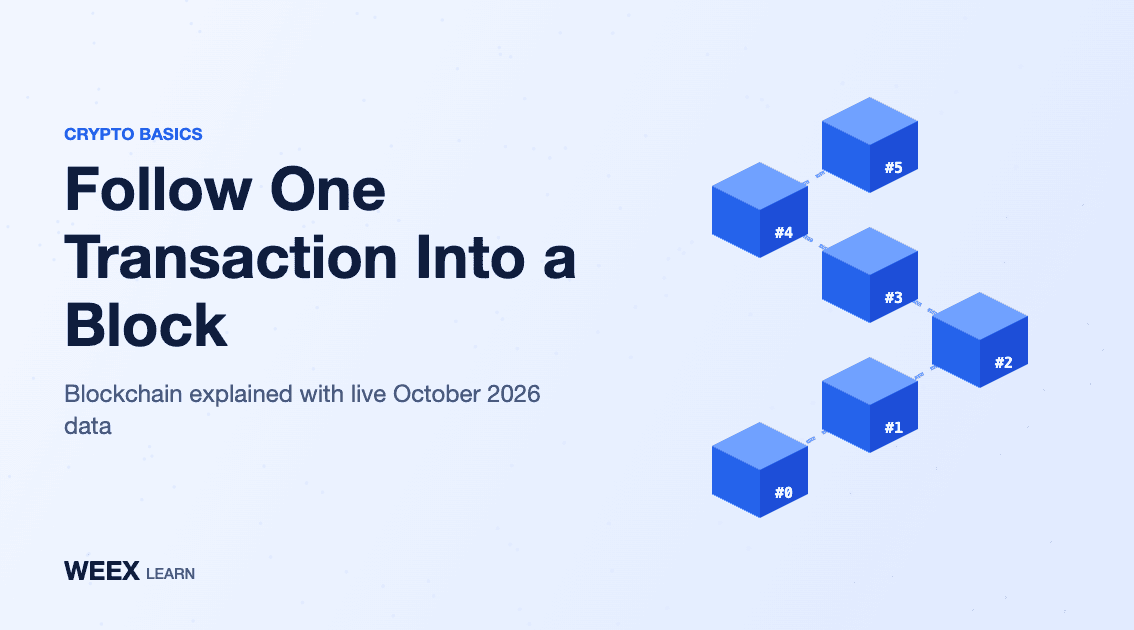
2. Blockchain Structure
Polymarket runs on Polygon, a scaling network connected to Ethereum, and uses USDC for trading. This setup allows:

Transparent transactions that anyone can verify on-chainFull control of funds through personal crypto walletsPermanent records that can’t be changed

At the same time, users are responsible for their own security. Losing access to a wallet or getting hacked usually means the funds are gone for good.

3. Time-Based Markets
Markets have different timeframes, from as short as 5 minutes to as long as a year. Short-term markets (like 5–15 minutes) tend to move quickly and carry higher risk.

4. Market Resolution
Polymarket uses UMA’s optimistic oracle to settle markets. Someone proposes the result and puts up a bond (around 750 USDC). There’s then a short window (about 2 hours) where others can challenge it. If no one disputes, the result is accepted and winning shares pay $1.00. If there is a dispute, UMA token holders vote to decide the final outcome.

Polymarket Fees Breakdown

Polymarket charges minimal fees, primarily to cover transaction costs and incentivize liquidity providers:

Fee TypeAmountNotesTrading fees$0No fees for buying/selling sharesDeposit fee$3 or 0.3% (whichever is higher)Plus network gas feesWithdrawal feeNetwork gas fees onlyVaries by network congestionLiquidity provider rewardsPaid from transaction feesIncentivizes liquidity

Polymarket does not charge additional market fees, making it more cost-effective than many traditional and decentralized competitors.

How Is This Different From Normal Betting?

Polymarket is closer to a financial market than a typical gambling site. In normal sports betting, a bookmaker sets the odds with a built-in house advantage. On Polymarket, the price of each outcome is mostly determined by what other users are willing to pay.

Prediction markets aggregate information from a large number of people. When many users risk money on an outcome, the market price serves as a rough estimate of probability. If "Yes" shares cost $0.70, the market is roughly saying there is a 70% chance the event will happen.

Polymarket Funding, Valuation, and Growth

Polymarket has attracted major investment:

DateEventDetailsOctober 2025$2B investment from ICE$9B valuationJanuary 2026Secondary valuation~$11.6BMarch 2026Early funding talks~$20B valuation

Sports markets have become especially important, making up about 39% of trading activity. The 2026 Super Bowl produced approximately $795 million in volume across related markets.

How to Trade Prediction Market-Related Tokens on WEEX

While Polymarket itself does not have a native token, traders can gain exposure to the prediction market and blockchain infrastructure sectors on WEEX.

Step‑by‑step to trade on WEEX:

Sign up for a WEEX account (email or phone)Complete KYC verificationDeposit USDT into your WEEX walletGo to the spot market and search for tokens like POL/USDT (Polygon) or other infrastructure projectsEnter the amount and click Buy

WEEX offers low fees, deep liquidity, and advanced trading tools including futures and grid trading bots.

Conclusion 

Polymarket has established itself as the leading decentralized prediction market, offering transparent, peer-to-peer trading on real-world events. With its 2026 fee model shift, December 2025 CFTC approval for US re-entry, and significant valuation growth, Polymarket continues to evolve. While risks remain – including smart contract vulnerabilities and wallet security – the platform has built a strong track record.

Ready to gain exposure to the prediction market sector? Sign up on WEEX today. Trade POL/USDT and other blockchain infrastructure tokens with low fees and deep liquidity.

Frequently Asked Questions (FAQ)

Q1: What is Polymarket?
Polymarket is a decentralized prediction market platform where users trade shares on real-world event outcomes using USDC on the Polygon blockchain.

Q2: Did Polymarket get CFTC approval?
Yes. In December 2025, Polymarket received CFTC approval to re-enter the US market through a regulated Designated Contract Market structure.

Q3: How does Polymarket make money?
In 2026, Polymarket shifted to a fee-based revenue model. Users also pay bid-ask spreads and blockchain gas fees.

Q4: Is Polymarket safe to use?
Polymarket has a track record of honoring outcomes and payouts. However, risks include smart contract bugs, wallet security, and regulatory changes.

Q5: How can I invest in prediction markets on WEEX?
Trade POL/USDT (Polygon) and other blockchain infrastructure tokens on WEEX to gain exposure to the sector.

Risk Disclaimer: This article is for informational purposes only and does not constitute financial advice. Prediction markets involve significant risk, including market volatility, potential loss of invested funds, regulatory changes, and smart contract vulnerabilities. Past performance does not guarantee future results. Always conduct your own research (DYOR) before making any investment decisions. WEEX does not endorse any specific project or platform. Trade responsibly.


iconiconiconiconiconiconicon
Customer Support:@weikecs
Business Cooperation:@weikecs
Quant Trading & MM:bd@weex.com
VIP Program:support@weex.com